

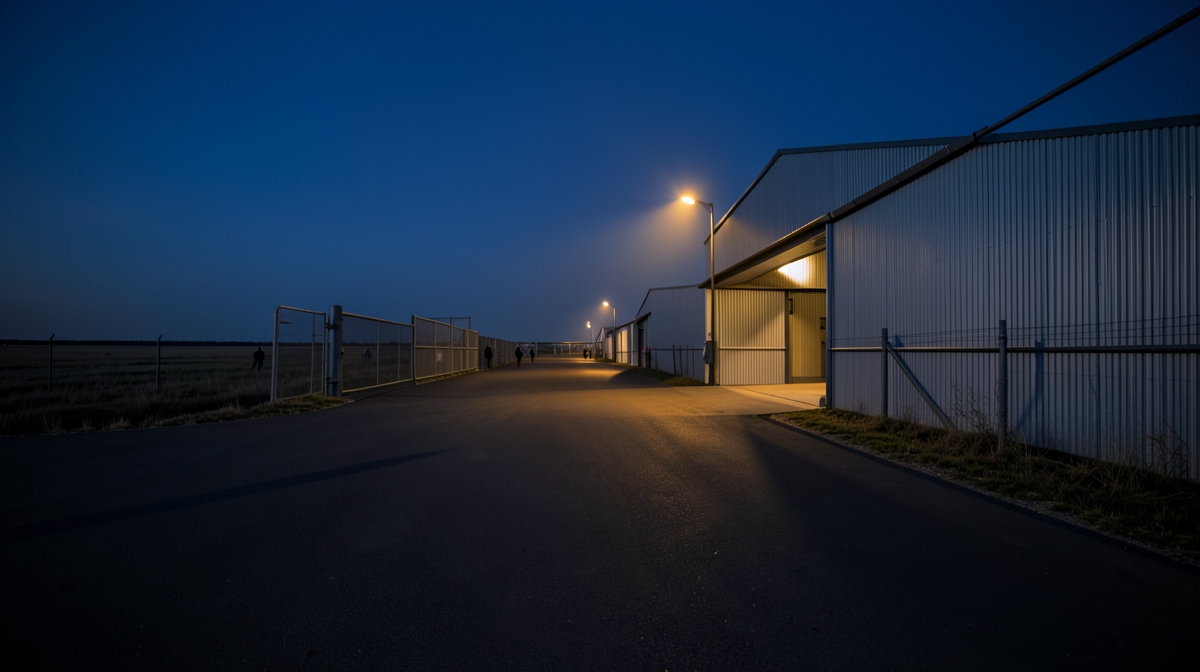
A deadly fire at Canadian Forces Base Wainwright in Alberta has left several people dead and others injured, according to reporting by The New York Times. Defence Minister David McGuinty confirmed the casualties following what the prime minister termed a serious incident. Military officials sealed the perimeter immediately while refusing to release preliminary details regarding the origin of the blaze.
Key Takeaways
- A fatal fire at Canadian Forces Base Wainwright in Alberta caused multiple casualties.
- Defence Minister David McGuinty confirmed people were killed and injured during the event.
- The Canadian prime minister classified the occurrence as a serious incident.
- Base officials withheld specific details regarding the initial cause of the blaze.
What Happened at Canadian Forces Base Wainwright?
The lethal fire broke out directly inside Canadian Forces Base Wainwright, an army installation situated in Alberta. Defence Minister David McGuinty reported that the event produced casualties, confirming that people died and sustained injuries. Authorities contained the blaze while keeping specific operational details strictly confidential during initial response actions.
BBC News reported that the Canadian prime minister described the event as a serious incident shortly after emergency teams mobilised. First responders worked to secure damaged structures across the installation. Military personnel established security cordons around affected zones to protect surviving staff and preserve physical evidence across the immediate fire perimeter.
Neither defense representatives nor installation commanders offered public explanations regarding potential fuel sources or structural failures. In our experience, defense departments restrict operational updates during fatal events to ensure proper notification of kin. Why do military installations face such severe operational hazards during routine domestic stationing?
- Monitor Ministry Briefings: Check official defense department press bulletins for verified updates on casualty identities and structural assessments.
How Do Military Protocols Respond to Lethal Incidents?
Military protocols enforce immediate physical isolation of the incident zone, rapid medical evacuation for survivors, and complete message control through defense headquarters. When lethal events strike armed forces installations, command chains transfer communication authority to federal ministers. This hierarchy prevents unverified speculation while specialist units inspect structural damage and secure perimeter perimeters.
Federal authorities follow rigid verification sequences before releasing casualty figures or assigning initial blame. You see this defensive posture in almost every peacetime defense casualty event. Commanders must verify personnel rosters, notify immediate families through designated liaison officers, and prevent contradictory narratives from compromising upcoming independent inquiries.
- Verify Safety Dispatches: Rely strictly on formal defense agency channels rather than unvetted social media reports during ongoing casualty operations.
What Comes Next for the Wainwright Investigation?
Investigative teams from the military police and national fire authorities must secure the site to determine whether technical defects, human error, or industrial accidents sparked the blaze. Investigators examine heat patterns, fuel lines, and maintenance logs. Their formal inquiry produces technical safety recommendations to safeguard other domestic military garrisons against similar failures.
A comprehensive defense inquiry requires months to reconstruct physical timelines and test material residues from the blaze. Civilian oversight panels and parliamentary committees often demand full transparency when service members or base workers perish. How will defense leaders balance operational security with public transparency as the inquiry unfolds?
Independent review boards eventually evaluate whether base emergency response equipment functioned properly during the containment phase. Until investigators publish their formal findings, defense leadership must address immediate infrastructure risks across Alberta facilities.
- Track Policy Revisions: Review parliamentary defense committee schedules to see when ministers present initial findings from the Wainwright inquiry.
FAQ
Where did the military base fire take place?
The deadly fire occurred at Canadian Forces Base Wainwright, a major military training installation situated in the province of Alberta. The facility supports army training exercises across expansive terrain. Emergency crews tackled the blaze directly on site while national defense leadership monitored the situation from Ottawa.
Who confirmed the casualties from the Wainwright incident?
Defence Minister David McGuinty publicly verified that individuals were killed and injured during the fire, as reported by The New York Times. In addition, the Canadian prime minister characterised the situation as a serious incident while military officials withheld specific identities pending notification of affected family members.
Has the Canadian military identified the cause of the fire?
Officials have not yet determined or announced the cause of the fire at Wainwright. Military spokespersons declined to provide technical details in the initial aftermath. Formal investigative units continue examining the physical site to establish whether mechanical failure, electrical malfunction, or other accidental factors ignited the blaze.
Defense installations demand extraordinary caution because military sites house complex equipment, fuels, and training structures. The tragedy at Base Wainwright demonstrates the acute risks associated with operating defense infrastructure during peacetime. Observers and military families now await detailed investigative results from federal authorities in Alberta.
Stay informed with accurate, up-to-date global news coverage.
Sources
- Deadly ‘Incident’ at Canadian Forces Base Wainwright Sparks Fire (NYT > World News): https://www.nytimes.com/2026/10/17/world/canada/fire-canadian-army-base-wainwright.html