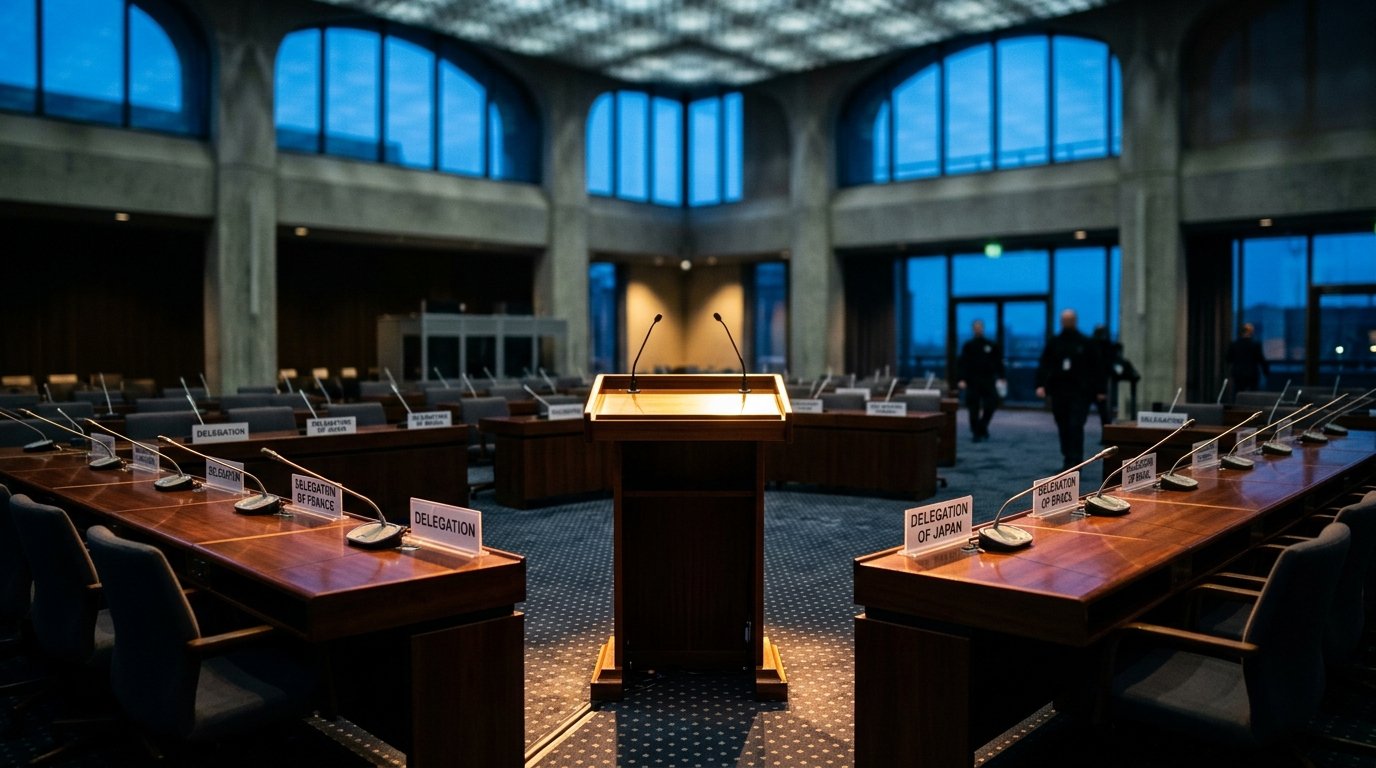


Congressional action on artificial intelligence safety has hit a wall in Washington. Political resistance and legislative division now prevent federal oversight bills from advancing despite rising pressure from safety advocates.
Key Takeaways
- Lawmakers remain sharply divided over whether to impose safety limits on rapid artificial intelligence growth.
- Former President Donald Trump opposes new federal restrictions on artificial intelligence development.
- Public opinion in Washington shows split views between alarm over systemic threats and enthusiasm for technical progress.
- Federal safety legislation is unlikely to pass Congress in the immediate future.
Why Is Federal AI Legislation Stalled in Congress?
Federal artificial intelligence legislation remains blocked because deep political divisions in Congress prevent lawmakers from building a governing majority. Donald Trump strongly opposes new safety rules, which consolidates opposition among congressional allies and halts legislative progress. Without bipartisan consensus on how to rein in software models, regulatory bills cannot secure floor votes in either chamber.
BBC News reported that growing public pressure has failed to break the current legislative stalemate on Capitol Hill. Lawmakers continue to disagree on whether mandatory safety evaluations would protect consumers or harm domestic technology leadership.
- Track congressional hearings: Monitor committee schedules to see if draft safety measures reach a formal markup.
How Does Public Debate Shape the Impasse?
Public debate reflects sharp disagreement between those who view rapid software development as an existential hazard and those who view it as a major benefit. Interviews conducted by BBC News in Washington DC revealed contrasting perspectives, with citizens describing the rapid expansion of machine intelligence as either alarming or remarkable.
Experts warn that unmonitored systems create significant hazards for society, but commercial competition discourages unilateral limits. When voters and technology leaders express opposing views on safety guardrails, legislators often delay statutory decisions.
- Review public sentiment: Follow local community discussions to measure shifting attitudes toward artificial intelligence risks.
What Are the Immediate Prospects for National Safety Standards?
National safety standards face dim prospects for approval anytime soon due to entrenched political resistance. With congressional leadership deadlocked and key political figures opposing mandatory restrictions, technology companies operate under existing voluntary commitments rather than binding federal mandates. This leaves regulatory authority fragmented across state governments and independent agencies.
BBC News noted that the lack of legislative momentum extends across multiple proposed safeguards. Unless lawmakers forge a compromise between safety standards and technical growth, federal action will remain suspended for the foreseeable future.
- Monitor agency actions: Observe individual regulatory agencies for administrative guidance issued without new statutory authority.
FAQ
Is Congress expected to pass an AI safety bill soon?
Congress is unlikely to pass comprehensive safety legislation anytime soon. Sharp partisan splits and direct opposition from political leaders like Donald Trump have created a persistent deadlock, preventing regulatory measures from securing the votes needed for passage.
Why do some leaders oppose federal safety rules?
Opponents argue that mandatory safety rules create burdensome compliance hurdles that slow down domestic technical progress. They maintain that restrictive standards could handicap companies competing against global rivals who operate without comparable constraints.
What concerns are experts raising about rapid AI development?
Experts warn that unchecked artificial intelligence development creates severe safety risks for society, ranging from automated misuse to unpredictable model behaviors. These warnings have prompted repeated calls for statutory safeguards and oversight.
Federal oversight of artificial intelligence will remain constrained by legislative inaction until lawmakers find common ground. As technological capabilities advance faster than statutory policy, the debate over risk management and innovation will define future congressional battles.
Stay informed with accurate, up-to-date global news coverage.
Sources
- AI regulation faces political deadlock as calls grow for Congress to act (BBC News): https://www.bbc.co.uk/news/articles/ck20989806e9o?at_medium=RSS&at_campaign=rss