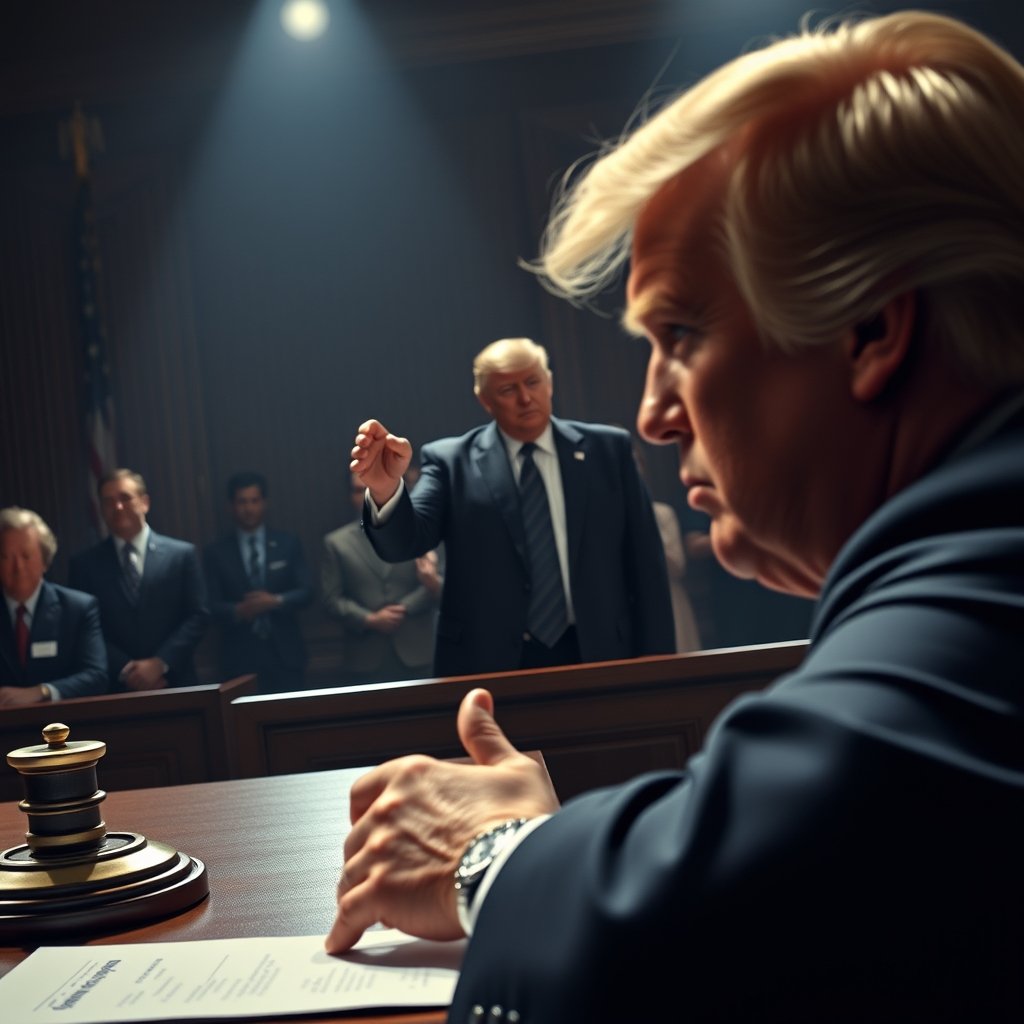
A federal judge has officially dismissed Donald Trump's defamation lawsuit against the Wall Street Journal, as reported by BBC News. The legal battle centered on the newspaper's publication of a birthday book message allegedly written and signed by Trump for Jeffrey Epstein. This dismissal ends a high-profile attempt to hold the news outlet legally liable for reporting on the controversial document.
Key Takeaways
- A judge dismissed Donald Trump's lawsuit against the Wall Street Journal over an Epstein birthday letter.
- The claim focused on a commemorative note published by the newspaper bearing Trump's signature.
- BBC News reported the dismissal, confirming courts maintain strong protections for reporting on public controversies.
Why Did the Court Dismiss the Defamation Lawsuit?
The court dismissed the legal challenge because the publication failed to meet the strict legal standard required for defamation against public figures. Judges require clear evidence of intentional falsehood or reckless disregard for the truth before penalizing journalists, a hurdle this complaint could not clear.
Public officials face an exceptionally high standard in American defamation law. When reporting on prominent political figures, news organisations retain broad constitutional latitude unless a plaintiff proves the reporters knowingly published falsehoods. In our experience, lawsuits targeting mainstream news reporting frequently stumble on these evidentiary protections.
- Monitor legal filings: Track primary judicial dockets directly through court databases to verify the specific grounds judges use when dismissing high-profile defamation claims.
How Did the Epstein Birthday Letter Dispute Arise?
The dispute began after the Wall Street Journal reported on a commemorative birthday book compiled for Jeffrey Epstein, which included a warm greeting purportedly signed by Donald Trump. Trump contested the authenticity of the note and subsequently filed suit against the newspaper, claiming the published report caused unwarranted reputational harm.
Publishing records connected to controversial public figures often triggers fierce pushback from political camps. When relying on archival documents, editorial teams require strict physical verification and background reporting before publication. Establishing that procedural baseline allows newsrooms to demonstrate due diligence and successfully rebuff legal challenges in court.
- Evaluate news sources: Compare multi-outlet reporting whenever controversial letters or archival documents emerge in major public controversies.
What Does This Ruling Signal for Press Protections?
This ruling reinforces the durable legal shield that protects investigative reporting on public figures across the United States. By dismissing the case, the court confirmed that public officials cannot easily penalize publishers for reporting on documents of clear public interest, preserving space for open civic discourse.
Judicial independence remains a vital guardrail against attempts to suppress news coverage. In a related action highlighting judicial boundaries, BBC News reported that a judge separately ordered the Trump administration to stop sending threatening letters to local election officials. Both decisions demonstrate courts actively preventing executive overreach against civic institutions.
- Track judicial precedents: Review legal rulings on press freedom to understand how defamation standards govern the release of historical records.
FAQ
What was the core accusation in the lawsuit?
Donald Trump sued the Wall Street Journal after the newspaper published an article describing a letter to Jeffrey Epstein. The story reported that Trump purportedly wrote and signed the note inside a celebratory birthday book, a claim Trump disputed in court before the judge dismissed the suit.
Who reported the dismissal of Trump's case?
BBC News reported the court decision, confirming that the presiding judge threw out the lawsuit filed against the Wall Street Journal. The outlet confirmed the dismissal terminated the legal challenge regarding the publication of the disputed birthday book letter without advancing to a full trial.
Why are defamation suits by public figures hard to win?
Public officials must prove actual malice, meaning the publisher either knew the material was false or acted with reckless disregard for its accuracy. Because investigative news outlets gather documentation before publishing, meeting this rigorous threshold remains exceptionally rare in federal court proceedings.
Courts continue to draw firm boundaries when adjudicating conflicts between prominent politicians and the press. As legal challenges over political coverage unfold, judicial oversight ensures newsrooms can publish investigative records on matters of widespread civic importance without intimidation.
Stay informed with accurate, up-to-date global news coverage.
Sources
- Judge dismisses Trump's lawsuit against Wall Street Journal over Epstein birthday book (BBC News): https://www.bbc.co.uk/news/articles/cwr5yj2lj9myo?at_medium=RSS&at_campaign=rss