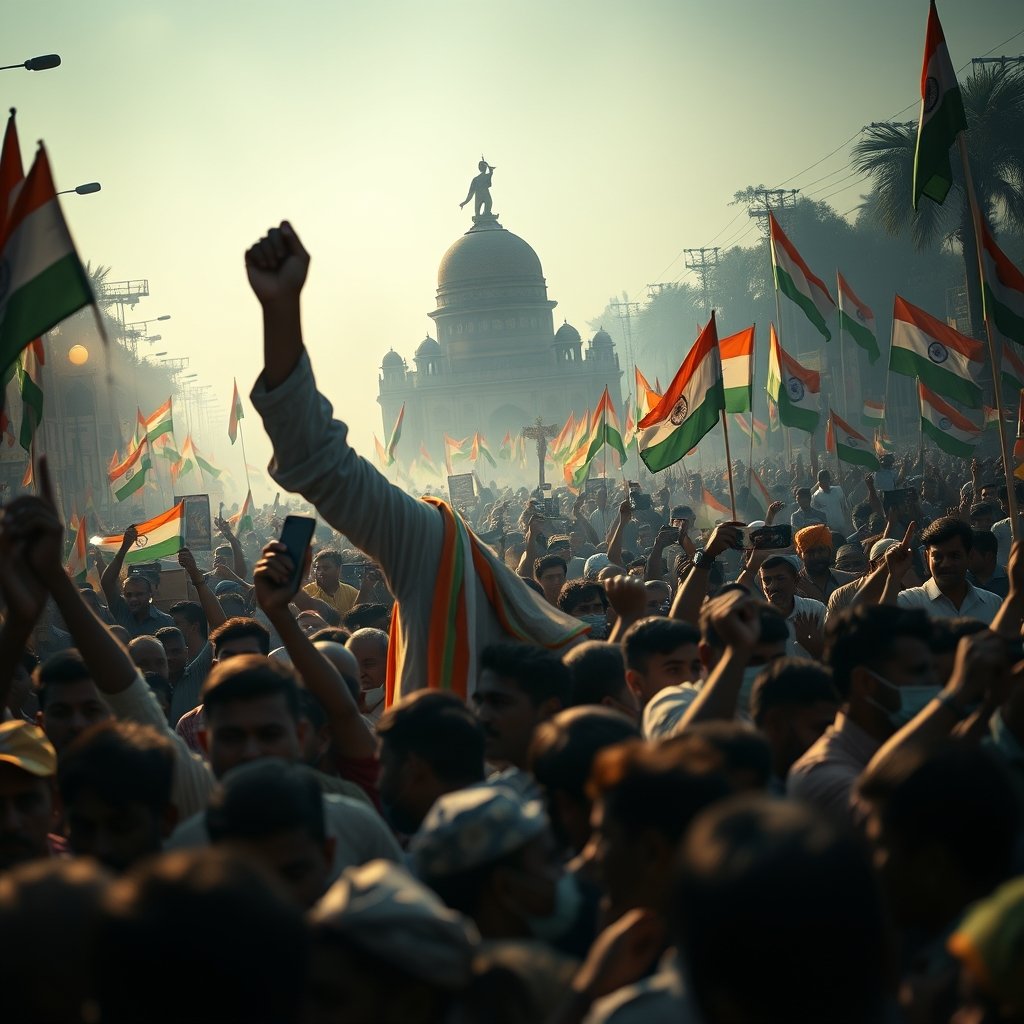
Opposition leaders across India are preparing a major protest demonstration to demand the immediate resignation of the nation's election chief. The confrontation stems from a contentious audit of official voter registries across the country. According to BBC News, the administrative revision exercise risks stripping an estimated 130 million voters from active rolls before upcoming elections.
Key Takeaways
- Opposition parties are organizing a nationwide rally to demand the immediate resignation of India's election chief.
- A sweeping voter roll revision threatens to exclude roughly 130 million citizens, according to BBC News.
- Civil society protests focus on systemic risks to democratic participation and electoral transparency.
Why are opposition parties seeking the election chief's immediate resignation?
India's political opposition demands the election chief step down because they believe the current voter roll revision systematically undermines public trust. Political leaders argue that administrative incompetence and potential bias threaten the credibility of upcoming ballots. By staging a massive rally, organizers want to halt the removal process and compel independent oversight of all voter registries.
Public backlash erupted after election authorities initiated a fast-track verification effort that caught civic groups unprepared. When registration offices update records without adequate public notice, administrative errors multiply rapidly. In our experience, large bureaucratic purges often target transient workers and marginalized communities who lack updated identity documents, stripping their voting access without any realistic pathway to appeal before polling day.
- Citizen vigilance: Review local voter registration portals immediately to verify that your active status remains intact ahead of election deadlines.
How could 130 million voters lose their registration status?
The projected loss of 130 million voters stems from rapid automated list cleaning and unverified residency cross-checks. Administrative authorities routinely cross-reference census records, utility data, and physical addresses to purge duplicate or deceased entries. However, faulty automated matching algorithms and incomplete door-to-door validation inevitably flag millions of legitimate citizens as inactive or permanently relocated.
According to details reported by BBC News, this specific revision exercise could remove 130 million voters if documentation criteria remain overly rigid. When field officers conduct rapid door-to-door audits during work hours, empty residences get classified as abandoned. The resulting clerical errors remove eligible residents from neighborhood rosters, preventing them from casting ballots when they arrive at local polling stations.
- Document verification: Keep physical duplicates of current utility statements and national identity credentials ready for official electoral verification drives.
What does this dispute mean for the integrity of upcoming elections?
Widespread disputes over registry accuracy jeopardize the democratic legitimacy of subsequent election results across the entire nation. When millions of eligible voters suspect bureaucratic exclusion, public confidence in official outcomes collapses. Electoral authorities must maintain unquestioned neutrality, because even minor perceptions of institutional bias can cause prolonged civic instability and contested election victories.
Mass mobilizations and public demonstrations serve as the primary political tool for challenging contested administrative decisions. If thousands of protesters gather in public squares, their collective presence forces legislative bodies to scrutinize election management practices. Independent observers argue that transparent electoral rolls represent the foundational bedrock of any constitutional democracy, requiring public audits rather than closed-door clerical decisions.
- Civil oversight: Support nonpartisan polling observers who monitor precinct registration lists and document improper voter exclusions.
FAQ
What triggered the opposition rally against India's election chief?
Opposition factions organized the demonstration to protest a voter roll revision that threatens widespread disenfranchisement. Leaders argue the election chief failed to ensure administrative fairness, prompting direct demands for an immediate resignation and an independent audit of all registries before scheduled national polling takes place.
How did the figure of 130 million excluded voters emerge?
BBC News reported that ongoing revisions could potentially leave 130 million voters off active rolls. This figure reflects concerns raised by civic analysts regarding aggressive list-cleaning initiatives that eliminate individuals who miss short re-verification deadlines or face clerical discrepancies during documentation audits.
Can citizens contest their removal from an electoral roll?
Voters typically retain the right to submit restoration petitions with local election offices by supplying valid proof of residence and identity. However, tight procedural deadlines and backlogged local election offices make mass reinstatement difficult once official lists receive final certification before an election.
Electoral integrity relies on administrative transparency and universal access to the ballot box. When voter roll audits risk disenfranchising citizens on an unprecedented scale, public demonstrations become essential democratic safeguards to hold state institutions accountable.
Stay informed with accurate, up-to-date global news coverage.
Sources
- India's opposition set to hold mega rally seeking election chief's resignation (BBC News): https://www.bbc.co.uk/news/articles/c60qk92dvlwgo?at_medium=RSS&at_campaign=rss