
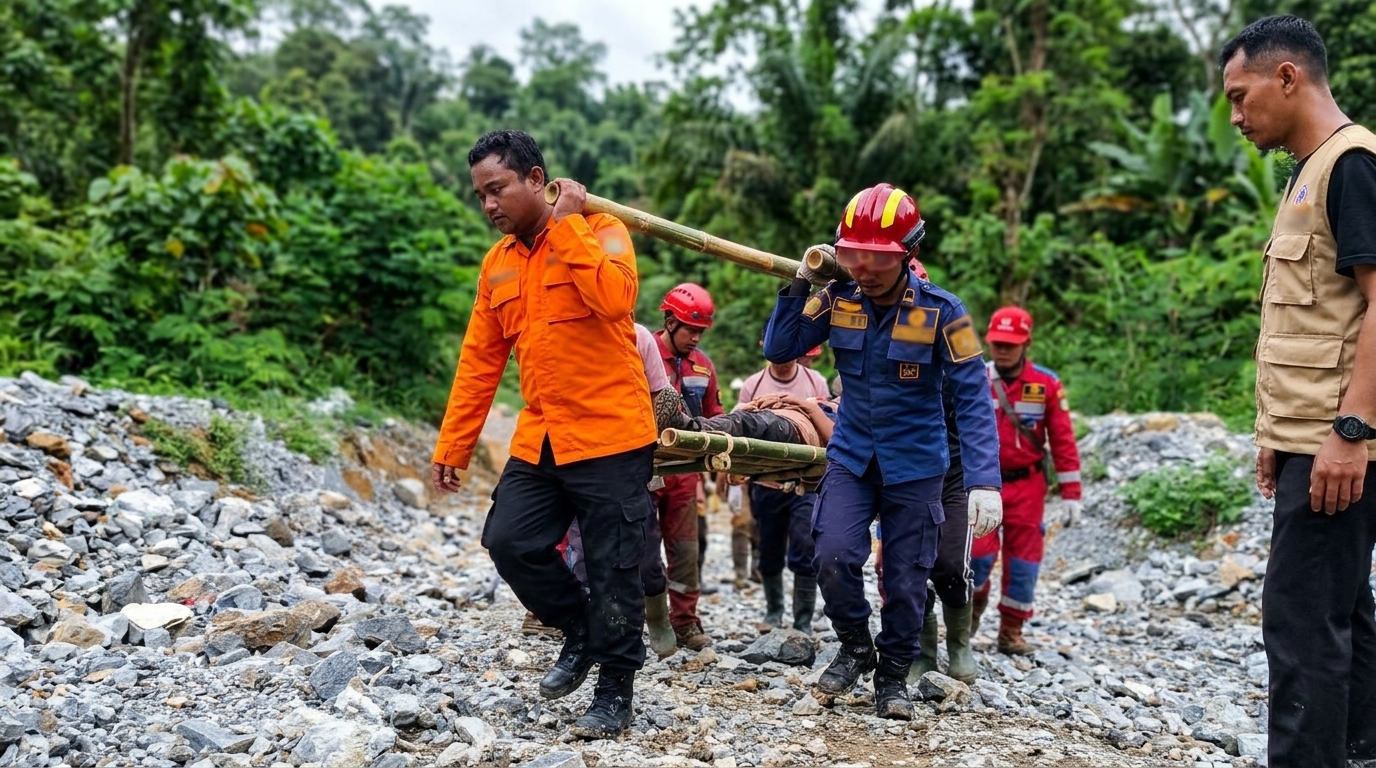
At least 13 miners died and another 13 remain missing after torrential flooding submerged an unlicensed gold mine in Indonesia on Monday. Emergency teams face extreme peril as rising water levels trap laborers inside unstable, unpermitted subterranean shafts. BBC News reported the casualty count after regional officials confirmed the disaster.
Key Takeaways
- Sudden flooding killed 13 workers and left 13 others missing inside an illegal Indonesian gold mine on Monday.
- Search efforts face severe delays due to water-filled tunnels, unstable soil structures, and absence of formal mine plans.
- Unregulated mining operations lack basic water pumps, structural supports, and safety oversight, multiplying lethal cave-in risks.
What Triggered the Deadly Inundation Underground?
Unregulated excavation weakens surrounding subterranean ground, allowing sudden surface water surges to breach unreinforced pits during downpours. In this disaster, water inundated the underground mine on Monday, leaving workers trapped within minutes. Torrential water easily overcomes hand-dug barriers, filling shafts before vulnerable laborers can reach safety.
Informal extraction sites rarely possess heavy drainage pumps or reinforced timber linings. When water breaches the entry portal, hydrostatic pressure destabilizes internal earthen walls, causing simultaneous cave-ins and immediate oxygen deprivation throughout deep recesses.
- Safety monitoring check: Review whether your organization relies on mineral supply chains verified by third-party safety audits.
Why Are Emergency Search Operations So Dangerous?
Emergency responders face catastrophic cave-in risks because illegal tunnels lack engineering maps, structural shoring, and stable entry routes. Indonesian authorities reported that 13 people remain missing beneath flooded rubble. Rescuers must manually drain hundreds of gallons of toxic slurry while traversing narrow crevices that could collapse under shifting mud.
Submerged mine shafts quickly become oxygen-depleted traps saturated with hazardous gases. Without mechanical ventilation or emergency escape shafts, rescue crews cannot deploy standard diving gear. Teams must stabilize crumbling soil footings before clearing sediment to search for remaining survivors.
- Risk assessment audit: Require local industrial contractors to maintain certified mine ventilation plans before starting earthworks.
How Do Informal Operations Bypass Basic Safety Protocols?
Informal mining operations sidestep regional regulations by functioning in remote pockets without formal environmental permits or state oversight. Operators cut operating expenses by skipping reinforced scaffolding, worker emergency training, and routine geotechnical inspections. These compromises leave casual laborers completely unprotected against catastrophic water ingress and geological failures.
High global precious metal valuations push vulnerable communities into dangerous freelance digging without protective gear. When accidents happen, operators disappear, leaving local emergency units and public authorities to handle casualty recovery without any operational records or worker rosters.
- Regulatory compliance review: Track independent regional vendor certifications to ensure raw materials come from licensed operations.
FAQ
How many victims were affected by the Indonesian mine flood?
Indonesian authorities confirmed that 13 miners died during the incident and another 13 remain missing underground, according to BBC News reporting. The catastrophic flooding took place on Monday, trapping laborers inside unpermitted shafts before emergency evacuation crews could arrive at the remote site.
Why are illegal gold mines prone to sudden collapses?
Informal pits lack engineered shoring, proper rock mechanics analysis, and reliable dewatering equipment. When sudden rainstorms or underground water pockets break into these primitive shafts, the soft surrounding earth loses cohesion rapidly. Tunnels collapse under water pressure, sealing entrances and preventing trapped miners from escaping.
What complicates rescue efforts at unpermitted mining sites?
Rescuers cannot rely on architectural blueprints or geological assessments when approaching illegal mine cavities. Deep floodwaters, shifting mud, and toxic gas buildup create severe hazards for search personnel. Emergency crews must pump out stagnant water and brace sagging tunnels before they can safely enter.
Preventing future underground mining tragedies requires strict enforcement of labor protections and environmental licensing across remote resource zones. Clear accountability mechanisms and improved economic alternatives will protect vulnerable workers from perilous artisanal digging.
Stay informed with accurate, up-to-date global news coverage.
Sources
- Thirteen dead as mine disaster highlights illegal hunt for gold (BBC News): https://www.bbc.co.uk/news/articles/cmde1zr0nlyro?at_medium=RSS&at_campaign=rss