
A French tribunal has formally recognized former Air France stewardess Sophie Lainault as suffering from an occupational disease due to occupational cosmic radiation exposure. The ruling establishes a legal precedent for aviation staff fighting long-term health impacts from high-altitude career paths.
Key Takeaways
- Sophie Lainault won a French court ruling recognizing her breast cancer as an occupational disease.
- The case highlights cumulative cosmic radiation risks for frequent high-altitude flight crew members.
- Legal experts expect further compensation claims across the European aviation sector following this decision.
What Radiation Risks Do Flight Crews Face?
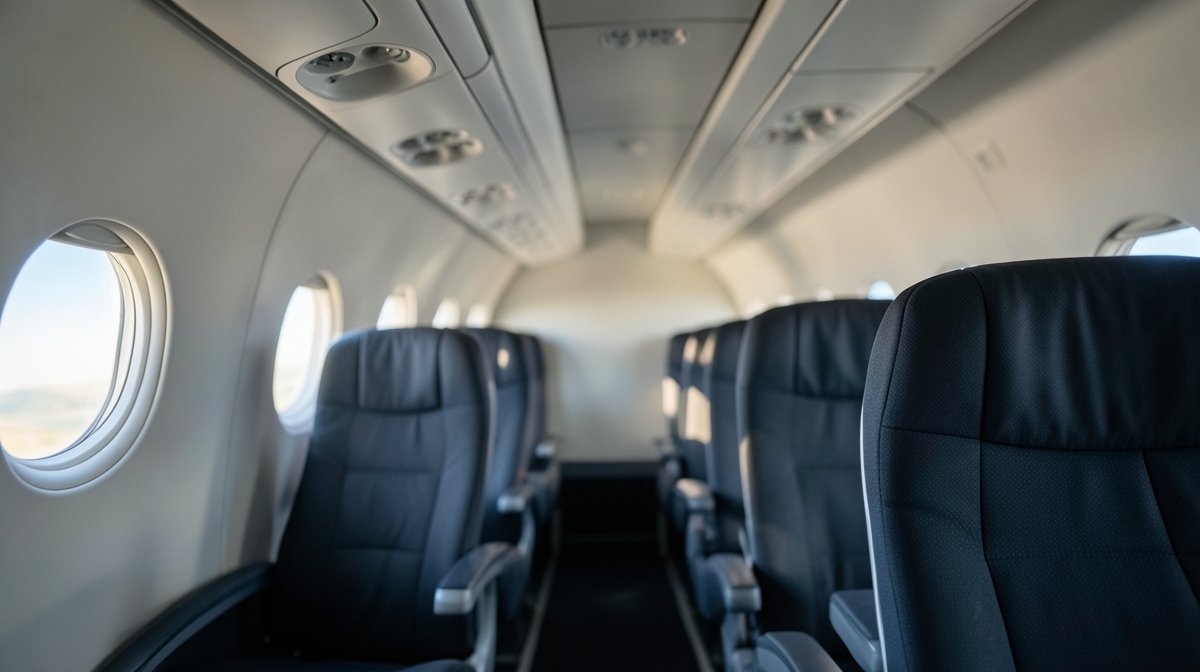
Aviation workers face elevated cosmic radiation levels during high-altitude flights because Earth's atmosphere thins significantly at cruising altitudes. High-energy particles from deep space penetrate aircraft hulls, exposing cabin staff to doses that exceed standard public safety limits over decades of service. Sophie Lainault logged thousands of hours over a twenty-year career, accumulating radiation exposure that medical experts linked directly to her cancer diagnosis.
- Watch for: European airlines reviewing internal radiation tracking data for long-haul crews.
How Did the Legal Battle Unfold?
French labor courts reviewed extensive occupational health records and independent dosimetry reports before issuing the landmark ruling. Air France initially contested the direct link between cockpit radiation and malignant tumors, citing numerous confounding lifestyle factors. However, scientific testimony proved that cumulative annual doses surpassed regulatory thresholds for industrial radiation workers, compelling the tribunal to rule in favor of the former stewardess.
- Do this: Check national compensation guidelines if you work in high-exposure transport sectors.
What Does This Ruling Change for Aviation Staff?
Airlines across Europe must now reassess how they monitor and limit cumulative radiation exposure for flight deck and cabin personnel. Carriers face potential liability increases if safety departments fail to rotate schedules or cap annual flight hours above thirty-five thousand feet. Trade unions are already demanding mandatory radiation badges for all long-haul employees to track exact dosage levels in real time.
- The move: Review collective bargaining agreements regarding occupational health protections in aviation.
FAQ
How much radiation do flight attendants actually receive?
Flight crews receive ionizing radiation from galactic cosmic rays and solar particle events. At typical cruising altitudes of thirty thousand to forty thousand feet, radiation dose rates are significantly higher than at sea level. Over a multi-decade career, this accumulates into substantial doses.
Can other transport workers claim occupational disease status?
Workers in specialized transport sectors can file claims if they prove occupational exposure exceeds statutory limits. Each national jurisdiction maintains specific tables of occupational illnesses that tribunals use to evaluate medical and workplace records.
Will this ruling force airlines to change flight routes?
Airlines already monitor polar routes where cosmic radiation is more intense due to Earth's magnetic field geometry. While carriers might adjust flight profiles during periods of high solar activity, altering standard global routes for radiation safety alone remains economically impractical.
The legal recognition of radiation hazards marks a turning point for occupational health standards in global aviation. As courts begin acknowledging invisible environmental risks, carriers must adapt their personnel management policies to protect crew longevity.
Stay informed with accurate, up-to-date global news coverage.