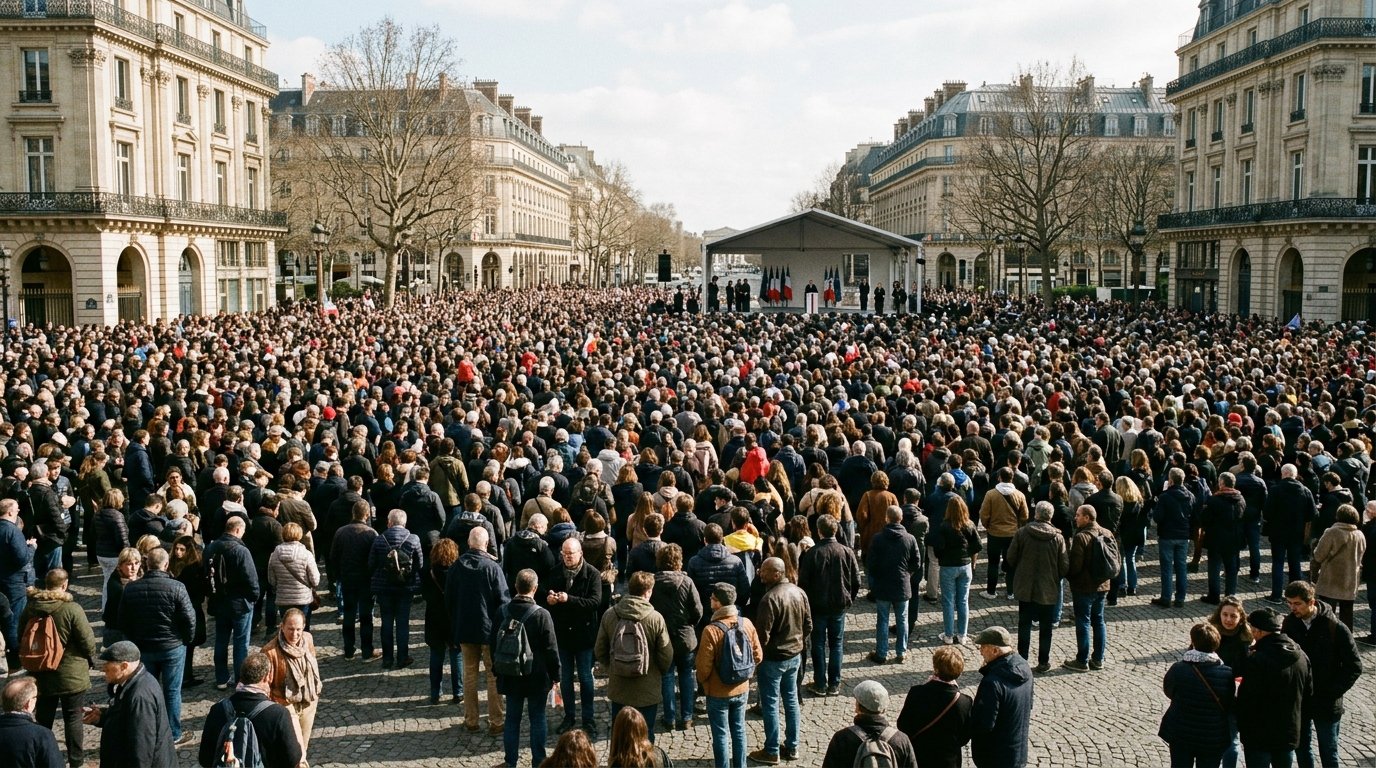

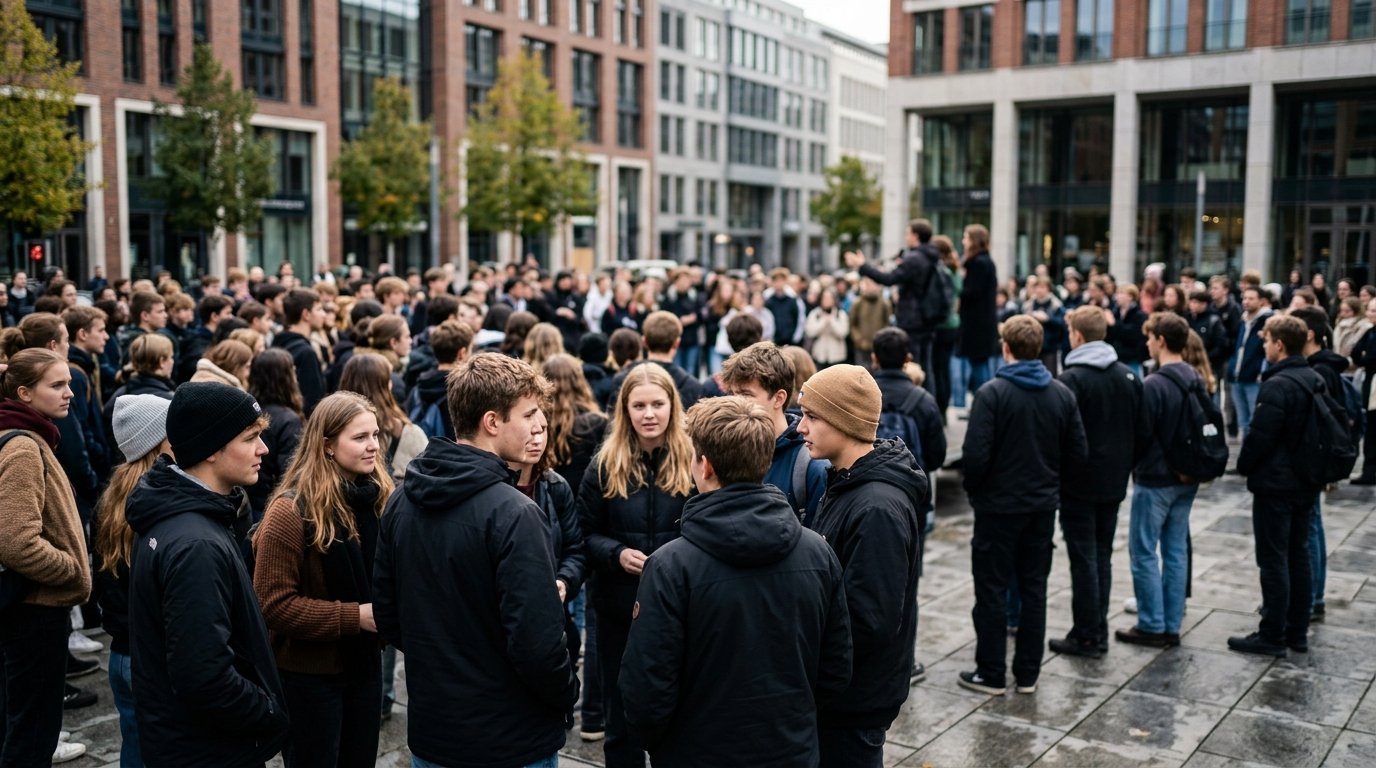
German students staged nationwide strikes after a new statute establishing voluntary military service took effect in January. Protesters walked out of classrooms to voice immediate opposition to defense recruitment policies. BBC News reported that demonstration organizers hold deep concerns that the current voluntary framework will quickly transition into mandatory conscription across the country.
Key Takeaways
- German students launched nationwide walkouts to protest a voluntary military service statute enacted in January.
- Demonstration organizers argue the new voluntary recruitment measures could eventually lead to compulsory military conscription.
- Wider public debate reflects growing political shifts as voters turn away from traditional political center parties.
Why Are German Students Striking Against Defense Policies?
German students walked out of schools because they fear voluntary military enrollment will inevitably lead to mandatory military conscription. Even though the legislation introduced in January focuses purely on voluntary participation, student organizers argue that expanding defense recruitment mechanisms sets a dangerous precedent for compulsory conscription policies in the near future.
The demonstrations spread across major German education centers following the implementation of the defense measure. Student groups coordinated their walkouts to signal their refusal to participate in expanding state military initiatives. BBC News reported that protest organizers actively dispute government assurances regarding the non-mandatory nature of the statute.
- Track policy changes: Review official education and defense ministry bulletins to monitor any proposed amendments to military enrollment laws.
How Does the January Statute Alter German Military Service?
The statute enacted in January establishes a formal framework for voluntary military service across Germany. Under this system, young people can choose to enlist in military duties on their own terms, giving the armed forces a structured channel to recruit new personnel without issuing mandatory call-up orders.
Civilian and student groups remain skeptical about the operational boundaries of this recruitment framework. Organizers worry that if voluntary recruitment targets fall short of defense goals, policymakers could amend the January statute into an obligatory draft. This friction highlights a deep divide between state security planning and youth sentiment.
- Monitor legislative debates: Follow parliamentary committee records on defense staffing levels to identify early signs of mandatory draft proposals.
What Broader Political Pressures Are Shaping the Debate?
Germany faces broader political friction as voters increasingly turn away from the political center amid persistent concerns over migration and economic conditions. BBC News reported that political leaders like Merz face significant hurdles gathering stable backing as the country grapples with core questions about its strategic identity and public policy.
Youth protests over military initiatives intersect directly with this shifting domestic mood. When traditional political consensus fractures, policy decisions on national defense and civic obligations trigger heightened resistance from young voters. The walkouts demonstrate how sensitive military policy remains within modern German political life.
- Observe civic actions: Attend student union assemblies and local community forums to understand how national policy impacts local youth initiatives.
FAQ
What triggered the student strikes across Germany?
Students went on strike to protest a military service law that took effect in January. While the current law establishes voluntary service, organizers organized walkouts because they fear defense authorities will eventually make military service compulsory for young citizens.
Is military service currently compulsory in Germany?
No, the statute implemented in January only establishes voluntary military service. However, protest organizers dispute whether the system will stay optional, warning that voluntary measures often serve as an initial step toward mandatory national conscription frameworks.
How does this protest connect to broader German politics?
The student demonstrations occur amid wider political fragmentation in Germany. As BBC News reported, voters are drifting away from centrist parties due to economic and migration concerns, intensifying public resistance to state defense recruitment efforts.
National debates over military service and civic obligations will continue to test German political stability in the coming months. Student organizers remain committed to resisting any further expansion of defense recruitment laws, ensuring that youth voices remain central to future policy discussions.
Stay informed with accurate, up-to-date global news coverage.
Sources
- Students strike across Germany in protest against military service (BBC News): https://www.bbc.co.uk/news/articles/cxnvlnve52qdo?at_medium=RSS&at_campaign=rss