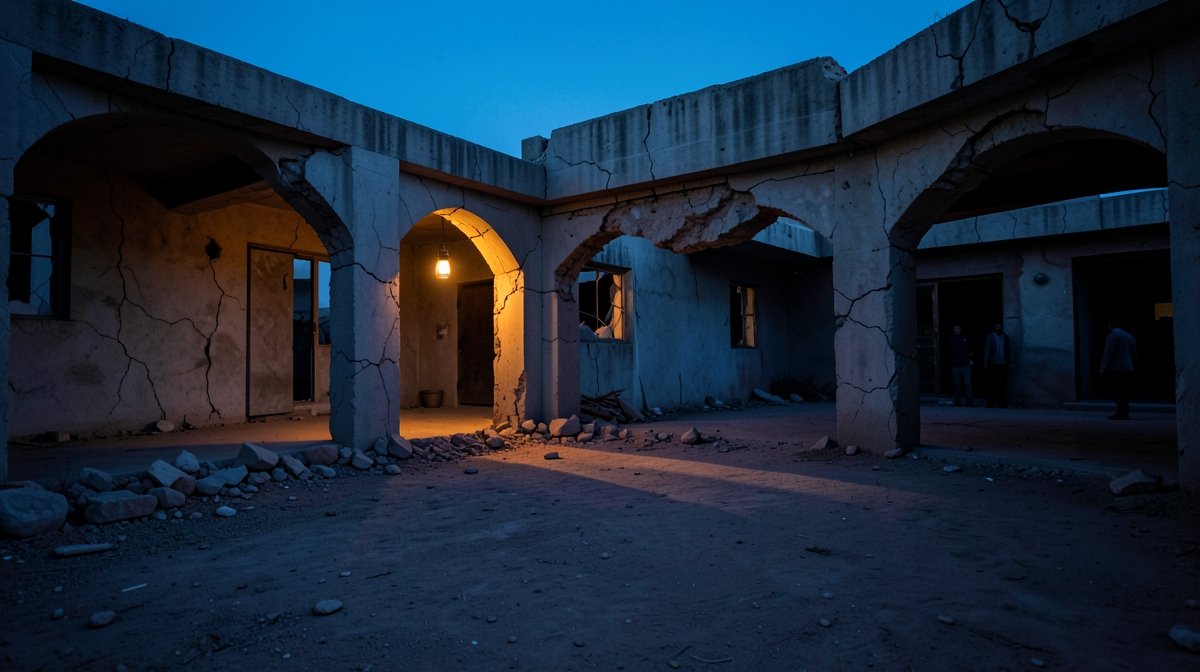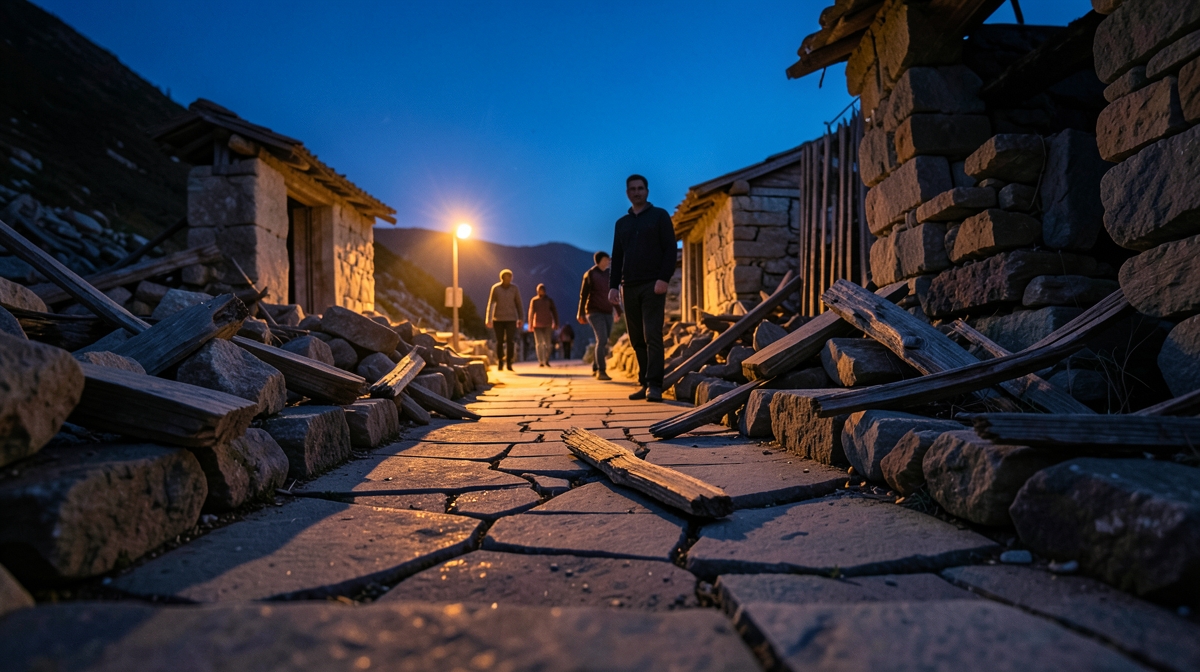
A powerful 7.0-magnitude earthquake struck Tibet, killing at least 16 people and injuring dozens more according to state media reports published by The New York Times on October 22, 2026. The violent tremors flattened more than 300 homes across the impacted region. Survivors escaped into freezing nighttime conditions as buildings collapsed around them.
Key Takeaways
- State media confirmed at least 16 fatalities and dozens of injuries following a 7.0-magnitude earthquake.
- Tremors collapsed more than 300 residences, driving survivors outdoors into freezing night air.
- Rapid emergency response focuses on shelter and treatment for dozens of injured community members.
What Caused the Severe Structural Destruction?
Severe structural failure occurred because shallow, high-magnitude seismic shock waves transfer intense horizontal energy directly into unreinforced domestic buildings. A magnitude 7.0 shock generates sudden ground acceleration that fractures load-bearing walls. When ground motion overcomes masonry shear strength, residential roofs drop immediately onto living spaces, leaving occupants virtually no warning.
Did the timing worsen the crisis? Rural construction often relies on heavy earthen brick and stone materials that crumble during violent shaking. Because the event hit during the night, families remained indoors when roofs gave way.
- Structural risk review: Evaluate traditional stone or unreinforced brick masonry structures for cross-bracing retrofits before seismic activity occurs.
How Are Survivors Coping With Freezing Night Conditions?
Displaced residents face life-threatening hypothermia because the earthquake destroyed over 300 residences during the freezing nighttime hours. Rapid loss of shelter exposes injured survivors to severe thermal stress. In our experience with cold-climate crises, preserving core body heat through communal insulation materials forms an immediate survival requirement alongside trauma care.
State media reported that dozens suffered injuries requiring medical triage. Emergency teams must stabilize bone fractures and crush wounds while setting up windproof thermal tents to prevent secondary shock in exposed survivors.
- Immediate cold protection: Assemble high-grade thermal blankets and insulated emergency tents immediately when sub-zero nighttime exposure threatens displaced survivors.
What Immediate Relief Priorities Follow the Disaster?
Immediate relief operations focus on treating dozens of injured residents, securing warm temporary quarters, and clearing unstable debris. Emergency medical teams prioritize severe shock, crush trauma, and internal bleeding. Local officials must rapidly mobilize specialized transport to extract casualties from damaged settlements across high-altitude roads.
Aftershocks frequently weaken surviving structures after a major 7.0 shock. In our experience, preventing secondary collapses requires sealing off cracked structures until qualified engineers finish thorough damage surveys.
- Zone safety inspection: Mark compromised walls with perimeter tape to stop families from re-entering partially collapsed buildings during aftershocks.
FAQ
How severe was the earthquake in Tibet?
The disaster measured magnitude 7.0, an intensity that generates catastrophic ground displacement. State media reports confirmed that the event flattened more than 300 homes, caused dozens of injuries, and killed at least 16 residents across affected areas.
Why did so many homes collapse during the tremor?
Strong seismic waves exerted lateral loads that rapidly exceeded the load limits of local masonry walls. When primary supports cracked under the magnitude 7.0 vibration, roofs collapsed inward, destroying more than 300 residences instantly.
What immediate danger do survivors face after the quake?
Displaced residents face life-threatening night cold alongside injuries. The destruction of homes forced families into freezing night air, making rapid deployment of thermal gear, field tents, and emergency medical treatment vital to save lives.
Emergency response teams continue rescue efforts across the impact zone to treat injured survivors and shelter displaced households. Stay informed with accurate, up-to-date global news coverage.
Sources
- Powerful Earthquake in Tibet Kills at Least 16 (NYT > World News): https://www.nytimes.com/2026/10/22/world/asia/earthquake-tibet-china.html