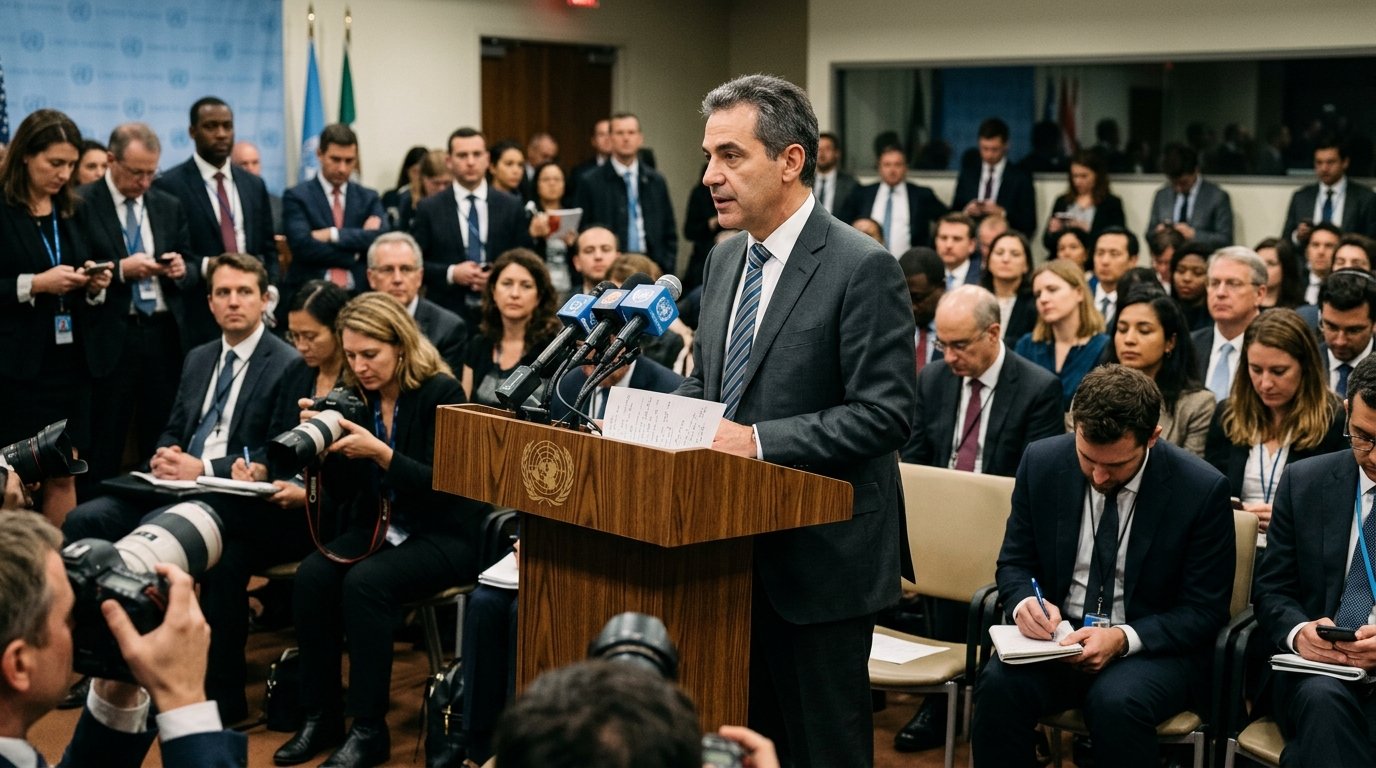

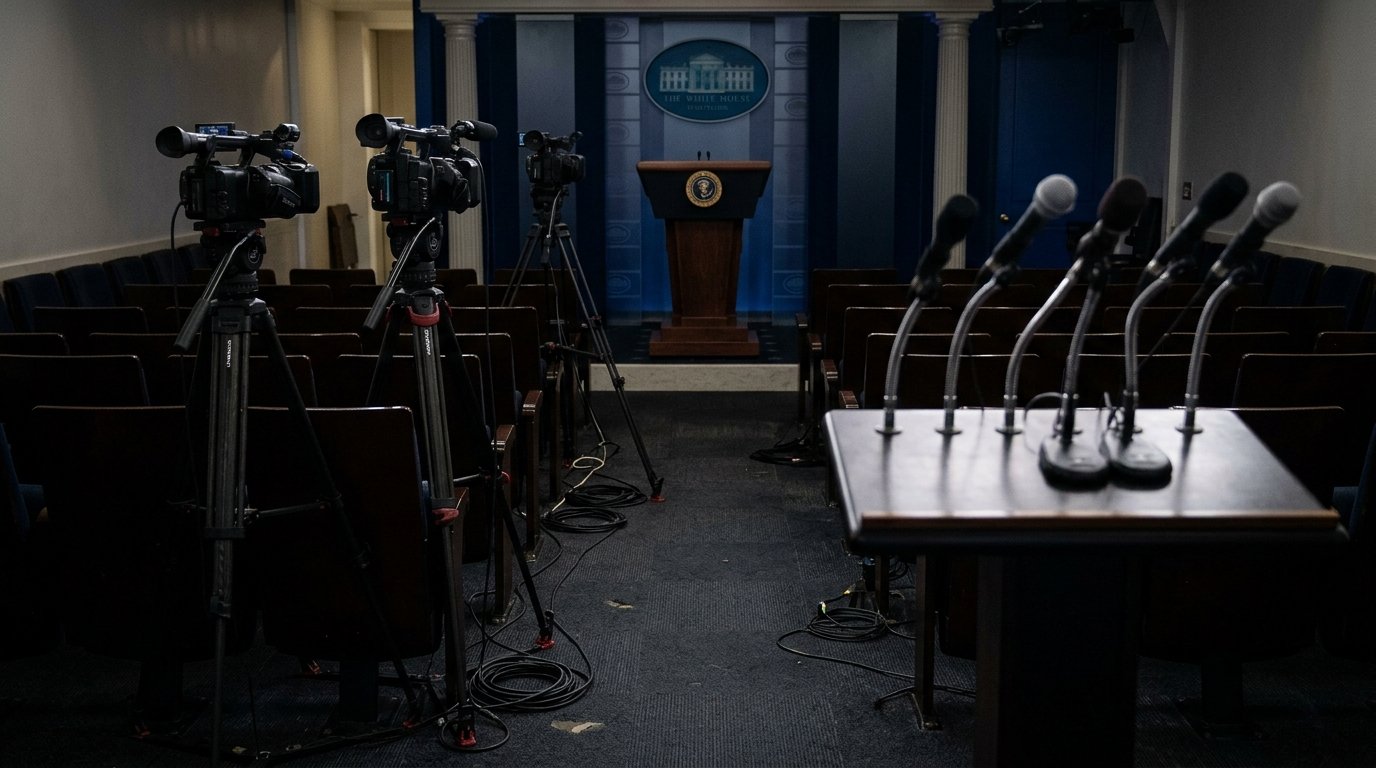
Major American news organizations have halted shared pool coverage of the president following the exclusion of multiple reporting teams from White House events. The protest directly disrupts normal press access after officials barred CNN, MS NOW, and Politico from daily briefings and presidential events.
The collective refusal underscores a major confrontation between executive officials and the press corps over routine reporting access.
Key Takeaways
- Major broadcasters and publishers suspended shared pool coverage to protest presidential access restrictions.
- White House officials barred correspondents from CNN, MS NOW, and Politico from routine presidential events.
- The coordinated boycott disrupts daily video and audio feeds distributed across major national news networks.
Why Did US News Outlets Halt Shared Pool Coverage?
US news organizations halted shared coverage because the White House banned CNN, MS NOW, and Politico from covering the president directly. Broadcasters rely on pooled distribution to share audio and video feeds, but participating networks refused to operate the pool until officials restore equal credentials to all banned reporting organizations.
BBC News reported that regular coverage of the president faced immediate disruption once the participating news organizations initiated the blackout. The shared pool mechanism normally requires one camera crew and a rotating print reporter to document events and supply raw material to every major network.
When officials singled out three major outlets for exclusion, the remaining pool members declined to provide substitute coverage. By shutting down the shared distribution line, the outlets prevent the administration from isolating specific critical publications while maintaining access for compliant channels.
- Media monitoring: Track independent wire services and direct statements to verify event details during pool distribution blackouts.
How Does the Boycott Disrupt Daily Presidential Reporting?
The coordinated boycott disrupts regular presidential reporting by cutting off the centralized camera, audio, and print feeds that dozens of newsrooms use simultaneously. Without pooled crews inside closed briefings and photo opportunities, television stations cannot broadcast standard daily footage of presidential activities or executive statements.
Pool arrangements distribute operational costs and physical access across multiple competing networks. When the system shuts down in protest, individual outlets must decide whether to send separate, uncoordinated reporting crews or leave events uncovered entirely.
This unified action limits the administration's ability to broadcast unvetted announcements through normal commercial broadcasting channels. You can see how fast communication breaks down when core access rules change without notice.
- Channel diversification: Follow multiple primary distribution channels rather than relying on a single shared broadcast feed.
What Are the Broader Implications for Political Press Freedoms?
Targeting individual news organizations with access bans challenges standard norms of political transparency and accountability across democratic institutions. Restricting specific outlets like CNN, MS NOW, and Politico creates friction that forces newsrooms to choose between institutional solidarity and individual competitive advantages.
BBC News documented that major outlets prioritized collective solidarity by halting pool collaboration. When press organizations refuse to cover events under discriminatory conditions, they establish boundaries against selective media bans.
Governments worldwide observe these confrontations closely to evaluate how firmly independent journalists resist selective accreditation. In our experience, maintaining unified operational standards among competitors serves as the strongest safeguard for ongoing public reporting.
- Policy tracking: Review official press accreditation standards to understand the legal boundaries governing media credentials.
FAQ
Which news organizations did the White House bar from coverage?
The White House barred journalists from CNN, MS NOW, and Politico from regular presidential coverage. In response, major peer outlets suspended shared pool arrangements to protest the exclusion of these three organizations.
What is shared pool coverage in presidential reporting?
Shared pool coverage is a collaborative system where a small group of designated reporters and camera crews covers presidential events and distributes the resulting footage, audio, and written notes to all participating media organizations.
Why did competing networks join the media boycott?
Competing networks joined the boycott to defend collective press access and prevent government officials from selecting which specific journalists can report on the president, ensuring uniform reporting rights for all credentialed media organizations.
The standoff between the White House and major news organizations marks a critical moment for collective media standards and political coverage. How newsrooms and official press offices resolve these credential disputes will shape public access to presidential events for years to come.
Stay informed with accurate, up-to-date global news coverage.
Sources
- Major US outlets boycott shared Trump coverage in protest at media ban (BBC News): https://www.bbc.co.uk/news/articles/cje3rezd92y3o?at_medium=RSS&at_campaign=rss