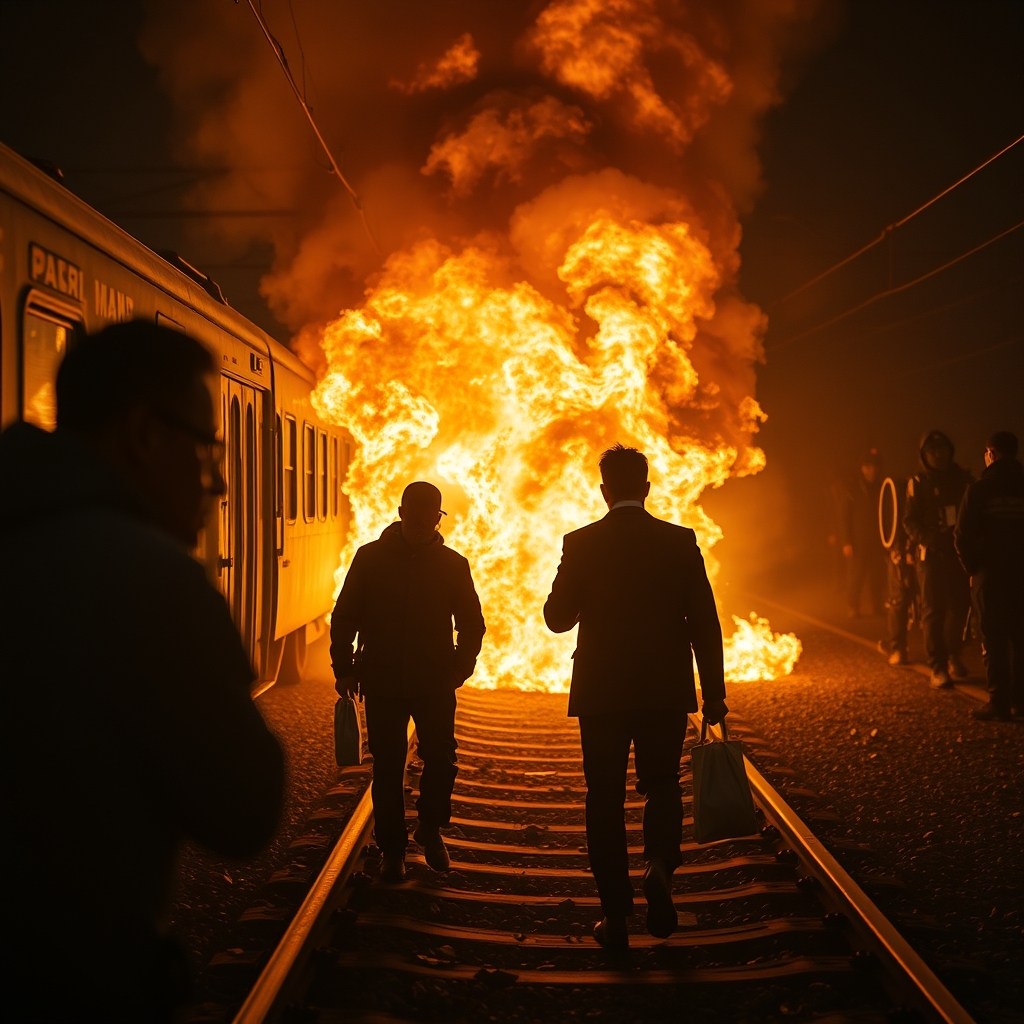
A second major rail disaster this year has abruptly scrambled the political strategy of Spanish Prime Minister Pedro Sánchez. As reported by The New York Times, this latest crash hits an administration that already entered the race as an underdog. Instead of setting the agenda on social policy, Sánchez now faces fierce scrutiny over public safety and state infrastructure.
Key Takeaways
- A second major rail accident this year puts intense political pressure on Spanish Prime Minister Pedro Sánchez.
- The incident derails plans to center the upcoming election campaign on inequality and housing reforms.
- Public scrutiny now focuses directly on administrative competence and state transit safety oversight.
How Does a Rail Disaster Reshape the Spanish Election?
A fatal transit failure immediately forces an incumbent leader to abandon proactive economic messaging and defend operational competence. When critical public infrastructure breaks down repeatedly within a single calendar year, voter attention swings from long-term social pledges to immediate questions of safety, budget allocation, and cabinet oversight.
The New York Times reported that Prime Minister Pedro Sánchez wanted to run his race on social inequality and housing reform. Transport failures disrupt such messaging because voters experience infrastructure daily. How can an incumbent persuade citizens about new social programs when basic transit systems falter?
- Monitor transit debates: Track how political parties address public transport oversight during parliamentary question time this week.
Why Is Government Competence Now on Trial?
Two major rail accidents in the same year transform isolated maintenance issues into a systemic political liability for an administration. Repeated transit emergencies undermine public confidence in ministry management, prompting voters and opposition parties to question whether regulatory agencies enforce safety standards effectively.
Repeated mechanical or systemic breakdowns invite questions about where transport ministries allocate operational funding. In our experience, voters weigh administrative competence by how well basic utilities function. When state transit stumbles, citizens demand independent reviews of capital expenditure, track maintenance schedules, and agency leadership.
- Review policy platforms: Compare official party manifestos to verify specific infrastructure funding commitments before casting your vote.
What Happens to the Push for Housing and Inequality Reform?
A sudden shift toward crisis management sidelines planned policy debates on social inequality and affordable housing. When transport accidents dominate headlines, media coverage and campaign resources shift to emergency response, starving progressive social initiatives of the public focus needed to build electoral momentum.
When unexpected administrative crises erupt, political capital drains away fast. Underdog incumbents need clear messaging to overcome existing polling deficits. Can an underdog administration easily shift public attention back to long-term social reforms under such intense operational pressure?
- Follow legislative priorities: Check your local representative's voting record on transport budgets to see if spending matches public safety priorities.
FAQ
Why is the latest rail accident significant for Pedro Sánchez?
The incident marks the second major rail disaster this year, according to reporting by The New York Times. It strikes while Sánchez already trails as an underdog in the upcoming election, dragging his team into emergency management rather than proactive campaigning.
What was the government planned focus for the upcoming campaign?
Prime Minister Pedro Sánchez intended to center his political campaign on addressing income inequality and expanding affordable housing. The rail crash has disrupted those plans by forcing his administration to justify its day-to-day oversight of critical national transport systems.
How do repeated infrastructure failures affect voter sentiment?
Multiple accidents within twelve months turn isolated transit delays into broader doubts about administrative competence. Voters typically demand prompt safety reviews and clear accountability from transport ministries, which weakens an incumbent's credibility on other major domestic policy proposals.
Electoral outcomes often turn on whether leaders can prove baseline competence when crises strike. As political debate intensifies across Spain, transport safety will remain the central test of credibility for the governing coalition.
Stay informed with accurate, up-to-date global news coverage.
Sources
- Train Disaster Is Blow to Spain’s Leader, Already Election Underdog (NYT > World News): https://www.nytimes.com/2026/10/31/world/europe/spain-train-crash-politics.html