Fresh Russian strikes have severed electrical power to thousands of residents across Ukraine following the conclusion of a temporary humanitarian ceasefire. BBC News reported that the paused hostilities had previously allowed civilians to leave the Russian-occupied city of Oleshky. The immediate resumption of infrastructure bombardments highlights the severe vulnerability of regional energy systems.
Key Takeaways
- Russian bombardment knocked out electricity for thousands of civilians across Ukraine.
- A rare humanitarian pause recently permitted residents to flee Russian-occupied Oleshky.
- Utility networks face renewed disruption as military operations quickly restart across Kherson.
What Caused the Electricity Outages Across Ukraine?
Direct Russian bombardments severed essential electricity supplies across Ukrainian communities immediately after local truce arrangements expired. BBC News confirmed that thousands of civilian households lost power as strikes damaged delivery infrastructure. Halting active combat pauses instantly exposes local transmission networks to renewed shelling, causing rapid blackouts across affected towns and settlements.
Renewed shelling disrupts basic civil functions across regional population centers. When artillery and aerial strikes hit municipal power systems, civilian communities lose access to heating, lighting, and communication channels. Because regional power grids operate as interconnected transmission lines, localized damage quickly creates wider blackouts that leave thousands of residents without dependable household energy.
- Monitor grid status: Track official regional emergency advisories to prepare for ongoing electrical disruptions.
How Did the Temporary Ceasefire Function in Oleshky?
A rare humanitarian ceasefire paused active fighting around the Russian-occupied city of Oleshky to enable civilian departures. BBC News documented that the temporary cessation of fire created a limited safe corridor through contested frontline territory. Pausing incoming artillery fire and aerial attacks gave local residents a brief operational window to evacuate occupied districts.
Humanitarian pauses require strict coordination along active combat fronts. When combatants observe a localized truce, civilians can move away from active combat lines toward safer zones without imminent danger from incoming shells. However, once that scheduled window concludes, frontline operations resume swiftly, cutting off further transit routes and leaving remaining populations in contested territory.
- Coordinate departure timing: Evacuate strictly during verified truce windows before hostile military operations resume.
Why Do Frontline Energy Grids Remain Vulnerable?
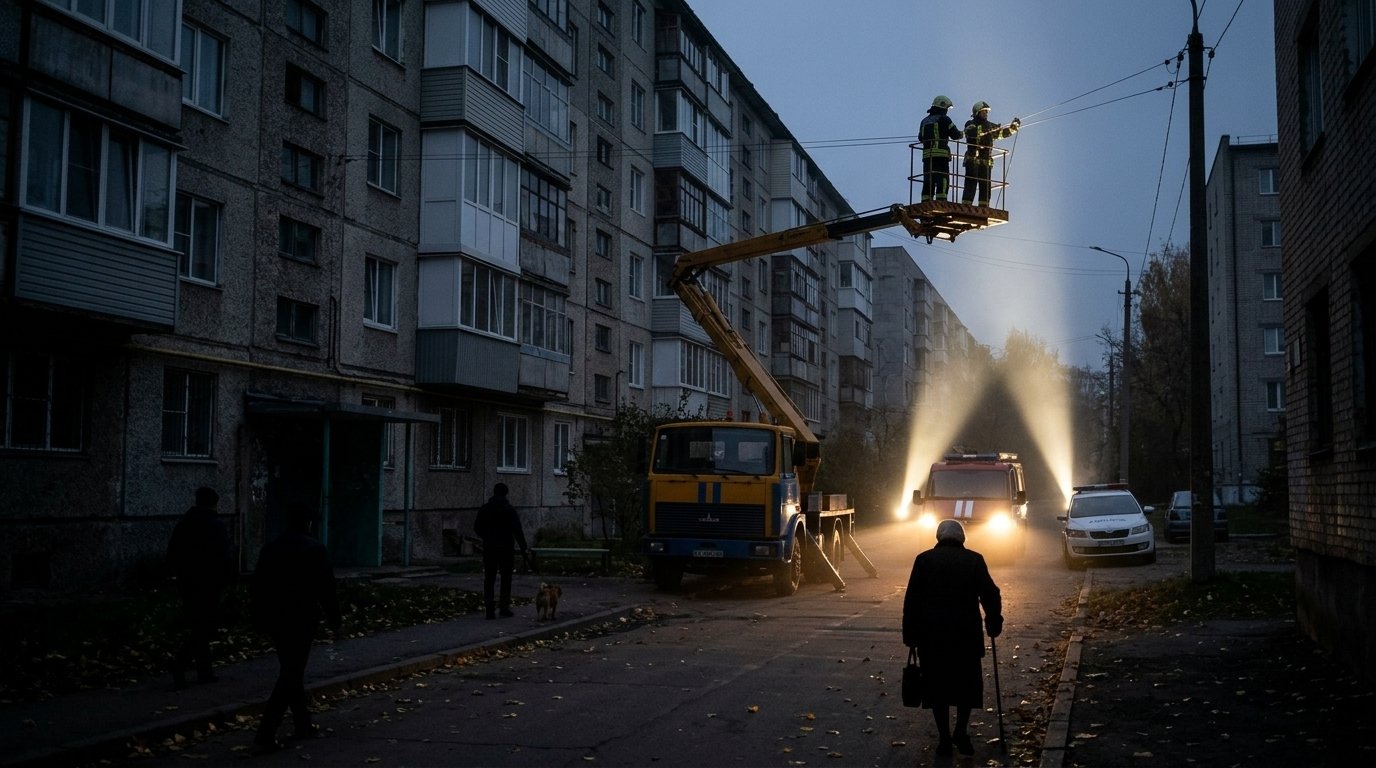
Power transmission facilities cannot withstand direct artillery strikes or missile impacts without suffering immediate functional disruption. BBC News detailed how post-ceasefire strikes knocked out service to thousands of Ukrainian citizens. Frontline energy grids depend on exposed substations and overhead wires that shatter during bombardment, terminating regional current flow until repair teams intervene safely.
Repair operations also stall whenever active shelling restarts across contested territory. Utility crews cannot easily restore fallen cables or damaged distribution points under active fire. Consequently, the termination of a humanitarian pause not only inflicts fresh damage on local power lines but also prevents municipal workers from stabilizing civilian utility systems.
- Maintain emergency reserves: Stock backup lighting and portable battery equipment ahead of expected regional grid failures.
FAQ
What happened to Ukraine's power grid after the ceasefire ended?
Russian strikes cut electricity to thousands of people across Ukrainian communities. BBC News reported that the strikes resumed promptly after a humanitarian pause lapsed, damaging critical power infrastructure and leaving residents without regular power supplies.
Which city saw civilian evacuations during the temporary ceasefire?
Civilians evacuated the Russian-occupied city of Oleshky during the rare humanitarian truce. According to BBC News, the temporary halt in active fighting allowed trapped non-combatants to exit the occupied urban area through designated corridors.
Who reported the end of the Kherson ceasefire and subsequent strikes?
BBC News reported the expiration of the humanitarian ceasefire around Kherson alongside the subsequent Russian military strikes. The reporting highlighted how the end of the brief combat pause caused widespread blackouts affecting thousands of Ukrainian civilians.
Stay informed with accurate, up-to-date global news coverage.
Sources
- Russian strikes cut power to thousands in Ukraine as Kherson ceasefire ends (BBC News): https://www.bbc.co.uk/news/articles/c64g1y90p71eo?at_medium=RSS&at_campaign=rss