
Severe landslides and persistent heavy rain in Nepal have killed around 30 people according to reporting from BBC News. Emergency crews deployed helicopters across affected mountainous areas to evacuate stranded trekkers following the deadly downpours. The fatal incidents struck just one month after catastrophic regional flooding disrupted local terrain.
Key Takeaways
- Heavy rain and destructive landslides killed approximately 30 people across Nepal.
- Rescue teams used helicopters to evacuate stranded trekkers from mountain routes.
- Disasters struck one month after catastrophic regional flooding hit the country.
- Saturated ground conditions continue to complicate safety on steep alpine trails.
Why Did Nepal Experience Fatal Landslides?
Intense rainfall over saturated mountain slopes destabilized regional hillsides and triggered fatal mudslides that claimed around 30 lives. Saturated soil loses cohesion when excessive moisture overwhelms natural drainage paths, causing steep terrain to collapse rapidly. As BBC News reported, these landslides followed catastrophic flooding that battered the country just a month earlier.
Rainwater accumulates rapidly on steep mountain slopes, increasing weight while reducing soil friction until rock and mud shear away. When previous floods have already stripped vegetation and shifted topsoil, secondary storms produce even swifter slope failures. High-altitude terrain channels this runoff directly into populated paths and travel corridors.
- Monitor weather bulletins: Check official regional rainfall alerts before planning any travel in high alpine valleys.
How Are Helicopter Crews Evacuating Stranded Trekkers?
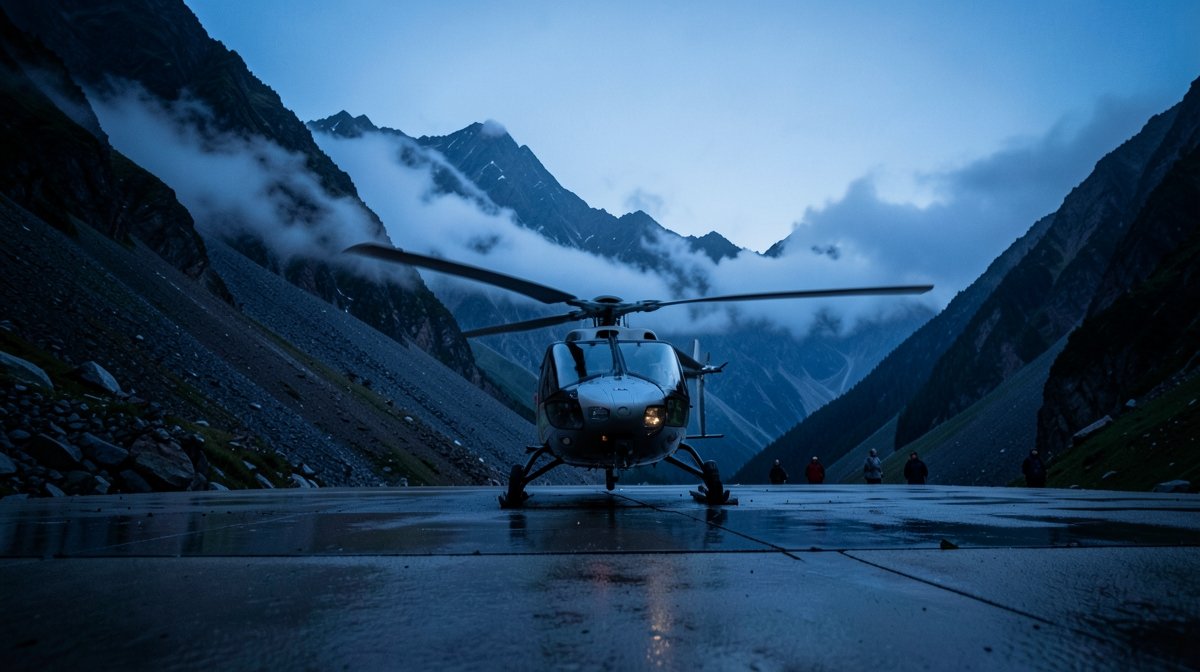
Emergency aviation units deployed transport helicopters into isolated mountain corridors to airlift trapped hikers to safety. Mountain rescue teams operate rotary aircraft in narrow valleys where blocked overland routes prevent ground vehicles from reaching stranded groups. Aerial operations remain the only viable method when mudslides sever trail connections.
Landslides block trails and destroy bridges, cutting off pedestrian descent routes instantly. Helicopter pilots must maneuver through shifting air currents and low visibility to locate stranded groups along high-altitude passes. Evacuation flights lift individuals directly from clearings to prevent further casualties from secondary slope collapses.
- Track flight advisories: Verify operational transport status directly with alpine rescue coordinators during severe storm periods.
What Risks Follow Consecutive Disasters in Mountain Regions?
Consecutive weather disasters compound environmental damage by leaving slopes structurally unstable long after primary rains stop. When severe flooding strikes an area, ground layers remain waterlogged for weeks, making subsequent downpours far more hazardous. The latest landslides demonstrated how quickly fresh rainfall over damaged earth turns lethal.
Have you considered how vulnerable mountain infrastructure becomes after recurring seasonal storms? Saturated hillsides stay prone to sudden shifts even during brief breaks in precipitation. Emergency planners must treat previously flooded zones as high-hazard areas whenever new rainfall systems approach.
- Assess route stability: Avoid traversing steep riverbanks and scarred hillsides immediately following multi-week rainfall cycles.
FAQ
How many casualties were reported in the Nepal landslides?
BBC News reported that around 30 people died as heavy rain triggered massive landslides across the country. Emergency personnel confirmed the fatalities while managing rescue operations in affected zones.
Why were helicopters required to evacuate mountain trekkers?
Helicopters were essential because falling mud and rock destroyed pedestrian trails, cutting off overland routes. Aerial evacuation provided the only safe passage out of isolated mountain corridors.
Did previous weather events worsen the landslide damage?
Yes, catastrophic flooding hit the country only one month prior. That initial flooding heavily saturated the soil, leaving mountain slopes highly susceptible to further collapse under new rainfall.
Emergency responders continue monitoring vulnerable mountain communities and trail networks as recovery efforts proceed across the affected regions. Travelers and residents in steep valleys must maintain heightened vigilance whenever intense rains return to fragile slopes.
Stay informed with accurate, up-to-date global news coverage.
Sources
- Trekkers helicoptered off mountains as more deadly landslides hit Nepal (BBC News): https://www.bbc.co.uk/news/articles/c607l4l3vn0eo?at_medium=RSS&at_campaign=rss