

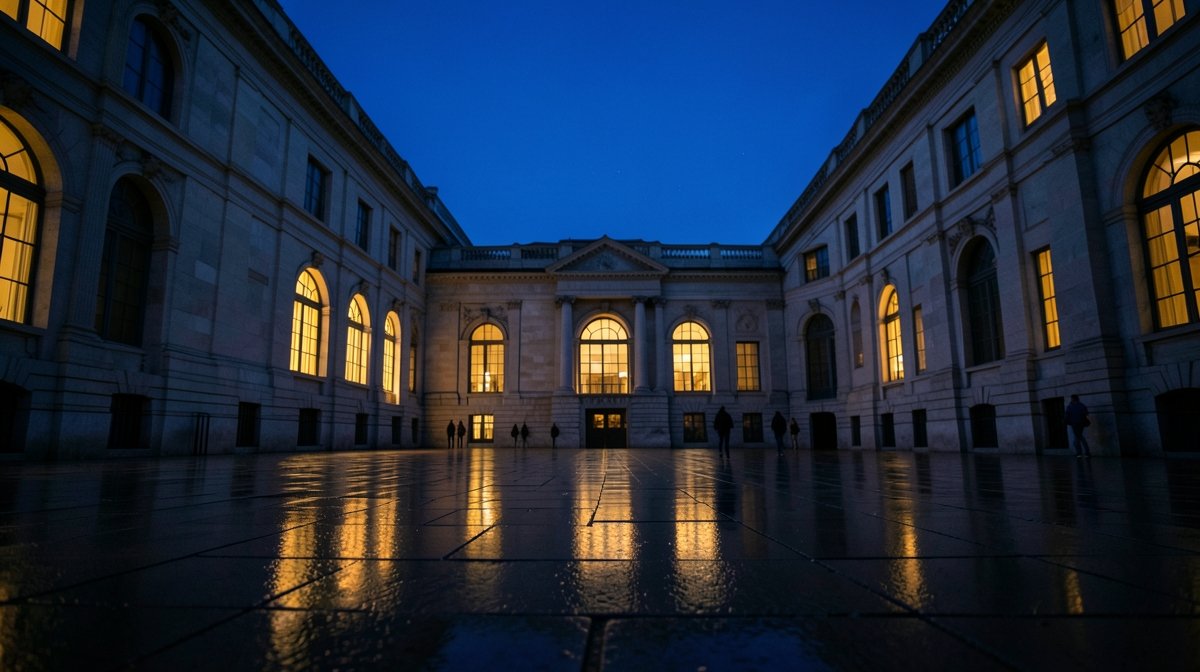
Spain will hold an early general election after Prime Minister Pedro Sánchez dissolved Parliament on Monday. Mounting pressure from a severe housing crisis, unresolved migration challenges, and corruption investigations into his inner circle forced the sudden call. The announcement ends months of political deadlock and sets up an intense electoral contest.
Key Takeaways
- Pedro Sánchez dissolved the Spanish Parliament on Monday to call a snap election.
- Rising housing costs, migration pressures, and inner-circle corruption cases triggered the move.
- The early vote leaves Spanish governance in flux across key domestic policy sectors.
Why Did Pedro Sánchez Decide to Call an Early Election?
Pedro Sánchez dissolved Parliament because converging political pressures made sustained governance impossible. Deep public anger over severe housing shortages collided with ongoing migration disputes and judicial scrutiny over corruption allegations touching his inner circle. Facing dwindling parliamentary backing, the prime minister opted to reset his mandate through an early national ballot.
Governing coalitions weaken when basic living standards deteriorate rapidly. When citizens struggle to secure affordable shelter, public patience with administrative scandals evaporates quickly. Persistent internal corruption probes stall policy implementation and drain parliamentary goodwill. In our experience, calling a snap election remains the primary escape hatch when legislative majorities fracture beyond repair.
- Track policy shifts: Review political manifestos to evaluate proposed solutions for rental caps, border management, and judicial integrity.
What Are the Core Pressure Points Driving Spain's Political Crisis?
Three distinct domestic crises pushed the Spanish government to this breaking point. First, soaring housing costs created widespread social unrest across major urban centers. Second, an intensified migrant surge strained regional resources and sparked sharp parliamentary debates. Finally, high-profile corruption scandals involving individuals close to the prime minister eroded public trust and fractured legislative cooperation.
Each issue fed into the next, creating a difficult operating environment for the executive branch. Rising living expenses amplified voter frustration with state management. Meanwhile, border security debates divided regional leaders and central authorities. As New York Times reporting highlighted, these overlapping strains left the ruling administration with few legislative pathways to pass vital national measures.
- Monitor market impact: Check how political instability influences regional real estate regulations and municipal tax policies over coming weeks.
What Happens Next for Spanish Voters and European Partners?
Spanish voters will head to the polls following the formal dissolution of Parliament to elect new representatives. The upcoming campaign will force rival parties to present concrete answers on housing reform, border security, and institutional transparency. For European allies, the sudden election creates short-term diplomatic uncertainty while Spain determines the composition of its next executive cabinet.
Snap elections fundamentally alter regional cooperation timetables. Diplomatic initiatives often pause while caretaker administrations oversee routine operations. If you track European Union policy or cross-border trade, expect legislative slowdowns until a working parliamentary majority takes shape. Political parties must now persuade a skeptical electorate that they can resolve structural economic problems without repeating past governance missteps.
- Prepare contingency plans: Adjust cross-border operational timelines to account for potential delays in Spanish regulatory approvals during the campaign.
FAQ
Why is Spain holding an early election instead of finishing its term?
Prime Minister Pedro Sánchez called the snap election after months of compounding crises compromised his legislative support. Severe housing shortages, persistent migration issues, and corruption investigations involving his inner circle left the government unable to pass major legislation, making a fresh vote the only viable solution.
How did the housing crisis influence the decision to dissolve Parliament?
Housing availability and soaring rental prices triggered widespread public discontent that undermined faith in the administration. As living costs escalated, parliamentary support weakened, preventing the executive branch from passing meaningful domestic legislation and accelerating the collapse of political stability across the country.
What immediate changes occur after the dissolution of Parliament?
Dissolving Parliament halts standard legislative activity and triggers the formal timetable for national campaigning. A caretaker administration handles essential governmental functions, but major policy initiatives and statutory reforms remain paused until voters choose new representatives and a governing majority forms.
Spain now enters a decisive campaign period that will test the resilience of its political institutions. Voters face critical decisions regarding living costs, border governance, and public accountability in a polarized environment.
Stay informed with accurate, up-to-date global news coverage.
Sources
- Housing, Corruption and a Migrant Surge: Why Spain Is Holding an Early Election (NYT > World News): https://www.nytimes.com/2026/10/05/world/europe/spain-elections-housing-migrants-corruption.html