
Health officials in Pennsylvania confirmed four measles-related deaths as the preventable virus spreads through local Amish communities. In response, public health teams are sending nurses directly to homes to offer private consultations and halt further transmission. This quiet outreach strategy aims to build trust where conventional public health campaigns often stall.
Key Takeaways
- Pennsylvania confirmed four measles-related deaths as local outbreaks threaten rural communities.
- Public health nurses are walking door to door in Amish country to deliver direct medical guidance.
- State health officials rely on private, in-person discussions to encourage immunisation against the virus.
Why are health workers going door to door?
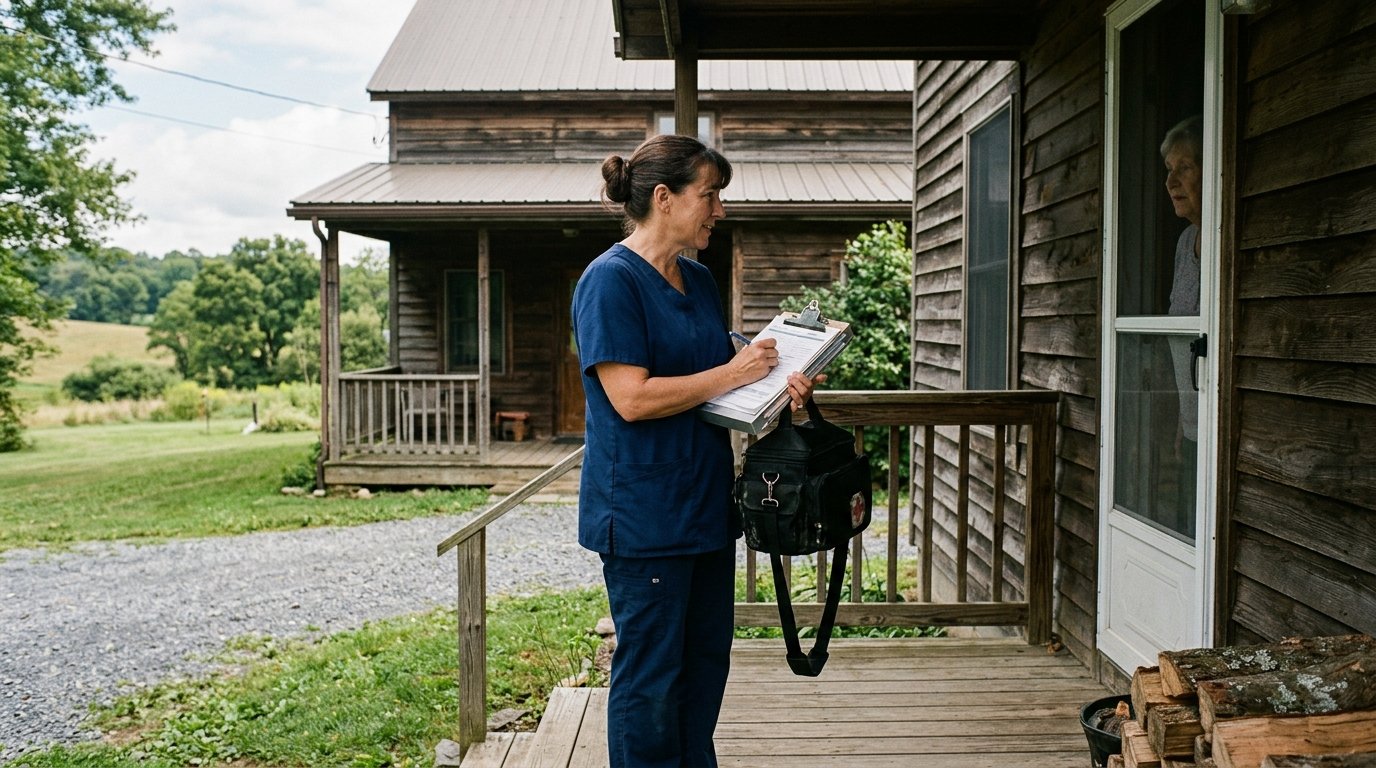
Visiting nurses are providing in-person consultations to address measles risks directly inside Pennsylvania homes. Public health officials chose this personal method because community members respond better to private conversations than to broad public alerts. Meeting families on their own doorsteps allows nurses to explain the danger of the virus and discuss immunisations without public pressure.
The strategy responds directly to four confirmed fatalities reported by BBC News in the state. Measles spreads rapidly through airborne droplets when infected individuals cough or breathe in shared spaces. By establishing direct contact with households, nurses identify vulnerable individuals early and offer preventative solutions before local transmission clusters expand further.
- Outreach awareness: Check your local clinic for community immunisation schedules and outreach visits.
How does private outreach improve vaccine acceptance?
Direct personal engagement helps medical staff answer sensitive health questions away from social scrutiny. Health officials found that individuals who hesitate during mass campaigns often accept vaccines when given private time with a healthcare professional. Nurses explain how the vaccine protects against severe illness, allowing families to make informed decisions at their own pace.
Rural communities often rely on tight-knit cultural networks that view outside government programs with caution. When nurses show up individually, they replace broad mandates with direct, respectful dialogue. In our experience, quiet conversations resolve safety concerns far better than generic brochures.
- Consultation privacy: Request a one-on-one consultation with a family doctor to review immunisation records confidentially.
What are the next steps to contain the outbreak?
Pennsylvania health authorities are monitoring local infection rates while expanding nurse visits across affected rural districts. The main objective is halting transmission before additional severe complications or fatalities occur. Officials plan to sustain the home-visit model until regional vaccination coverage rises enough to shield high-risk individuals from continued community exposure.
Local teams continue tracking contact chains around each confirmed case. Because measles remains highly contagious in airborne environments, rapid isolation and prompt immunisation of exposed contacts remain critical. Health workers will keep offering private vaccinations to prevent future flare-ups across the region.
- Transmission prevention: Verify your household vaccination status immediately if measles cases appear in your area.
FAQ
What caused the recent measles push in Pennsylvania?
Health officials launched the initiative following four measles-related deaths reported by BBC News in Pennsylvania. Because the virus is highly contagious, medical authorities dispatched visiting nurses directly into Amish communities to provide education, assess household risk, and offer vaccines privately to stop further spread.
Why do health officials offer vaccines in private settings?
Private home visits create a safe, confidential environment where families can ask questions without feeling community pressure. Health workers find that one-on-one dialogue helps overcome vaccine hesitancy much more effectively than broad public mandates or mass media campaigns in traditional communities.
How dangerous is the measles virus during an outbreak?
Measles is a severe respiratory virus that can lead to fatal complications, as demonstrated by the four recent deaths in Pennsylvania. The disease spreads easily through the air, making high vaccination coverage essential to protect vulnerable populations and prevent widespread transmission chains.
Preventing further fatal measles outbreaks requires steady collaboration between visiting nurses and local residents. As health teams maintain their home visits across Pennsylvania, open communication and private healthcare access will determine how swiftly communities contain the virus.
Stay informed with accurate, up-to-date global news coverage.
Sources
- In Amish country, nurses go door to door to stop deadly spread of measles (BBC News): https://www.bbc.co.uk/news/articles/ck3wjyjgj37po?at_medium=RSS&at_campaign=rss