French authorities detained almost 1,000 people after nationwide marches shifted into evening clashes on Saturday. While hundreds of thousands marched peacefully earlier in the day, security units moved quickly at nightfall to contain local violence. That immediate intervention marked a shift in crowd management across French cities.
Key Takeaways
- French police detained nearly 1,000 individuals following nationwide Saturday demonstrations.
- Hundreds of thousands marched peacefully before evening unrest began.
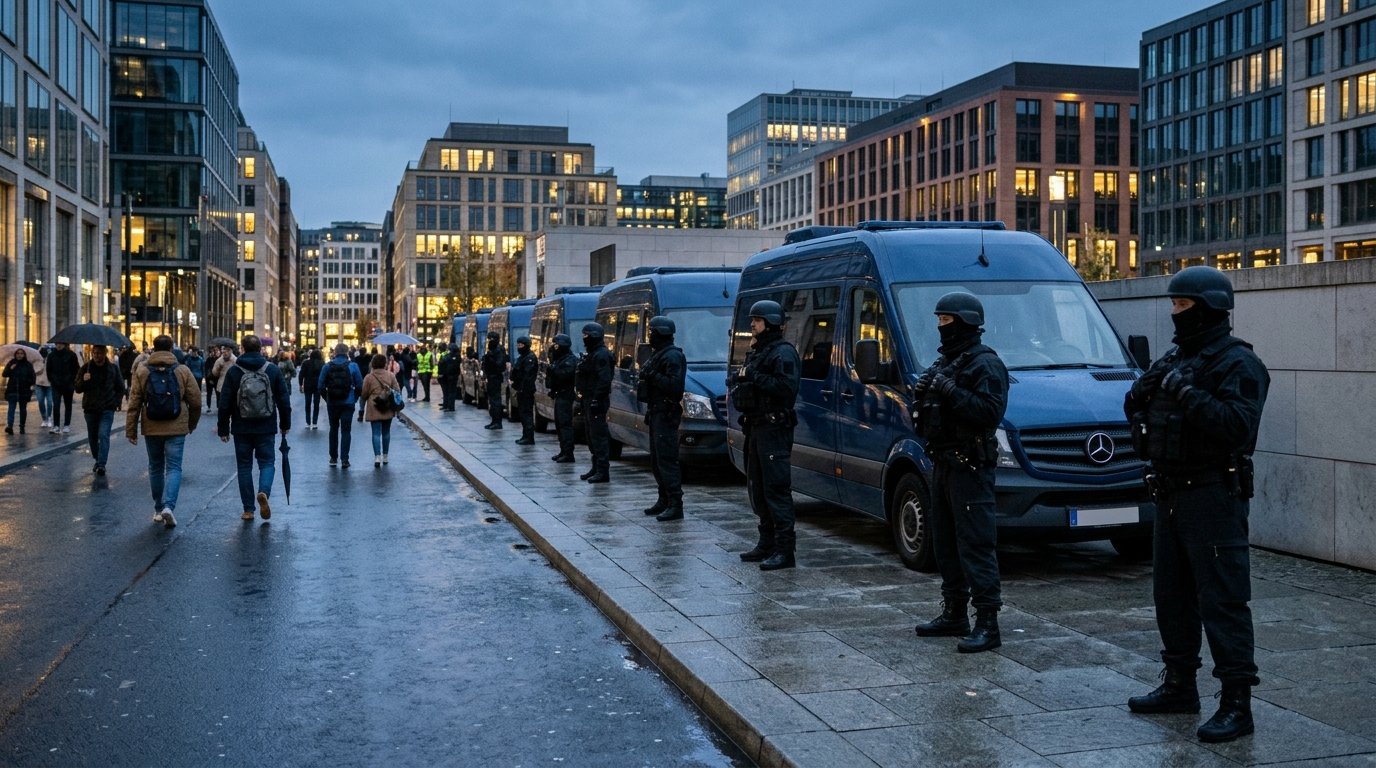
- Rapid tactical rerouting and heavy officer presence limited widespread vandalism.
- Clashes in Paris involved fireworks and tear gas after nightfall.
Why did French police arrest nearly 1,000 people?
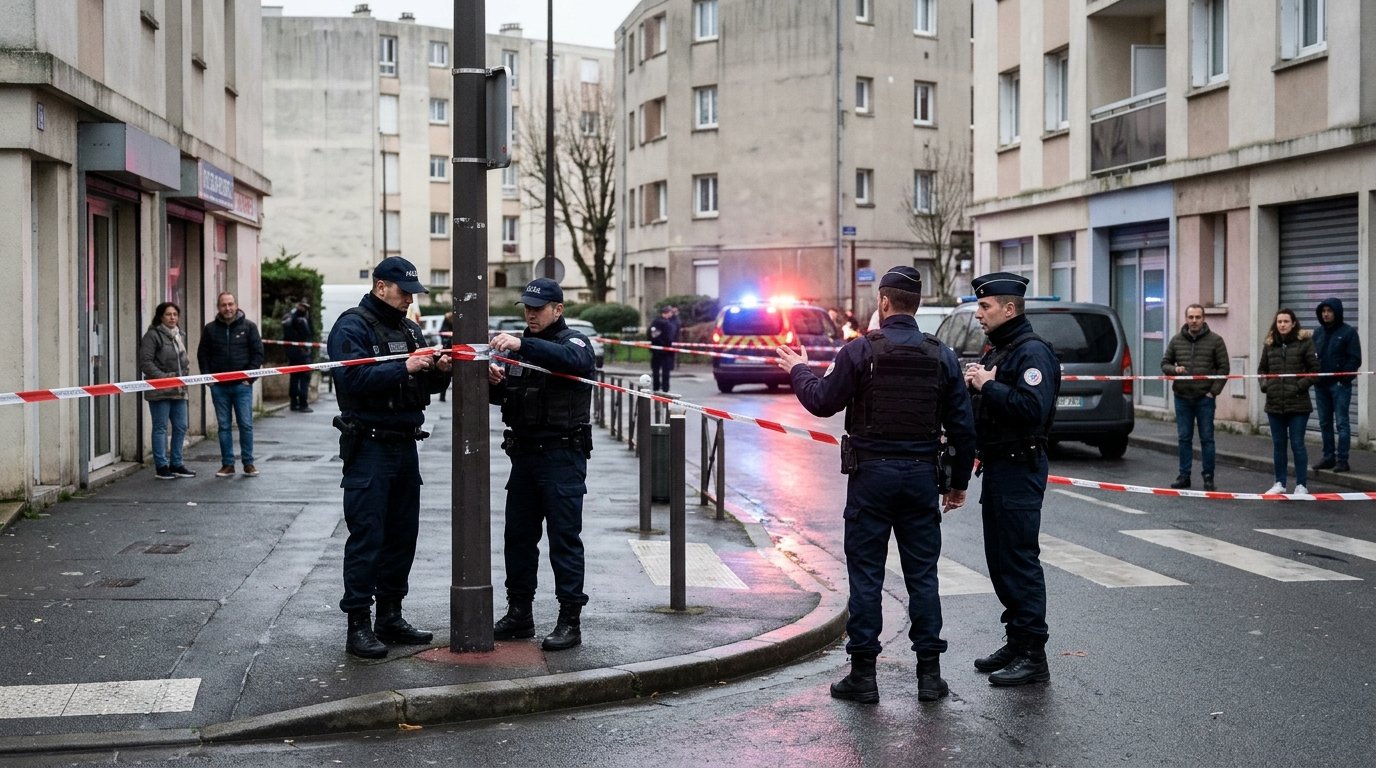
French police made almost 1,000 arrests to prevent local confrontations from escalating into widespread looting. Officers detained individuals once evening crowds fractured and small groups initiated confrontations with riot units. According to reporting from BBC News, authorities enacted this aggressive detention strategy to avoid a repeat of the widespread rioting from the previous weekend.
The high tally reflects an active containment doctrine. When hundreds of thousands gather in urban centers, small breakaway factions often seek nightfall to challenge security cordons. By removing volatile actors directly at the perimeter, forces kept central commercial avenues secure throughout Saturday night.
- Monitor transit notices: Check local municipal transport feeds for real-time station closures whenever urban demonstrations occur.
How did authorities prevent widespread vandalism?
Authorities kept wholesale vandalism contained by combining mass officer deployments with the deliberate rerouting of march paths. Instead of allowing columns to enter vulnerable retail corridors, commanders diverted marches along pre-cleared roadways. The New York Times reported that this combination of route management, officer density, and rapid detentions successfully averted large-scale property destruction.
Physical positioning dictates how crowd momentum develops during civil demonstrations. In our experience, channelled marchers rarely produce property damage if police keep them separated from dense commercial storefronts. By steering parades away from historic trouble spots, commanders denied agitators static cover, reducing shopfront damage compared to earlier rallies.
- Track route diversions: Review verified city prefecture bulletins before traveling through core metropolitan districts during scheduled protests.
What happened during the evening clashes in Paris?
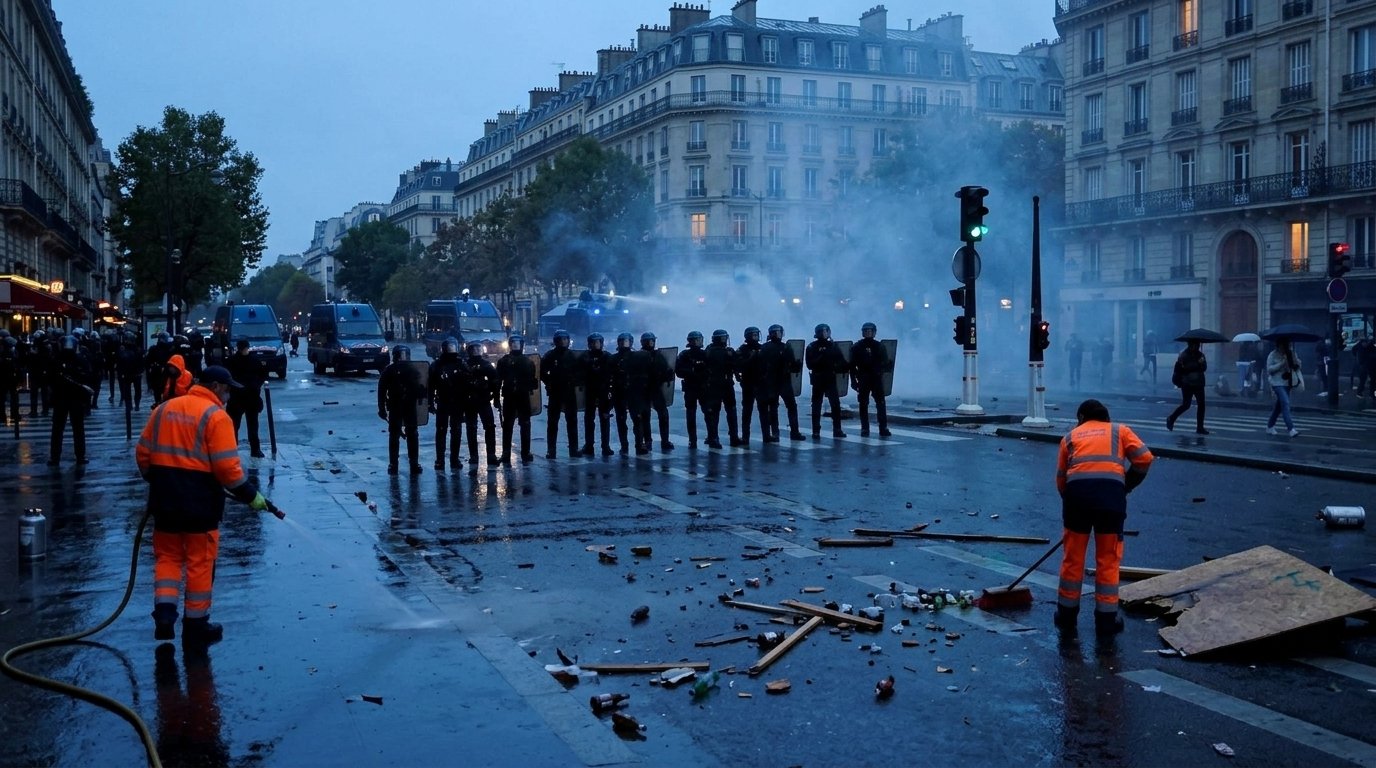
Clashes erupted in Paris after dark when agitated factions launched fireworks at security cordons and police responded with tear gas. While daylight marches remained largely orderly, tension mounted as night approached. Europe correspondent Nick Beake reported for BBC News that the capital saw scattered unrest replace what had been mostly peaceful collective actions.
Nightfall creates visual confusion that volatile groups exploit to launch pyrotechnics. Security units deployed chemical irritants to push back aggressive crowds before barricades could form. By utilizing tear gas volleys alongside rapid mobility units, Paris police dispersed agitated clusters and secured major intersections without allowing prolonged street battles.
- Avoid night gathering points: Clear public plazas as darkness falls to stay well outside unpredictable perimeter sweeps and tear gas dispersal.
FAQ
Did the protests across France cause widespread property damage?
The New York Times reported that large-scale police deployments and strategic route diversions successfully prevented wholesale vandalism. While scattered clashes produced localized tension, authorities avoided the intense looting that defined previous unrest. Preemptive measures kept store damage low compared to prior demonstrations.
How many people participated in the nationwide marches?
Hundreds of thousands of demonstrators joined the protests across France, according to accounts from BBC News. The daytime gatherings remained overwhelmingly peaceful across regional capitals. Unrest only broke out in the evening hours when smaller groups confronted security personnel.
What tactics did Paris riot police use to control unrest?
Paris police utilized tear gas volleys and strategic route barriers to break up aggressive clusters, as reported by BBC News correspondent Nick Beake. Officers targeted groups firing pyrotechnics, breaking apart gatherings before street barricades could materialize across central boulevards.
French security forces demonstrated that tactical agility and targeted interventions can maintain public order during massive demonstrations. As civic demonstrations continue across Europe, emergency protocols will continue adapting to protect peaceful demonstrators while curbing nighttime disruption.
Stay informed with accurate, up-to-date global news coverage.
Sources
- Almost 1,000 arrested as clashes follow another day of mass protests across France (BBC News): https://www.bbc.co.uk/news/articles/c95ynd587ynzo?at_medium=RSS&at_campaign=rss