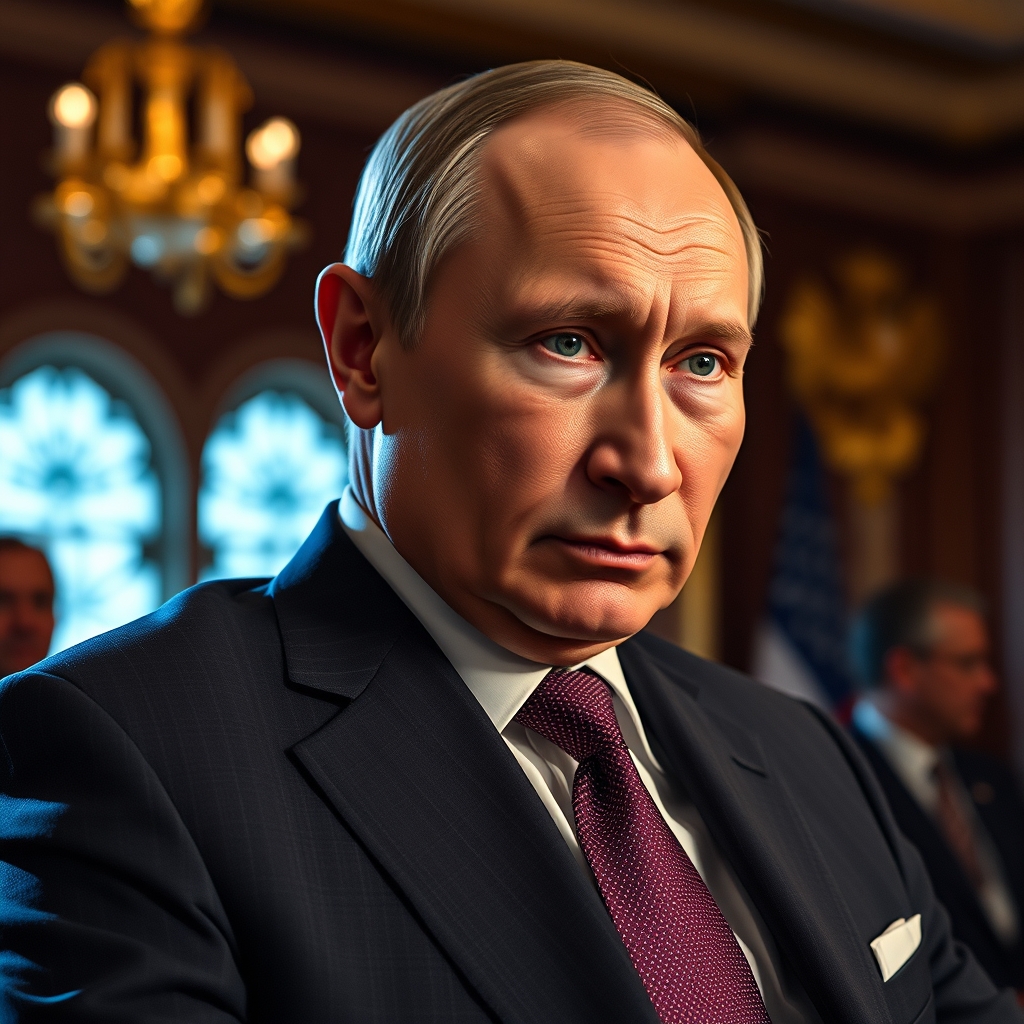
Russian leader Vladimir Putin has begun re-establishing direct contact with foreign leaders, aided by fresh diplomatic momentum from Washington. The New York Times reported on November 1, 2026, that these diplomatic openings could soon return the Kremlin to major international summit tables.
Key Takeaways
- Direct conversations between the Russian leadership and foreign heads of state have resumed.
- Fresh political momentum from Washington allows Moscow to challenge years of strict diplomatic isolation.
- Planned bilateral discussions are clearing pathways toward potential high-profile international summit meetings.
- Diplomatic shifts occur while frontline civilians in combat zones continue facing displacement.
Why Are Moscow Talks Gaining Ground in Washington?
The Kremlin is re-establishing its foreign contacts because shifting political signals from Washington have created room for renewed engagement. As The New York Times reported on November 1, 2026, backing from Donald Trump has handed Vladimir Putin diplomatic wins, allowing Moscow to reach beyond bilateral barriers and re-open dialogues with global leaders.
You can see how quickly international alignments respond when a major superpower alters its diplomatic stance. When Washington signals flexibility, foreign governments that previously avoided bilateral calls begin scheduling private discussions. In our experience analyzing geopolitical strategy, early backchannel dialogues frequently pave the way for formal negotiations.
- Monitor official transcripts: Track upcoming foreign ministry briefings to identify which international leaders confirm bilateral calls with Moscow.
What Do Potential Summit Meetings Mean for Global Alliances?
Potential summit meetings could return the Russian leader directly to the international center stage, dismantling years of coordinated diplomatic isolation. The New York Times reported that talks with foreign heads of state now position Vladimir Putin for high-level summits, which fundamentally alters how European and international coalitions manage collective defense and foreign policy.
Multilateral isolation depends entirely on unified participation across major powers. If one influential partner breaks rank, the collective blockade disintegrates rapidly. You should expect non-aligned nations to seize this moment, pursuing direct summits to secure their own regional energy, defense, or trade agreements before global consensus fractures further.
- Track summit agendas: Follow international summit scheduling notices to verify whether multinational forums extend speaking invitations to Russian officials.
How Does This Diplomatic Shift Affect Conflict Zones?
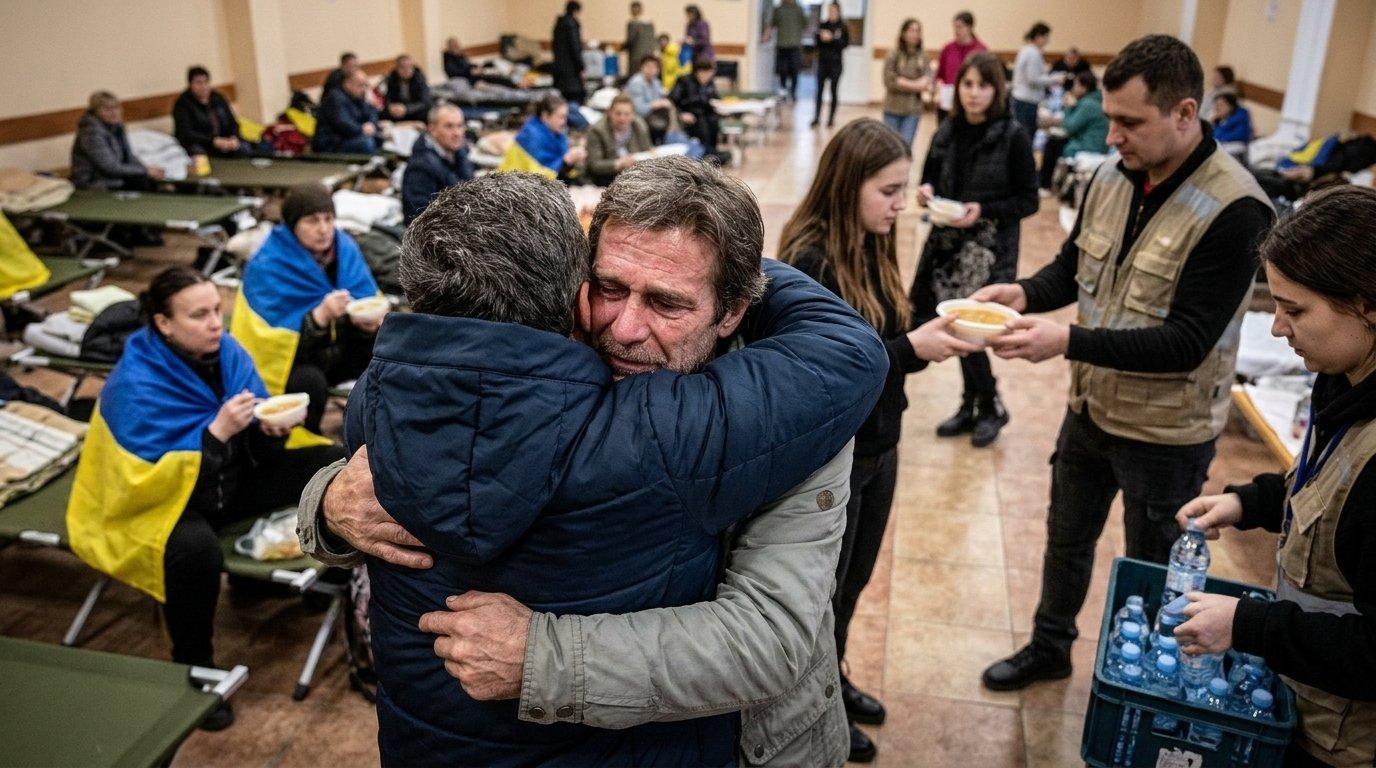
While high-level diplomatic maneuvers gain momentum in global capitals, the practical reality for civilians in frontline territories remains separated from high-stakes negotiations. Reports by The New York Times on October 31, 2026, showed evacuees fleeing Oleshky after enduring years under direct fire, demonstrating the acute human consequences that continue alongside political bargaining.
We've seen throughout modern conflicts that diplomatic repositioning rarely delivers immediate relief to occupied settlements. Civilians from Oleshky endured a harrowing 24-hour journey across dangerous terrain merely to reunite with their relatives. Will elite summit handshakes translate into tangible protection for communities caught in the crossfire?
- Audit humanitarian updates: Review verified relief agency reports to observe whether high-level diplomatic shifts produce real changes in evacuation corridors.
FAQ
How did Donald Trump assist Vladimir Putin in breaking diplomatic isolation?
Donald Trump provided political support from Washington that enabled Vladimir Putin to notch strategic wins and reopen communications with foreign leaders. As The New York Times reported on November 1, 2026, these developments helped Moscow challenge international restrictions and paved the way for potential participation in future global summits.
What role do summit meetings play in restoring Russian diplomatic standing?
Summit meetings offer high-visibility platforms that grant heads of state equal footing on the world stage. Securing an invitation signals that international isolation has ended in practice. When Moscow participates in such gatherings, it effectively normalizes bilateral relations and forces global partners to address Russian priorities directly during negotiations.
What is happening to civilians in Ukrainian combat zones during these talks?
Civilians continue to face severe disruption and displacement regardless of diplomatic shifts. The New York Times documented that Ukrainian evacuees from Oleshky recently completed a harrowing 24-hour journey after enduring years in active combat zones, showing that diplomatic breakthroughs in foreign capitals do not instantly resolve frontline danger.
Global diplomacy changes quickly when established alliances begin to fracture. As high-level talks progress and international leaders reconsider their stances, watching how regional summits unfold will reveal the true balance of power in international affairs. Stay informed with accurate, up-to-date global news coverage.
Sources
- Putin Breaks Down His Isolation, With a Big Assist From Trump (NYT > World News): https://www.nytimes.com/2026/11/01/world/europe/putin-isolation-breakdown-trump.html