

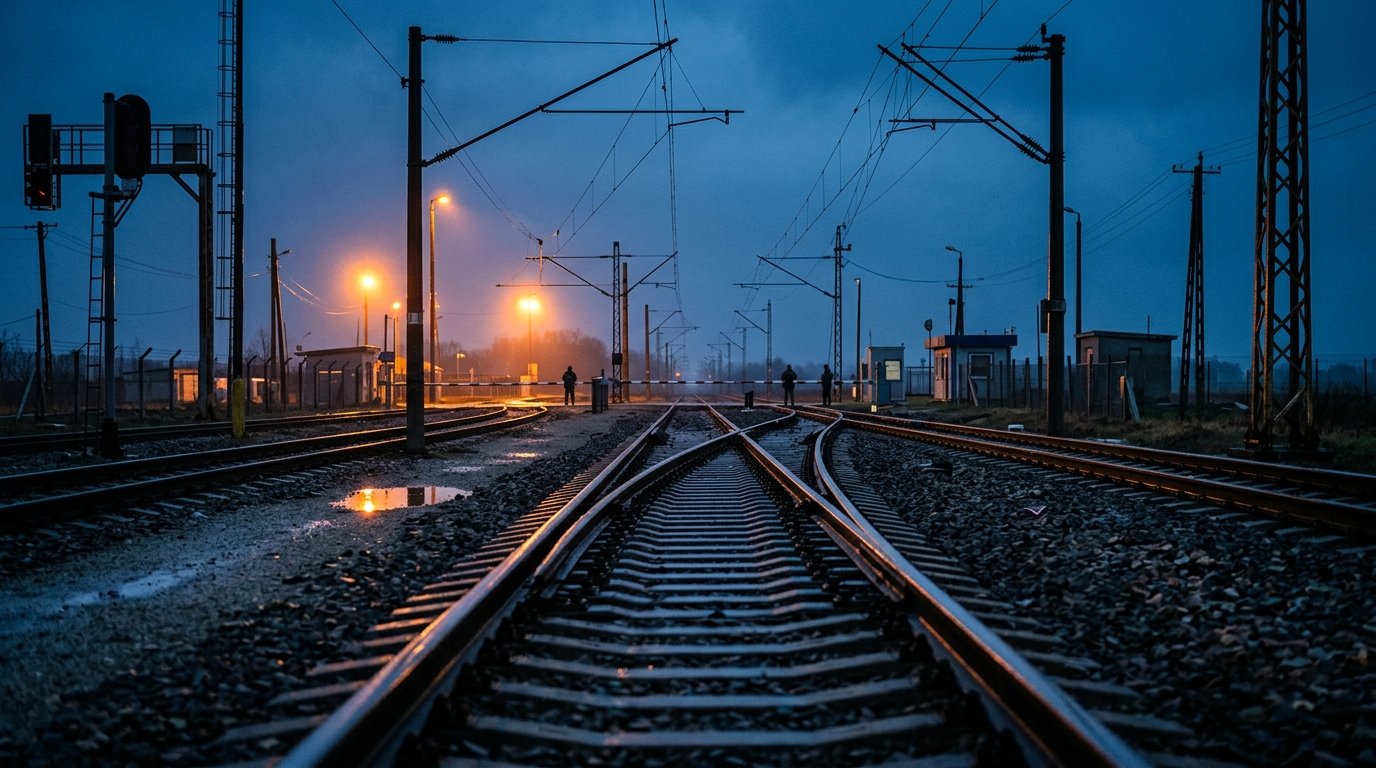
A Russian drone struck a train near the Ukraine-Poland border shortly after former British Prime Minister Boris Johnson and top European officials left the area. BBC News reported zero casualties from the strike. The attack highlights increasing security risks along vital international transit corridors connecting Ukraine to western partners.
Key Takeaways
- A Russian drone struck a train near the Ukraine-Poland border without causing any casualties.
- The attack happened shortly after visits by Boris Johnson and senior European officials.
- Targeting transit routes close to NATO borders sharply increases direct geopolitical escalation risks.
Why Did the Drone Strike Occur Near the Polish Border?
The drone strike landed on critical rail transit infrastructure right after high-level European delegations finished their regional visit. Striking logistics networks near the western frontier puts pressure on diplomatic supply lines. This tactic shows an effort to disrupt the corridors that move personnel and resources across the border.
Transit lines along the western frontier carry foreign dignitaries and humanitarian supplies daily. When military operations reach these transit hubs, the geographic safety zone narrows significantly. International observers monitor these strikes closely because any weapon crossing over the frontier could trigger a broader diplomatic crisis.
- Border monitoring: Track official diplomatic travel security advisories for cross-border rail corridors in Eastern Europe.
How Does This Strike Threaten Regional Security?
Targeting border rail routes tests the proximity limits between active combat zones and neighbouring NATO territory. A strike occurring near an international frontier increases the probability of stray ordnance landing in allied territory. That risk escalates tension among regional defence planners who monitor border airspace constantly.
Diplomatic visits depend on secure rail transit to maintain regular communication with Ukrainian leadership. When attacks occur minutes after official delegations depart, transit protocols require rapid adjustments. Rail operators must balance timetable reliability against the threat of incoming unmanned aerial vehicles.
- Route assessment: Review emergency transport protocols when planning ground transit across regional border crossings.
What Are the Strategic Consequences for European Officials?
International delegations face increased security measures when traveling by rail across the western frontier. Future diplomatic missions will likely require enhanced air defence coordination and modified travel schedules. The incident proves that transit hubs remain active targets regardless of recent high-profile diplomatic presence across regional transit networks.
The strike demonstrates that western rail links no longer enjoy geographic immunity from drone activity. Security teams must now treat regular passenger routes as contested infrastructure. This shift complicates future public visits by foreign leaders seeking to show solidarity on the ground.
- Transit tracking: Monitor rail transport status alerts before scheduling logistics or travel along western border routes.
FAQ
What was the specific target of the Russian strike?
A Russian drone targeted a train located near the Ukraine-Poland border. The strike hit rail infrastructure shortly after high-level European visitors, including Boris Johnson, had left the location. According to BBC News, the attack resulted in no reported casualties among passengers or railway crew members on site.
Were any European officials injured in the incident?
No foreign officials suffered injuries during the attack. Former British Prime Minister Boris Johnson and accompanying European dignitaries had already moved away from the target area before the drone struck the train. BBC News confirmed that zero casualties occurred from the strike on the ground during the incident.
Why does a strike near the border raise escalation concerns?
Attacking targets close to Poland increases the danger of military ordnance crossing into NATO territory. Operating combat drones near international borders strains air defence warning networks and risks unintended cross-border incidents. These factors force defence planners to reassess security along shared diplomatic supply routes across the region.
Cross-border transit security will remain a delicate challenge as military strikes push closer to international frontiers. Western governments will continue evaluating the safety of diplomatic rail corridors as regional tensions remain high.
Stay informed with accurate, up-to-date global news coverage.
Sources
- Watch: Why a Russian strike on train near Ukraine-Poland border could mark an escalation (BBC News): https://www.bbc.co.uk/news/videos/cx2z5gjj838o?at_medium=RSS&at_campaign=rss