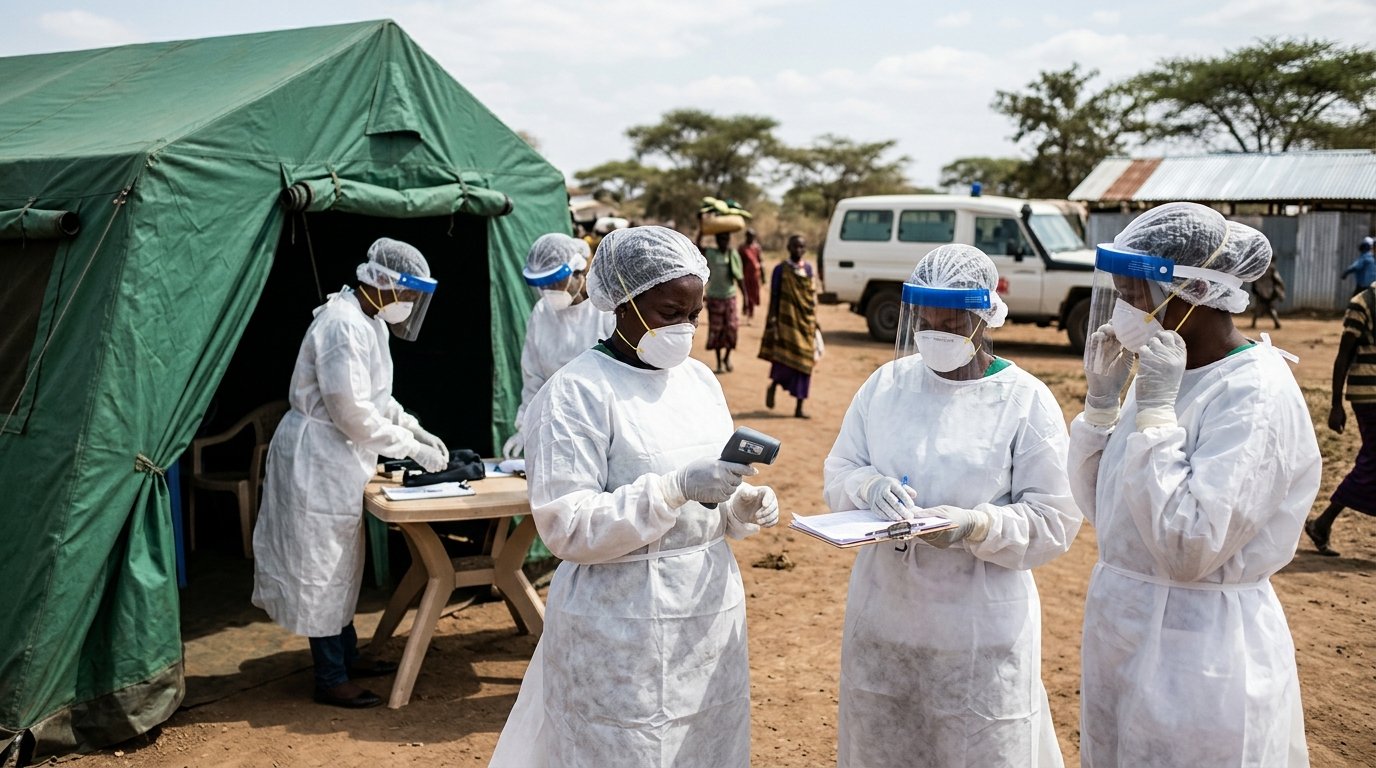
A 65-year-old woman has become the second patient to die of Ebola in Kenya, BBC News reported. Health officials identified her as a close relative of the country's first victim, a man who previously traveled from the Democratic Republic of Congo. This localized chain of transmission confirms that direct contact within households poses the immediate infection threat.
Key Takeaways
- Kenya recorded its second Ebola fatality after a 65-year-old female relative of the primary case died from the virus.
- BBC News confirmed the original infection traced directly to a male family member who entered the country from the Democratic Republic of Congo.
- Health authorities prioritize family contacts to halt transmission chains before community spread occurs.
How Did the Second Kenya Ebola Infection Occur?
The second infection occurred through direct personal contact inside a domestic setting with an infected relative. According to BBC News, the 65-year-old patient contracted Ebola from a male family member who had arrived from the Democratic Republic of Congo before dying of the illness. Household proximity creates primary transmission routes during severe viral illness.
Ebola spreads through bodily fluids, which puts immediate caregivers at greater risk when tending to family members. When an infected patient shows symptoms, casual contact remains less dangerous than unprotected exposure to blood, sweat, or vomit. In our experience, breaking transmission requires isolating symptomatic individuals before secondary household cases multiply.
- Watch contact symptoms: Monitor household members for sudden fever or unexplained weakness if they shared living quarters with any arriving traveler showing illness.
What Makes Cross-Border Ebola Spread a Critical Threat?
Cross-border travel accelerates contagion by transporting undetected viral cases across regional checkpoints before symptoms trigger clinical isolation. The initial Kenya case involved a man traveling across the border from the Democratic Republic of Congo, BBC News reported. Unmonitored transit corridors allow lethal pathogens to leap between established outbreak zones and unprepared border communities.
Transit hubs remain especially vulnerable during regional health emergencies because movement across land borders often outpaces quarantine declarations. Symptomatic carriers can interact with local populations before border medical teams intervene. Screening protocols at transit crossings depend on swift symptom reporting, yet viral incubation periods frequently mask the initial infection during transit.
- Check transit advisories: Review active regional travel warnings and border health alerts before crossing frontiers near recognized outbreak zones.
How Do Health Teams Halt Secondary Transmission Chains?
Public health teams stop secondary Ebola transmission by tracing every individual who interacted with known patients and quarantining them for observation. Containing the virus after two related fatalities requires isolating exposed relatives immediately. This strict separation deprives the pathogen of new hosts and prevents isolated household infections from spilling into general public areas.
Medical responders map every contact hours after confirming a diagnosis. Field workers interview relatives to identify everyone who touched the patient, shared utensils, or assisted with patient care. Active surveillance ensures anyone who spikes a fever enters specialized care immediately, cutting transmission before the virus reaches the wider public.
- Report exposure early: Notify local clinic staff immediately if you have had direct physical contact with anyone diagnosed with hemorrhagic viral symptoms.
FAQ
What was the relationship between the two Ebola victims in Kenya?
BBC News reported that the 65-year-old woman was a close family member of the first victim, who was a man who had traveled from the Democratic Republic of Congo. Their domestic connection facilitated viral transmission through close personal contact during his illness.
Where did the original Kenya Ebola case originate?
The initial infection originated in the Democratic Republic of Congo before the infected male patient journeyed into Kenya, according to BBC News reporting. Cross-border transit enabled the virus to enter Kenya, where it spread to his 65-year-old relative.
How does Ebola spread between family members?
Ebola spreads through direct physical contact with the blood, secretions, organs, or other bodily fluids of an infected person. Relatives providing hands-on care or handling contaminated bedding without personal protective equipment face the highest risk of contracting the virus during active infection stages.
Containing viral threats requires vigilant border health monitoring and rapid contact tracing across international frontiers. As regional agencies track potential exposure networks, transparent public updates remain essential to prevent panic and stop further infections across East Africa.
Stay informed with accurate, up-to-date global news coverage.
Sources
- Woman, 65, becomes second patient to die of Ebola in Kenya (BBC News): https://www.bbc.co.uk/news/articles/c6x2355448eyo?at_medium=RSS&at_campaign=rss