A powerful tremor struck a remote mountainous sector of the Tibet Autonomous Region, killing 16 people according to reports from BBC News. Ground shaking swept across high-altitude terrain where harsh geography slows emergency response and complicates immediate assessments. Rescue teams face severe logistical friction as they work across isolated mountain passes.
Key Takeaways
- Fatalities reached 16 people after a major tremor struck the Tibet Autonomous Region, as reported by BBC News.
- Sparsely populated alpine topography limits casualty counts but creates severe transport bottlenecks for emergency crews.
- High-altitude conditions heighten exposure hazards for displaced residents awaiting shelter and aid supplies.
What Caused the Casualties in This Remote Area?
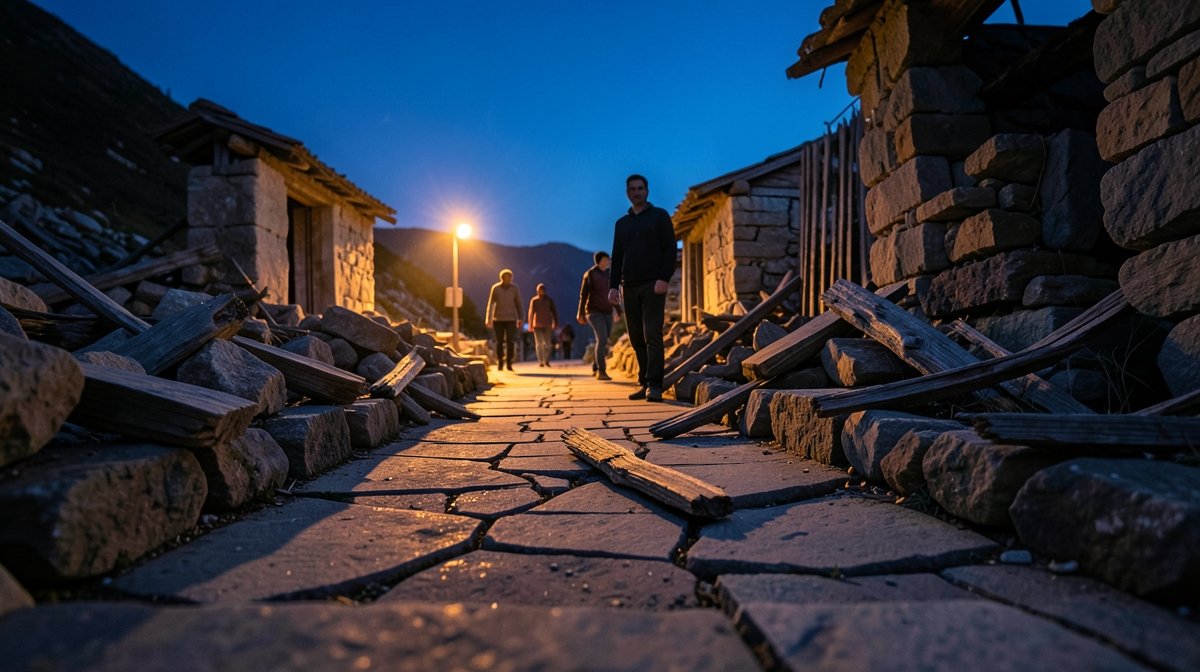
Sixteen people lost their lives because alpine settlements feature vulnerable stone structures that cannot absorb violent ground acceleration. BBC News reported that the seismic event struck a sparsely populated, mountainous zone in the Tibet Autonomous Region. Even with fewer residents per square kilometer, falling masonry from isolated homes creates fatal collapse hazards during sudden shaking.
Plate tectonics beneath the Tibetan plateau generate intense compression, forcing crustal blocks to fracture and unleash energy upward. When these shocks hit rural communities, traditional unreinforced dwellings fracture rapidly. Steep slopes amplify this destructive movement through localized rockfalls, which block sole access roads and trap injured survivors before outside medical aid arrives.
- Track seismic activity: Check international geological dispatch feeds daily to follow aftershock patterns across high-altitude fault systems.
Why Does Mountainous Geography Slow Emergency Relief?
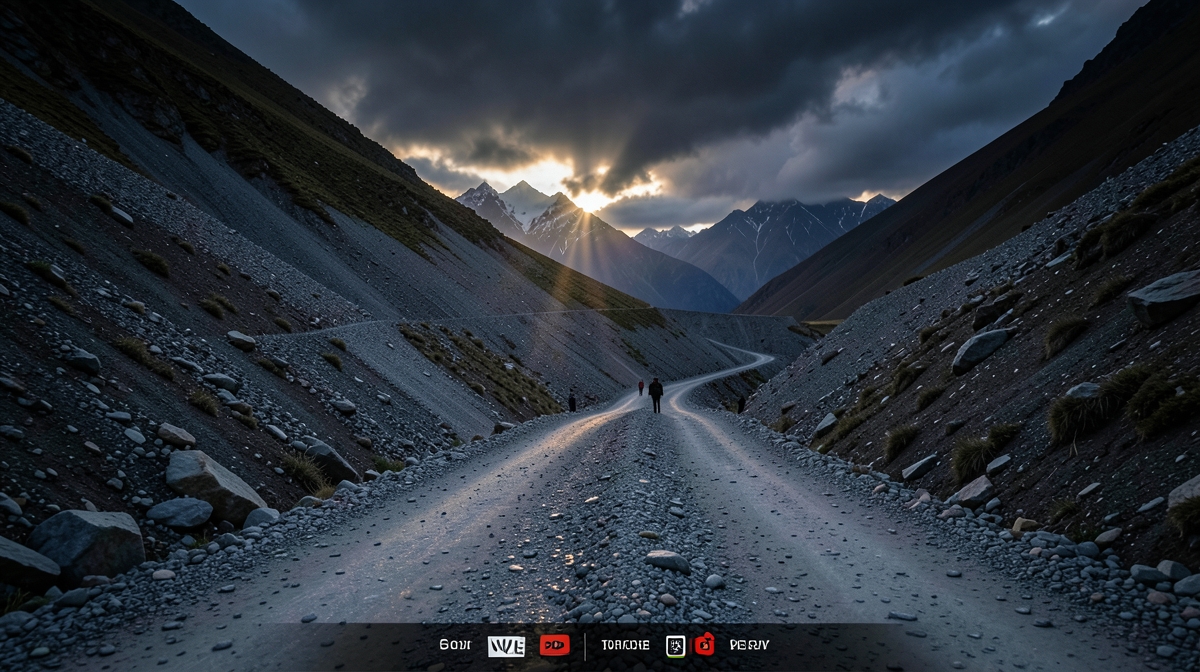
Relief convoys struggle because steep alpine ravines and single-lane mountain roads leave emergency responders vulnerable to landslides. In the sparsely populated Tibet Autonomous Region, high elevations choke vehicle performance and reduce helicopter air density. First responders must clear debris manually before heavy construction machinery can reach damaged settlements.
Thin air and freezing temperatures create compounding survival risks for survivors forced out of damaged buildings. How many remote hamlets remain isolated behind unstable slopes across these high valleys? Regional response networks rely on regional depots to dispatch cold-weather tents, yet altitude sickness slows personnel unfamiliar with sustained physical labor above three thousand meters.
- Support alpine aid: Contribute to established international relief organizations that distribute extreme cold-weather gear to displaced mountain populations.
How Can Mountain Communities Reduce Future Tremor Risks?
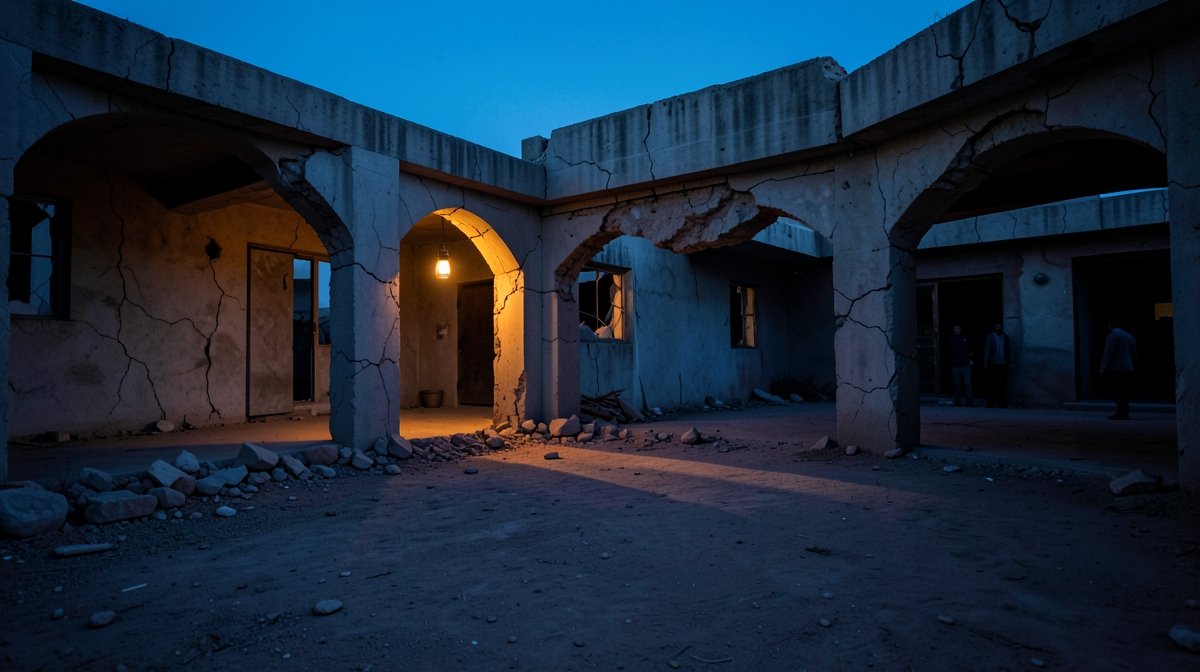
Communities protect lives by reinforcing masonry dwellings with flexible timber frames and establishing local emergency stockpiles. BBC News documented 16 deaths from this recent disaster, proving that even sparse populations suffer fatal consequences without structural reinforcement. Basic seismic tying prevents roof collapse, giving occupants precious seconds to reach open ground.
Regional administrations improve resilience by mapping high-risk alluvial fans and avoiding construction on active landslide paths. Satellite monitoring now detects minute surface deformation along plateau faults, helping engineers identify stressed rock zones before major failure occurs. Decentralized food and medical caches allow cut-off villages to survive independently while road crews clear mountain arteries.
- Inspect masonry structures: Hire certified structural assessors to tie stone walls into roof plates with flexible timber or metal bracing.
FAQ
How many casualties were confirmed in the Tibet earthquake?
BBC News reported that 16 people died after the tremor struck the Tibet Autonomous Region. The disaster affected a sparsely populated, mountainous area, which kept total casualties lower than if the shock had hit a dense urban center.
What makes rescue operations difficult in the Tibet Autonomous Region?
Rescue teams face rugged alpine terrain, steep mountain roads, and freezing high-altitude conditions. Landslides frequently block transit corridors, forcing crews to clear rockfalls before heavy transport vehicles and ambulances can bring aid into isolated valleys.
Why are rural homes in mountainous areas vulnerable to earthquakes?
Rural high-altitude homes often rely on unreinforced stone and heavy timber construction. When severe shaking occurs, rigid masonry walls crack and collapse under lateral forces, which traps occupants before they can evacuate into open outdoor spaces.
Reconstruction across the Tibetan plateau requires durable engineering adapted to extreme altitude and active tectonic faults. Regional agencies and geological teams continue to monitor aftershock clusters to protect isolated communities from secondary rockslides.
Stay informed with accurate, up-to-date global news coverage.
Sources
- Powerful earthquake hits Tibet killing 16 people, reports say (BBC News): https://www.bbc.co.uk/news/articles/ck5ynd1z6e83o?at_medium=RSS&at_campaign=rss