
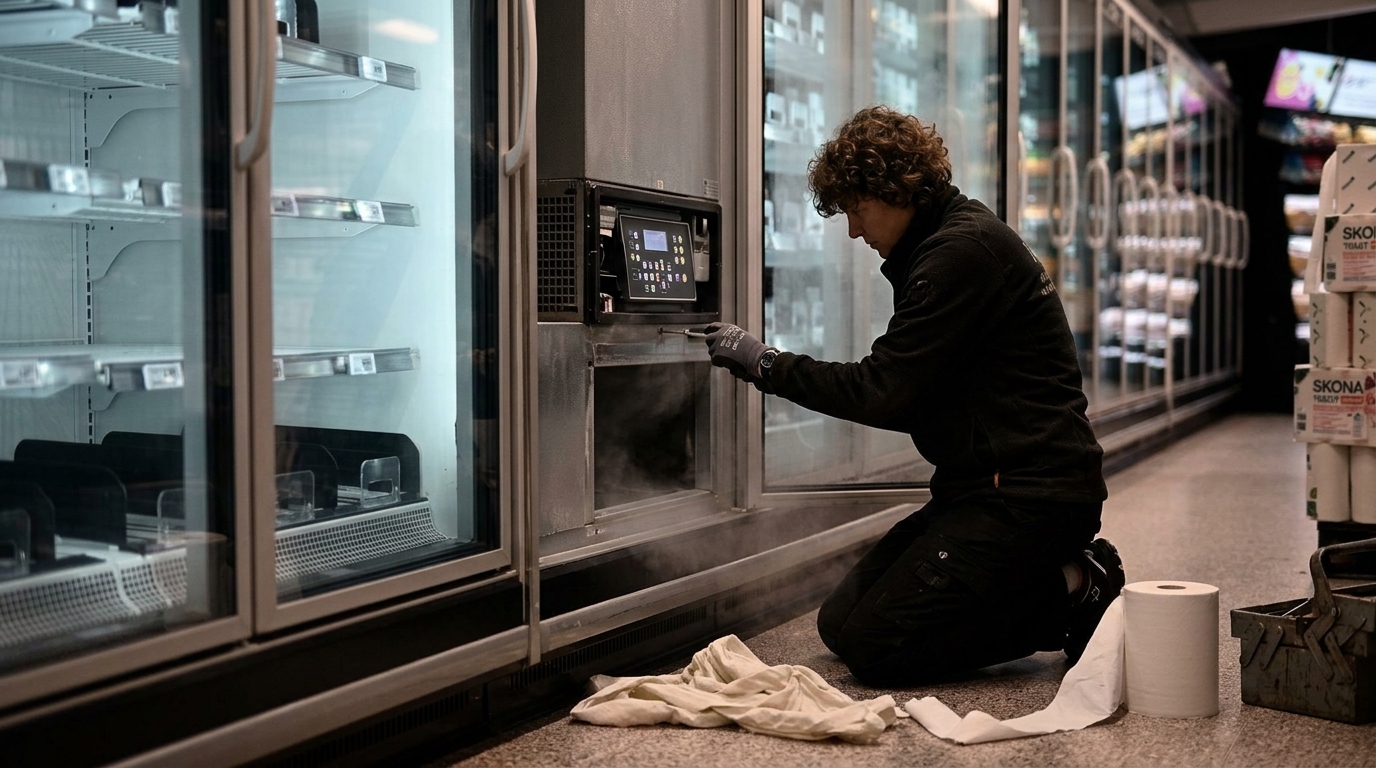
Supermarket freezers across Sweden, Belgium, and Luxembourg suffered severe disruptions following a suspected cyber-attack that altered refrigeration temperatures. Retail outlets in Sweden reported cooling units warming to 50 C (122F), according to BBC News. The incident reveals how vulnerabilities in remote building controls can directly threaten essential food distribution systems.
Key Takeaways
- Suspected cyber-attacks struck supermarket cooling units across Belgium, Sweden, and Luxembourg.
- Swedish retail stores reported internal freezer temperatures rising directly to 50 C (122F).
- Centralized building management systems expose cold food chains to severe remote tampering risks.
What Happened to European Grocery Cooling Systems?
Commercial freezers in Sweden, Belgium, and Luxembourg experienced extreme temperature spikes after unauthorized digital interference disabled standard freezing protocols. BBC News reported that Swedish stores recorded units heating up to 50 C (122F). This unexpected reversal destroyed frozen products, forced immediate floor closures, and disrupted retail inventory operations across multiple European facilities.
The disruption struck central management platforms that oversee commercial chillers across scattered locations. When attackers penetrate centralized environmental controls, they override safety setpoints and invert cooling cycles. Could retail cold storage become the next primary vector for physical infrastructure sabotage? The sudden heating quickly spoils perishable inventory.
- Audit remote connections: Disable unnecessary public web access points on commercial thermostat gateways immediately.
How Do Attackers Manipulate Industrial Cooling Controls?
Intruders target centralized building management software that links retail refrigeration units directly to remote service networks. Attackers gain administrative access through compromised vendor credentials or unpatched management interfaces. Once inside the system, intruders issue configuration commands that adjust thermal settings, pushing freezer temperatures toward 50 C (122F) to trigger physical spoilage.
Modern supermarkets rely on central building automation to track energy efficiency and maintain food safety compliance. However, connecting operational chillers to corporate networks creates dangerous attack pathways. In our experience, failing to isolate industrial controls allows intruders to pivot across facilities, turning basic climate software into an operational weapon.
- Enforce network segmentation: Isolate environmental monitoring hardware from administrative business networks using dedicated internal firewalls.
What Steps Must Retailers Take to Protect Cold Storage?
Retailers must deploy strict segmentation protocols and physical override mechanisms to insulate critical refrigeration machinery from network breaches. Facilities should mandate multi-factor authentication on every remote portal, restrict supplier access privileges, and configure independent hardware cutoffs. These measures prevent unauthorized remote configuration adjustments from overriding local thermostat fail-safes during an active compromise.
Operators often overlook vendor integrations that manage ambient temperatures and refrigeration maintenance automatically. We've found that organizations regularly leave third-party connections unmonitored for months. When an attack strikes, it's critical that local systems don't rely solely on cloud instructions. Supermarkets must establish continuous baseline logging to detect unauthorized command sequences before temperatures shift.
- Install physical fail-safes: Configure manual thermostatic cutoffs that prevent cooling systems from exceeding freezing thresholds regardless of software commands.
FAQ
Which countries reported affected supermarket freezers?
BBC News reported that supermarkets in Belgium, Sweden, and Luxembourg suffered cooling system disruptions during the suspected cyber-attack. Retailers in Sweden specifically confirmed that their freezers experienced extreme heating, showing the broad geographic scope of the attack across European retail chains.
How high did freezer temperatures rise during the attack?
Stores in Sweden confirmed that freezer temperatures rose to 50 C (122F), as documented by BBC News. This severe heat spike completely negated the refrigeration process, ruining frozen goods and demonstrating how digital commands can inflict direct physical damage on food storage.
Why do cyber threats target supermarket cooling infrastructure?
Attackers target refrigeration infrastructure because tampering with temperature settings inflicts immediate commercial losses, forces inventory disposal, and damages customer confidence. Disabling food chillers causes acute operational chaos, making environmental controls an attractive target for extortion or widespread supply disruption across multiple countries.
European grocery retailers now confront a reality where operational software can spoil essential inventory overnight. Securing automated refrigeration against unauthorized remote tampering is no longer optional for maintaining supply continuity and safeguarding consumer health across regional markets.
Stay informed with accurate, up-to-date global news coverage.
Sources
- Supermarket freezers in Belgium, Sweden and Luxembourg hit by suspected cyber-attack (BBC News): https://www.bbc.co.uk/news/articles/cq1kd1nee80eo?at_medium=RSS&at_campaign=rss