

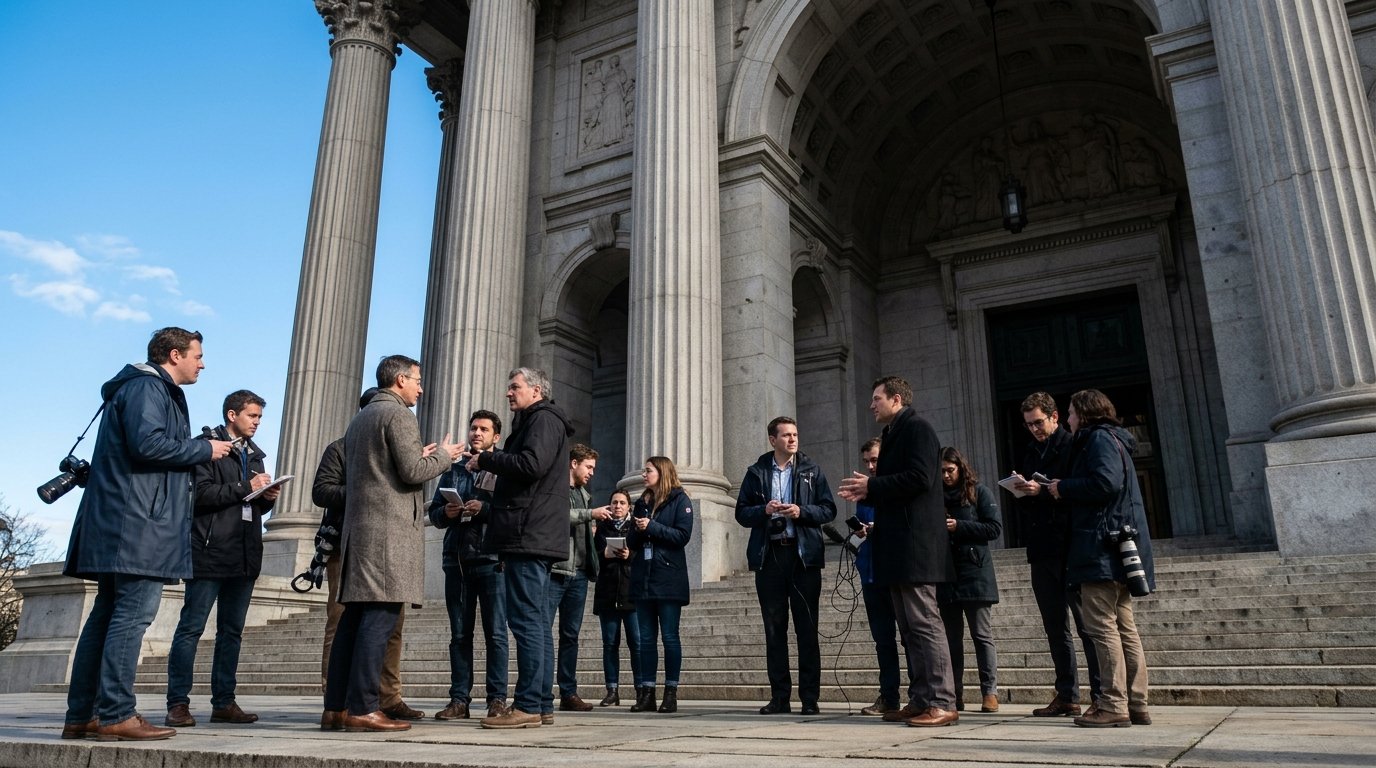
The Supreme Court has revived a controversial data verification system designed to check voting eligibility across the United States. According to BBC News, the program evaluates citizenship status and related sensitive personal data to identify and filter alleged non-citizen voter participation. This legal decision restores immediate federal and state access to computerized verification tools before upcoming elections.
Key Takeaways
- The Supreme Court restored an active cross-check system for voter citizenship records.
- Federal and state authorities use sensitive personal data to identify voting eligibility issues.
- The program specifically filters alleged non-citizen registration records across public databases.
What Did the Supreme Court Decide Regarding the Data System?
The Supreme Court cleared election authorities to resume using a disputed screening tool that evaluates citizenship information against voting rolls. Reported by BBC News, this mechanism compares public records to highlight potential non-citizen registrations. By reviving the protocol, the ruling permits active screening across existing databases while legal challenges continue.
We have seen similar administrative tools trigger intense debate over administrative accuracy. When data sets merge across public agencies, clerical errors can mistakenly flag qualified voters. The judicial order allows government administrators to continue screening voter lists despite ongoing concerns from civil rights advocates.
- Database monitoring: Check your local voter registration status online to confirm your active record.
How Does the Citizenship Screening Mechanism Function?
The screening framework operates by cross-referencing individual voter files against official citizenship records and other sensitive personal files. As detailed by BBC News, the primary mechanism isolates discrepancies in voter profiles to filter out alleged non-citizen ballots. The software flags mismatched files for further manual review by state administrators.
Automated data filters establish structured safeguards during election administration. The technical process depends on matching distinct identifying records across multiple separate repositories. When personal data points conflict, the software isolates the file for secondary administrative review rather than issuing an automatic cancellation.
- Record verification: Ensure your legal identification documents match the personal information on your registration file.
Why Does the Verification Program Spark Controversy?
The verification program draws significant public opposition because it processes sensitive personal data to investigate voter eligibility. Critics argue that automated screening risks flagging legitimate citizens who share common names or outdated records. Supporters maintain that systematic verification protects the integrity of democratic ballots by preventing unlawful voting.
In our experience, electronic database matching requires careful administrative supervision to prevent improper disenfranchisement. Because sensitive data remains central to the screening process, privacy advocates also question how safely agencies handle these digital records. The Supreme Court ruling guarantees this system remains functional during active election cycles.
- Legal compliance: Review state election guidelines to understand how local officials handle flagged records.
FAQ
What is the purpose of the revived voter data system?
The system checks government citizenship information and sensitive personal files against registered voter lists. According to BBC News, its core function is to detect and filter alleged non-citizen voter registrations before ballots are counted in official elections.
Who reported the Supreme Court ruling on the data system?
BBC News reported that the Supreme Court revived the controversial data verification tool. The ruling allows public authorities to continue employing the automated program to evaluate citizenship status across active voting rolls.
What happens when the screening system flags a voter record?
When the mechanism identifies mismatched citizenship information, the system isolates the specific registration for administrative scrutiny. Election officials then review the underlying sensitive records to confirm whether the individual meets all legal voting qualifications.
The Supreme Court decision ensures that computerized citizenship verification remains an active feature of federal election administration. As public agencies integrate sensitive personal records into voter rolls, civil rights groups and election administrators will closely track the accuracy of every automated match.
Stay informed with accurate, up-to-date global news coverage.
Sources
- Supreme Court revives controversial US data system for citizenship checks (BBC News): https://www.bbc.co.uk/news/articles/ck05rrj3jeylo?at_medium=RSS&at_campaign=rss