
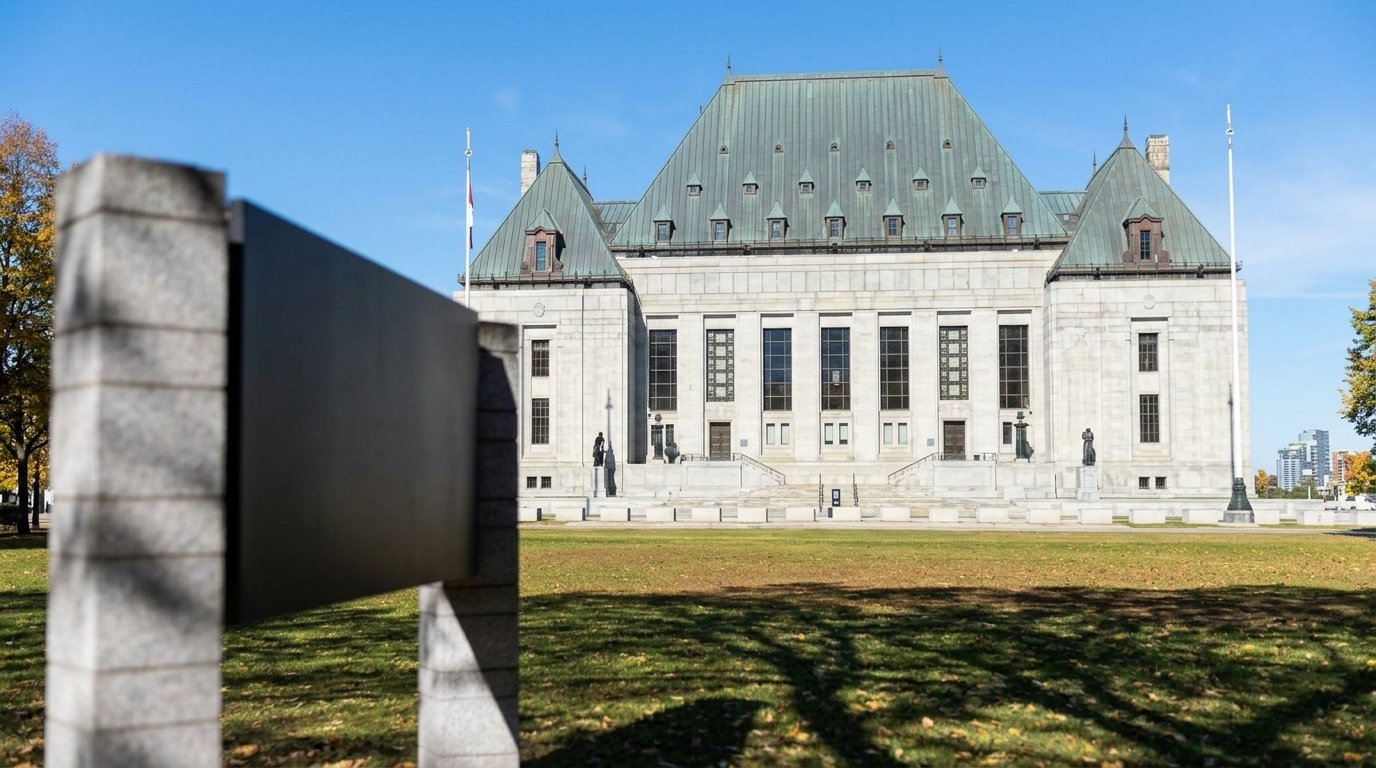
Canada's top court has largely upheld Quebec's secularism law barring public servants from wearing religious symbols on duty. The ruling confirms that the province can rely on a controversial constitutional measure to shield its restrictions. If you follow public sector labor rights, this decision marks a major legal milestone.
Key Takeaways
- The top court largely upheld Quebec's ban on religious symbols for public servants on duty.
- Affected roles include public schoolteachers and police officers who wear visible religious items.
- Legal challenges from Muslim, Sikh, and Catholic teachers were dismissed under the secularism measure.
- The outcome affirms provincial power to shield employment restrictions from fundamental rights lawsuits.
What did the court decide on Quebec secularism rules?
Canada's highest court ruled that Quebec can legally use a controversial legislative measure to maintain its ban on public sector religious symbols. The judgment largely preserves the provincial framework that stops designated government workers from displaying faith-based items while they represent the state on duty, turning away extensive civil liberties appeals.
The legal challenge focused on whether the province overstepped its constitutional limits when enacting the secularism restrictions. As reported by both BBC News and The New York Times, the provincial government invoked a protective measure to shield the statute from claims that it infringes fundamental liberties. The court confirmed that such legislative protections remain operable.
- Review provincial statutes: Examine how regional protective clauses impact workplace dress codes before launching employment disputes.
How does the ruling affect teachers and police officers?
The decision directly restricts public schoolteachers and police officers from wearing visible religious items during their working shifts. By upholding the provincial secularism law, the court confirmed that frontline public employees must maintain strict institutional neutrality, requiring individuals to remove religious garments before performing statutory duties in public workplaces.
Multiple professional groups contested these employment conditions during hearings. According to BBC News, female Muslim, Sikh, and Catholic teachers challenged the secularism rules by arguing that the prohibitions violated their fundamental constitutional rights and career access. Critics cited by The New York Times described the ban as discriminatory against observant religious minorities in public service.
In our experience, workplace neutrality mandates force public servants to choose between personal religious practice and career advancement. Opponents emphasize that barring religious symbols excludes dedicated educators from classrooms and qualified officers from police forces. This dynamic creates deep barriers for religious minorities seeking public sector careers across Quebec institutions.
- Audit employment compliance: Check standard operating dress policies to understand how public secularism rules alter recruitment criteria.
What does this legal outcome mean for civil rights disputes?
The ruling reinforces government authority to enact secularism mandates by deploying statutory shielding provisions against civil rights claims. By validating the controversial legislative mechanism, the court demonstrated that provinces can protect controversial public sector employment rules from judicial invalidation, even when applicants demonstrate that their fundamental freedoms face restrictions.
Legal advocates now face higher procedural hurdles when challenging provincial secularism legislation. When governments apply protective clauses to bypass standard rights review, courts have limited room to strike down discriminatory impacts. We've found that this judicial deference signals that similar labor restrictions may withstand scrutiny if regional administrations invoke identical constitutional tools.
- Monitor court filings: Track civil liberties motions to identify how legal teams adapt their arguments against statutory shield mechanisms.
FAQ
What specific workers are barred from wearing religious symbols?
The secularism law applies to specific public servants operating in positions of authority, including public schoolteachers and police officers. These workers cannot wear visible religious items while performing official duties, as the province requires staff to present a neutral secular appearance to members of the general public.
Why did groups challenge the Quebec secularism law?
Educators and civil advocacy groups challenged the measure on fundamental rights grounds. BBC News reported that female Muslim, Sikh, and Catholic teachers argued the ban restricted their constitutional freedoms and professional livelihoods. Critics cited by The New York Times maintained that the ban actively discriminated against observant religious communities.
How did Quebec protect its secularism law from legal challenges?
Quebec shielded the statute by using a controversial constitutional measure designed to override standard rights protections. Canada's top court confirmed that the provincial government could validly invoke this legislative tool, allowing the secularism ban to remain largely in effect despite claims that it infringes fundamental rights.
This judicial decision cements Quebec's strict secularist model within public institutions while reshaping the boundaries of Canadian constitutional litigation. Governments and labor advocates across the country will watch how public sector unions adjust their workplace strategies in response to this ruling.
Stay informed with accurate, up-to-date global news coverage.
Sources
- Canada's top court largely upholds Quebec ban on religious symbols for public servants (BBC News): https://www.bbc.co.uk/news/articles/cq3dgpy9lem3o?at_medium=RSS&at_campaign=rss