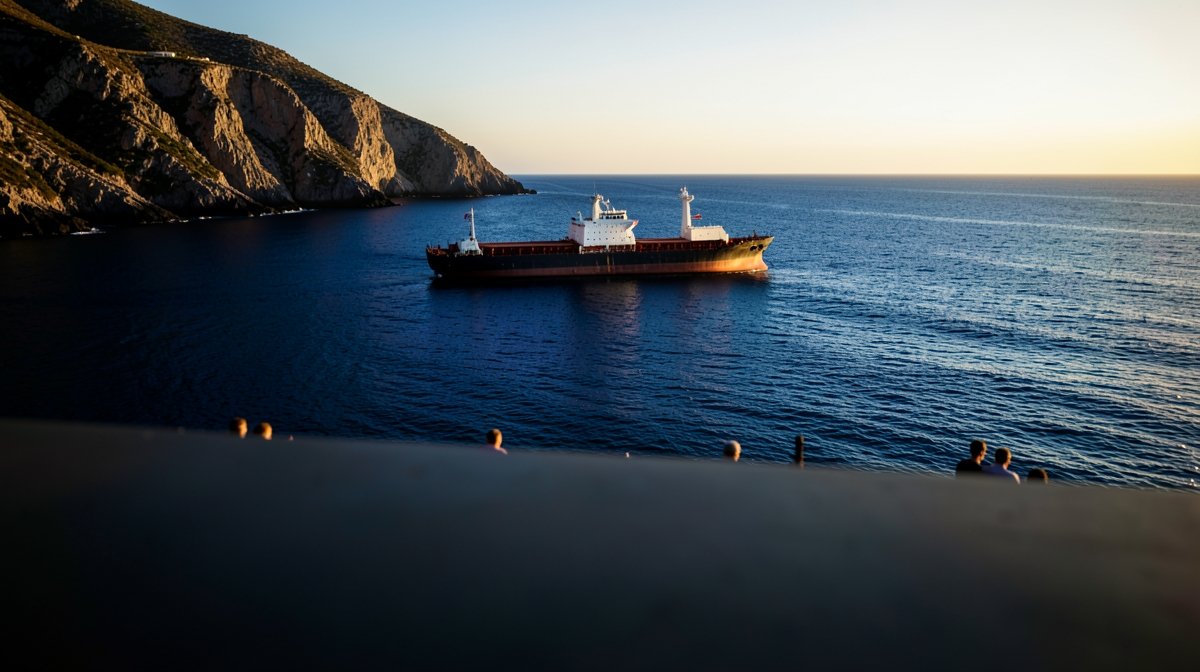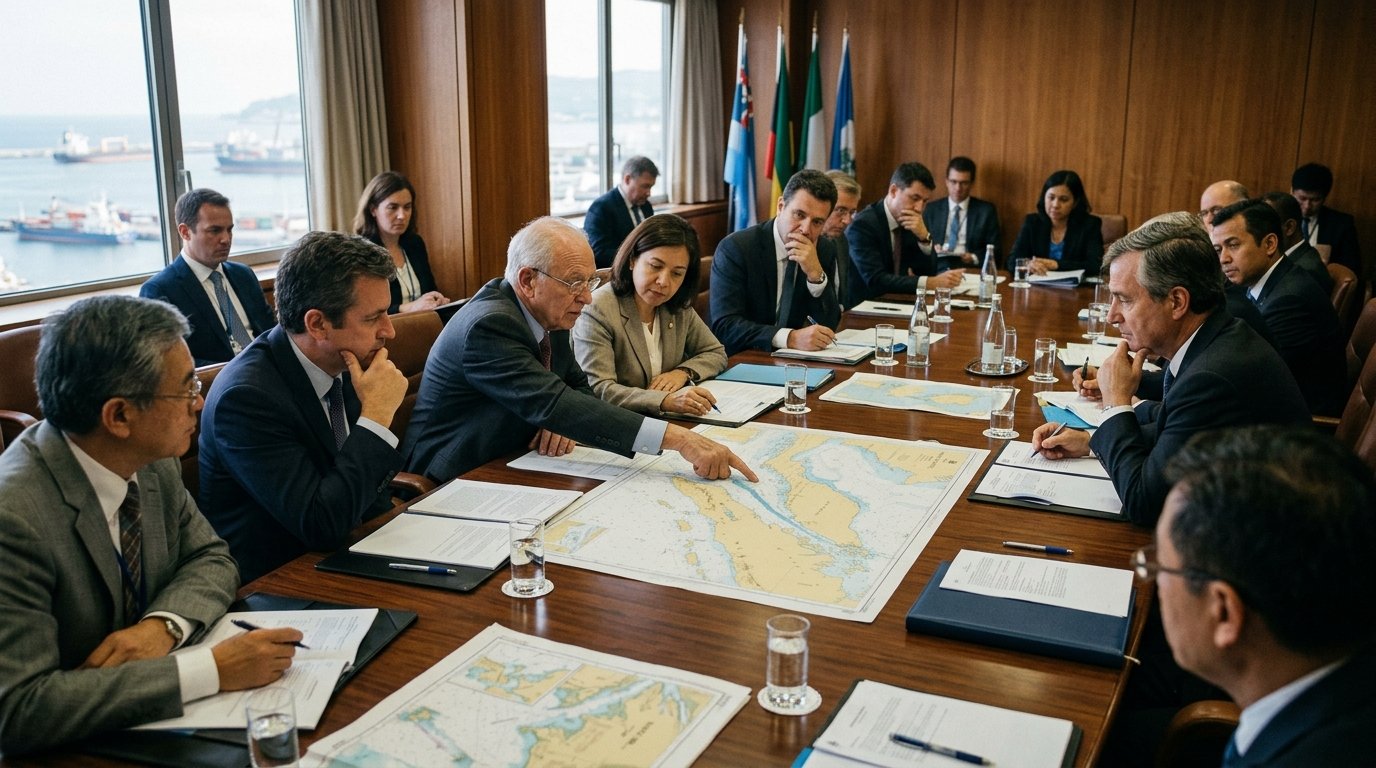


Iran is currently waiting for a formal diplomatic statement from the United States regarding a proposed agreement on the Strait of Hormuz. Although former President Donald Trump voiced public opposition to the initiative on Saturday, Iranian officials maintain that formal diplomatic channels have not yet delivered a definitive rejection.
Key Takeaways
- Iran awaits an official US communication regarding the Hormuz arrangement.
- Donald Trump publicly rejected the proposed agreement during remarks on Saturday.
- Iranian diplomats distinguish between public political statements and formal policy notifications.
What Is Iran's Official Stance on the Proposal?
Iran maintains that formal diplomatic channels remain open until Washington delivers a binding written response. Iran's foreign minister clarified that public statements do not substitute for official state correspondence, leaving the diplomatic initiative formally active on the international stage.
Diplomatic protocol requires verified state channels to confirm whether a policy proposal stands or fails. According to BBC News reporting, the Iranian foreign minister highlighted that remarks from Donald Trump on Saturday do not constitute an official governmental rejection of the Hormuz deal.
- Diplomatic verification: Monitor official diplomatic channels for formal state communiques rather than relying solely on public political speeches.
Why Do Public Statements Differ From Official Policy?
Public statements often serve domestic political goals rather than binding foreign policy decisions. In our experience, governments separate informal rhetoric from structured diplomatic exchanges because formal negotiations require documented legal commitments between states.
How should international observers interpret these contrasting signals? Official state departments communicate binding decisions through formal notes, while unverified public statements can shift rapidly depending on political circumstances.
- Channel tracking: Distinguish between public statements and binding state communications when evaluating international security agreements.
How Will the Diplomatic Stagnation Resolve?
Resolution depends on whether Washington submits a formal written rejection or initiates structured diplomatic exchanges. Tehran continues to hold its position pending an official reply, keeping the proposed maritime framework under consideration until formal documentation arrives.
BBC News reported that Iranian leadership continues to evaluate the situation through established channels. Until an official response reaches Tehran, the status of the maritime arrangement remains formally unconfirmed.
- Policy assessment: Track official foreign ministry releases to confirm genuine shifts in international maritime policy.
FAQ
Did Donald Trump reject the Hormuz agreement?
Donald Trump publicly rejected the proposed Hormuz arrangement on Saturday. However, Iranian officials noted that public remarks do not equate to a formal diplomatic rejection delivered through verified state channels.
What did Iran's foreign minister say about the talks?
The Iranian foreign minister stated that Iran has not received an official rejection from the United States. Tehran remains in a waiting posture for a verified diplomatic response from Washington.
Which news organization reported these diplomatic statements?
BBC News reported the statements from the Iranian foreign minister regarding the pending US response and Donald Trump's Saturday comments on the Hormuz initiative.
Global diplomatic processes continue to unfold as both nations evaluate their strategic positions in the region.
Stay informed with accurate, up-to-date global news coverage.
Sources
- Iran waiting for official US response after Trump rejects Hormuz deal, minister says (BBC News): https://www.bbc.co.uk/news/articles/cmvgyyw2jeego?at_medium=RSS&at_campaign=rss