
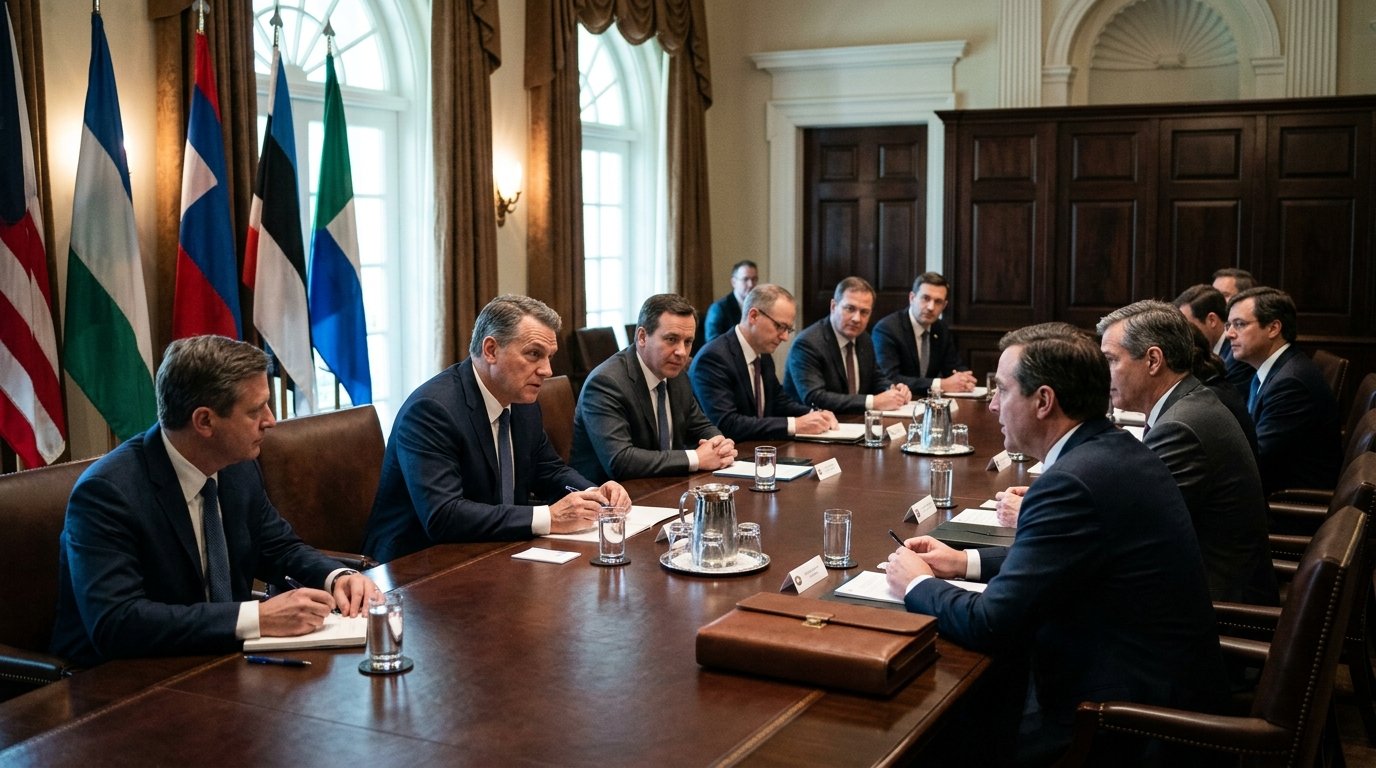
A direct meeting between Donald Trump and Xi Jinping at the White House concluded without formal agreements on core geopolitical tensions. Diplomatic teams sought stable ties during high-level talks, yet stark divisions over regional security and commerce remain firmly in place across both governments.
Key Takeaways
- Bilateral talks in Washington focused on stabilizing communication between the two superpowers.
- Deep policy divisions over Taiwan, global trade tariffs, and Middle East diplomacy remain active.
- BBC News and Al Jazeera reported no immediate resolution on core economic disputes.
What Did the Washington Summit Actually Achieve?
Diplomatic envoys achieved their primary goal of establishing open communication channels between Beijing and Washington without conceding major strategic positions. The discussions allowed both administrations to set expectations directly, reducing the immediate risk of sudden diplomatic escalation while keeping existing commercial and regional policies fully intact across both sides.
BBC China correspondent Laura Bicker reported that both leadership teams treated the visit as a test of operational stability. Maintaining open bilateral dialogue prevents accidental escalation in contested waters and trade routes. Competing powers manage mutual friction without triggering severe economic disruptions by establishing routine diplomatic channels while defending domestic interests.
- Track diplomacy updates: Monitor official White House press releases for updates on future bilateral negotiation rounds.
Why Do Trade and Taiwan Disagreements Persist?
Persistent structural conflicts over trade barriers and the legal status of Taiwan prevented negotiators from signing substantial policy pacts. Beijing maintains its strict sovereignty claims over Taiwan, while Washington continues defense ties and enforces targeted economic restrictions against Chinese commerce, leaving no room for quick diplomatic compromises.
Al Jazeera reported that differences over trade policy, Taiwan, and Iran remained completely unresolved after the White House talks. Tariffs and supply chain scrutiny continue to dictate economic interactions between the two powers. In our experience, high-level summits rarely dissolve deep ideological and security standoffs in a single afternoon.
- Review export rules: Check current trade ministry circulars to understand existing bilateral tariff schedules.
How Does Middle East Policy Affect Bilateral Ties?
Diverging strategies regarding Middle East sanctions and Iranian diplomacy created additional friction during the White House summit discussions. While Washington tightens economic pressure on regional aviation and commerce, Beijing prefers continuous commercial ties, creating an ongoing dispute over international sanction enforcement between the two powers.
Pressure in the region continues as neighboring aviation hubs restrict Iranian flights under American sanction rules. Iranian President Masoud Pezeshkian stated that Tehran wants Washington to return to their Memorandum of Understanding by early November. These conflicting foreign policy goals complicate US-China security discussions on global energy corridors.
- Follow diplomatic deadlines: Watch for international responses ahead of the November negotiation timeline.
FAQ
Where did the meeting between Donald Trump and Xi Jinping take place?
The two leaders met at the White House in Washington, DC, to discuss bilateral relations. Both delegations used the official venue to outline their primary economic priorities, discuss regional security concerns, and attempt to stabilize diplomatic relations following months of heightened global tensions.
Were any formal agreements reached on international trade tariffs?
No formal pacts or trade agreements were finalized during the summit. Reporting from Al Jazeera confirmed that core disagreements surrounding tariffs, technology transfer rules, and broader bilateral trade measures remain unresolved between the American administration and Chinese leadership.
What were the main geopolitical issues addressed during the bilateral talks?
The discussions centered on maintaining bilateral stability while managing long-standing conflicts over Taiwan's security status, Middle Eastern foreign policy, and ongoing trade friction. Both sides maintained their existing strategic positions throughout the formal White House meetings.
Bilateral relations between Washington and Beijing will require careful monitoring as economic policies and regional security issues evolve over the coming months.
Stay informed with accurate, up-to-date global news coverage.
Sources
- Trump-Xi summit: Four key takeaways from the Washington, DC, meeting (Al Jazeera – Breaking News, World News and Video from Al Jazeera): https://www.aljazeera.com/news/2026/9/24/trump-xi-summit-four-key-takeaways-from-the-washington-dc-meeting?traffic_source=rss