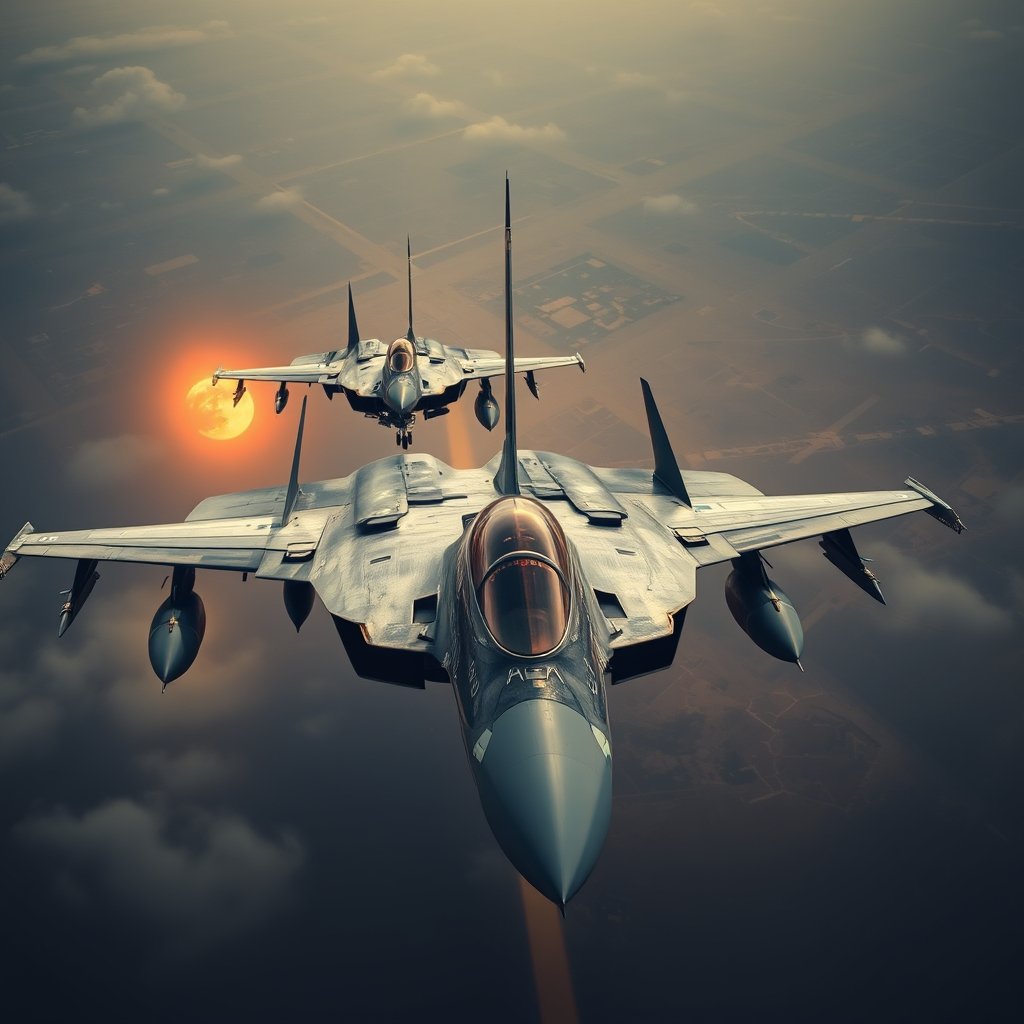
Russia delivered 12 fighter jets to Ethiopia while pledging additional air defense systems to the country. According to reporting from The New York Times in October 2026, Ethiopian officials confirmed the transfer, which immediately renewed fears of escalating regional hostility. This military influx alters defensive postures across the Horn of Africa.
Key Takeaways
- Ethiopian officials verified the direct delivery of 12 Russian fighter jets.
- Moscow committed to supplying dedicated air defense systems to Ethiopian forces.
- Tigray rebels face a substantially expanded federal air combat fleet.
- Weapon transfers raise urgent security concerns across the wider Horn of Africa.
What did Russia deliver to Ethiopian armed forces?
Ethiopian officials confirmed that Russia delivered 12 fighter jets to bolster federal air capabilities, as reported by The New York Times in October 2026. Moscow also agreed to supply integrated air defense systems. These weapons provide immediate air superiority, faster surveillance operations, and enhanced deterrence against rebel factions.
Military transfers of this scale give central authorities command of local airspace. Jet fighters conduct rapid long-range patrols and deploy strikes against ground formations before regional forces can react. In our experience with international arms monitoring, introducing advanced combat aircraft tilts tactical balances and compels opposing commanders to rethink their defensive positions.
- Monitor shipment schedules: Track official diplomatic statements regarding the arrival timetable of the promised air defense systems to gauge operational readiness.
How do incoming air defense systems alter regional dynamics?
Air defense systems shield critical state infrastructure and deny hostile craft access to sovereign airspace. By coupling modern surface-to-air hardware with newly arrived combat jets, Ethiopia constructs an aerial protective shield. This defensive umbrella minimizes vulnerability to cross-border strikes and secures national command centers against sudden aerial offensives.
Surface-to-air hardware projects an exclusion zone that restricts regional flight paths. Anti-air networks deny potential adversaries free movement across bordering airspace. We've found that when a government secures its skies, adjacent authorities worry about unchecked offensive operations on the ground. Can existing diplomatic mechanisms prevent rapid military escalation across adjacent borders?
- Assess defensive capabilities: Review security alerts and regional flight advisories whenever nations activate modern anti-aircraft batteries near border corridors.
Why does this military transfer heighten risks in Tigray?
Renewed air power directly threatens rebel units in Tigray by granting federal forces swift reconnaissance and deep strike reach. Ground forces alone struggle across rugged northern terrain, but fighter aircraft bypass natural geographical obstacles. This technological disparity raises fears that federal authorities might abandon negotiations in favor of decisive military intervention.
Rebel forces rely heavily on remote mountain redoubts to organize movements and avoid detection. Strike aircraft compromise those hideouts through persistent aerial surveillance and prompt bomb delivery. In our experience, rebel groups confronted with disproportionate air power often resort to dispersed defensive tactics, increasing instability throughout the Horn of Africa.
- Track conflict indicators: Observe regional humanitarian bulletins and peace committee updates to detect early shifts from diplomatic talks to active combat operations.
FAQ
When did Ethiopia receive the 12 Russian fighter jets?
Ethiopian officials confirmed the arrival of 12 Russian fighter jets in an announcement covered by The New York Times in October 2026. Deliveries occurred amid heightened friction between central government forces and Tigray rebels, intensifying widespread concern about security throughout the Horn of Africa.
What specific equipment did Russia agree to deliver?
Russia delivered 12 fighter aircraft to Ethiopia and finalized arrangements to send air defense systems. The combined transfer provides both aerial combat power and protective ground-to-air coverage. These assets strengthen federal control over national airspace while limiting aerial threats from regional rivals or insurgent factions.
How does the arms shipment affect the Tigray conflict?
The acquisition of modern fighter aircraft and missile systems shifts tactical strength toward the Ethiopian military. Rebels in Tigray face heightened risks of aerial surveillance and precision strikes, which diminishes their defensive advantages in rough mountain terrain and complicates ongoing regional efforts to maintain peace.
The arrival of Russian combat aircraft and surface-to-air hardware reshapes defense realities across the Horn of Africa. As federal authorities assimilate 12 new fighter jets into active duty, regional leaders must choose between competitive rearmament and reinvigorated diplomatic dialogue.
Stay informed with accurate, up-to-date global news coverage.
Sources
- What to Know About Fighting Between Ethiopia and Rebels in Tigray (NYT > World News): https://www.nytimes.com/2026/10/02/world/africa/ethiopia-tigray-conflict.html