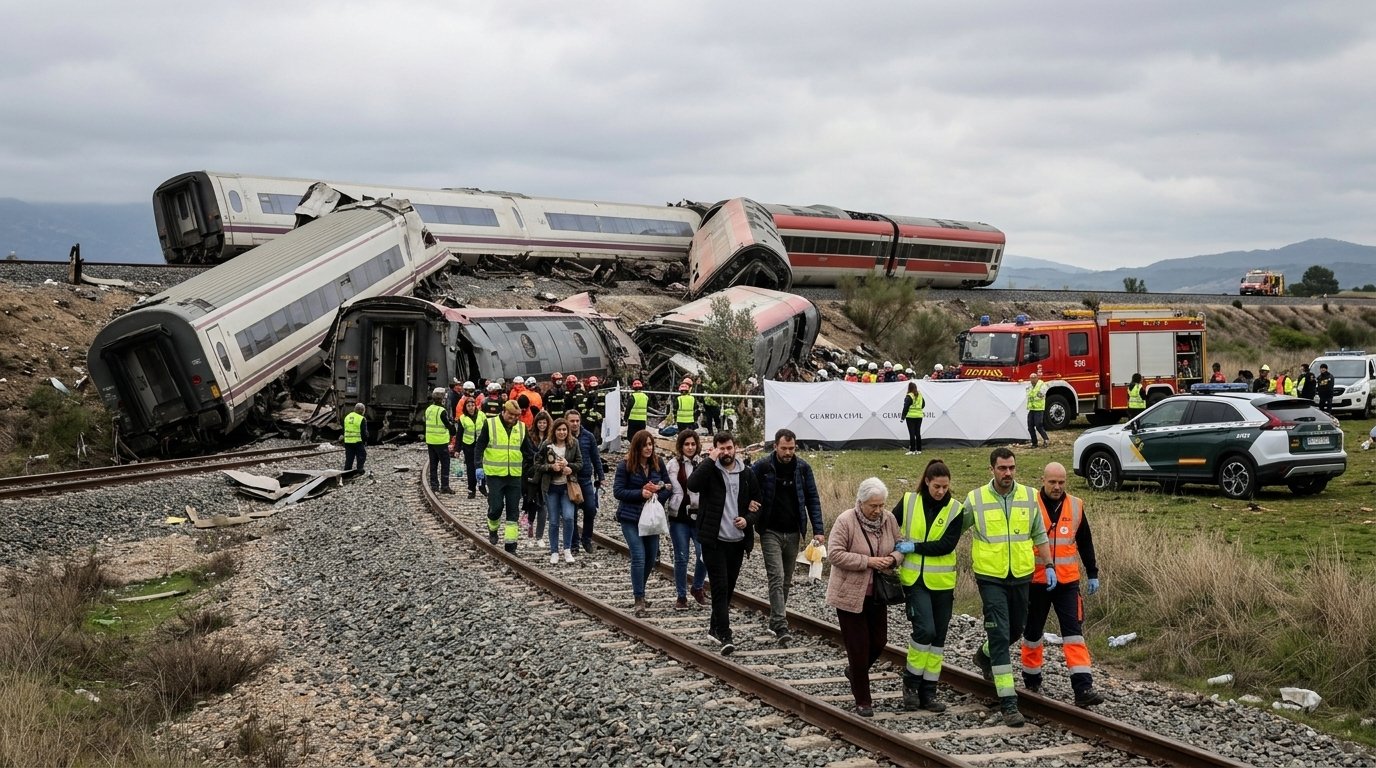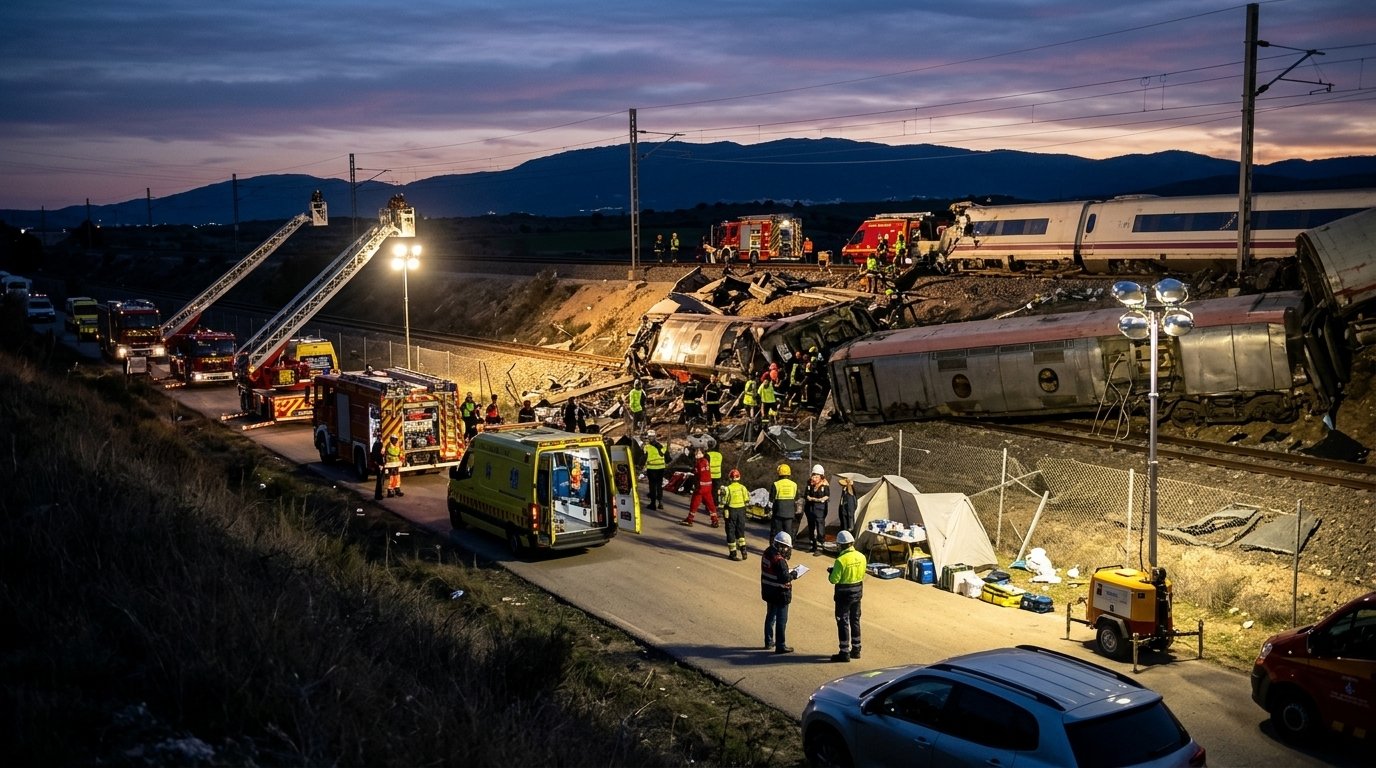
Newly uncovered audio recordings indicate that rail traffic controllers cleared a high-speed train onto an active track directly behind a stalled convoy before a fatal collision in Spain. Reported by BBC News, the audio transmissions capture the critical moments between the dispatch center and the train drivers prior to the crash.
Key Takeaways
- Newly released audio shows controllers cleared a high-speed train toward a stalled convoy in Spain.
- Transmissions between the control centre and train drivers confirm the high-speed locomotive received movement authorization.
- Inquiries now focus on operational protocols that permitted entry into an occupied section of track.
What Do the Rail Audio Recordings Reveal?
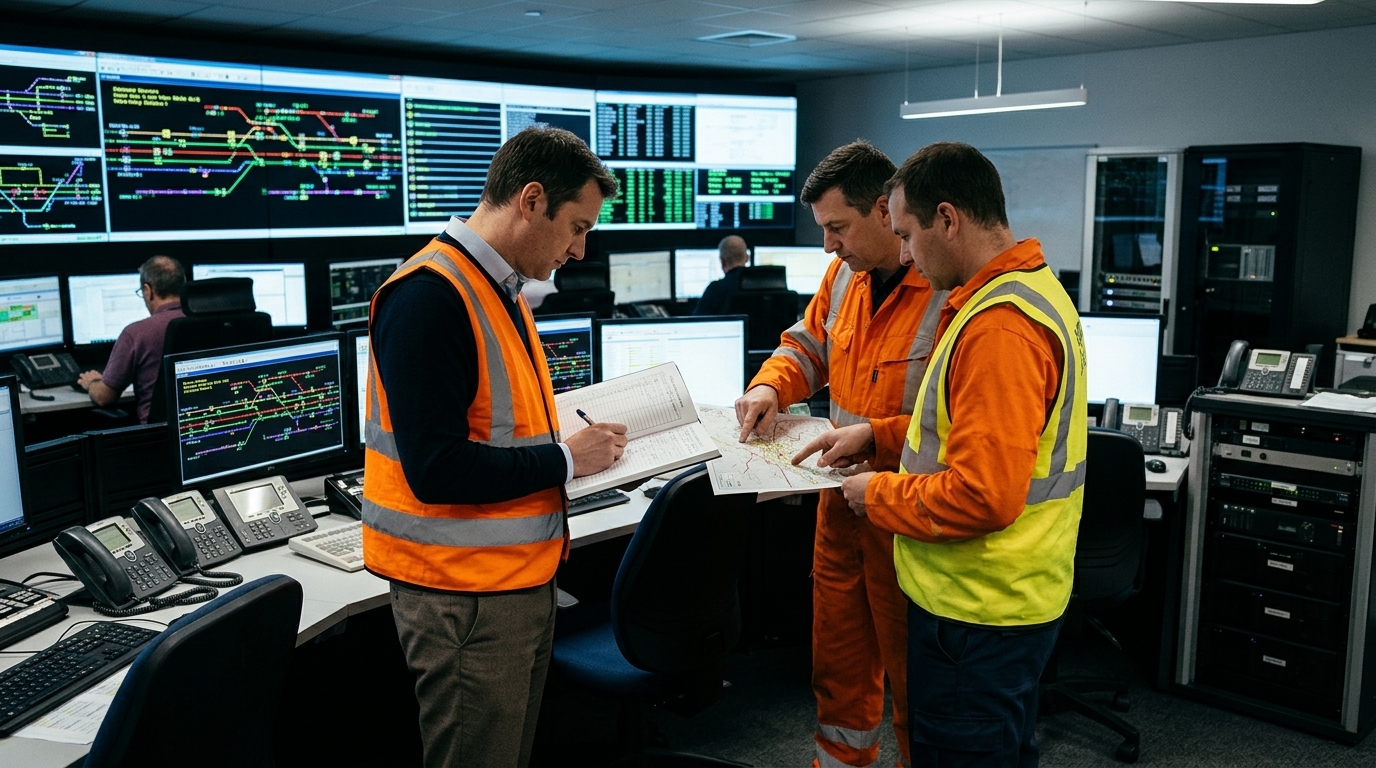
The audio recordings reveal that a control centre authorized a high-speed train to proceed down a line where another convoy had already stalled. According to reporting from BBC News, these official dispatches document direct verbal coordination between operators and drivers right before the deadly impact took place in Spain.
When a stalled train stops on an active line, dispatchers must establish an exclusion zone to stop trailing traffic. If a controller issues movement clearance anyway, the following driver accelerates under the belief that the route ahead remains clear. That mistake eliminates the required stopping distance between high-speed convoys.
- Monitor transit notices: Check national rail agency bulletins for route cancellations or safety audits before traveling on regional high-speed corridors.
Why Did the Clearance Override Safety Checks?
Safety checks failed because verbal clearance from the control centre bypassed normal automated separation between consecutive passenger convoys on the rail corridor. Human dispatch decisions can override standard signal pauses during disruptions, which leaves train drivers entirely dependent on inaccurate status updates from controllers managing congested sections of track.
In our experience, rail safety relies on strict mechanical redundancy where electronic blocks halt oncoming traffic automatically. When staff manage a stalled train, communication errors can lead operators to assume a block is vacant. Drivers cannot visually spot stationary obstacles in time at high cruising speeds.
- Review carrier advisories: Request written documentation from transport operators regarding emergency protocol adjustments following critical track incidents.
What Changes Follow the Spain Train Investigation?
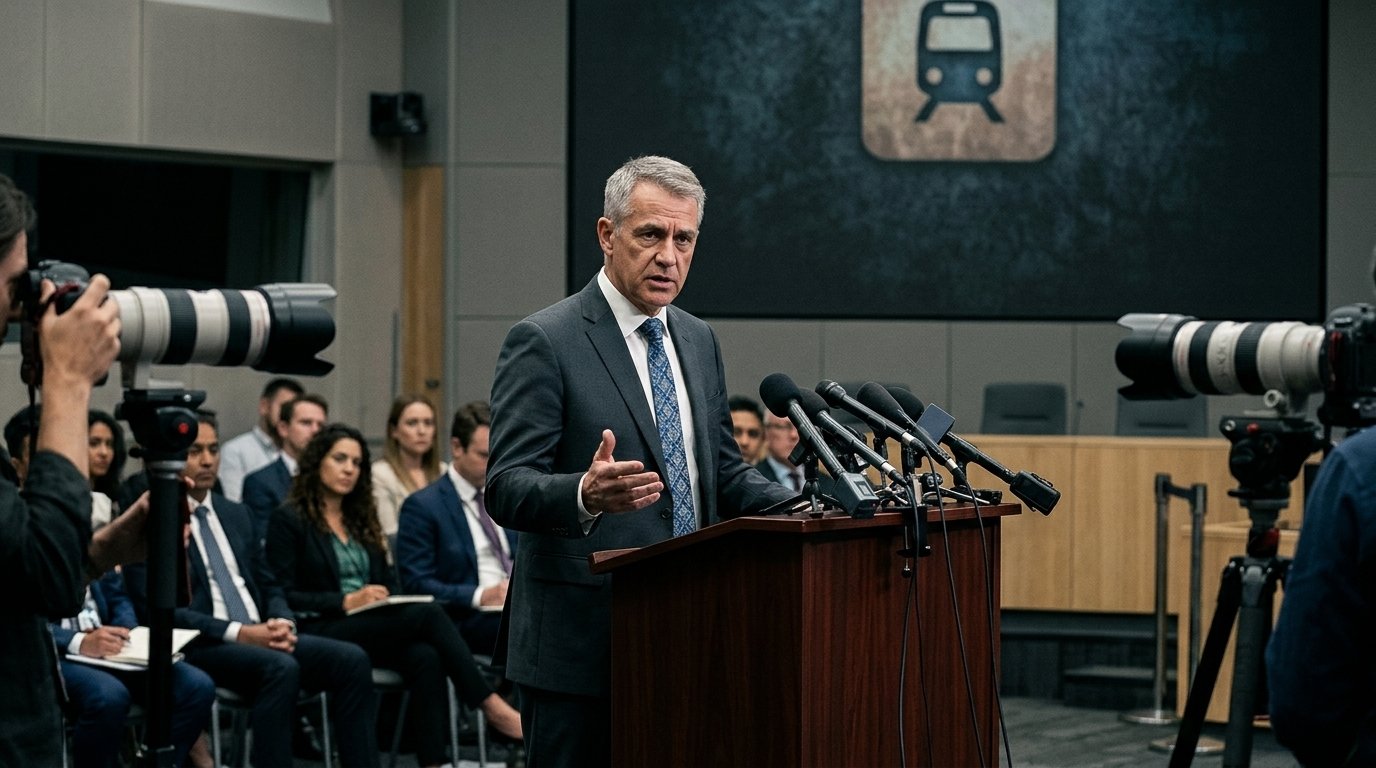
The investigation will enforce tighter verification protocols between central dispatchers and train drivers across the entire high-speed rail network. Official inquiries reported by BBC News focus directly on how clearance protocols permitted two trains into the same sector, prompting immediate procedural audits to eliminate conflicting instructions during unscheduled line stoppages.
Regulatory authorities review radio logs and controller telemetry to reconstruct the decision chain. That data forces rail managers to restrict verbal overrides and implement mandatory digital confirmations before any train enters a contested section. We expect transport oversight bodies to mandate dual-authorization rules for all stopped convoy scenarios.
- Track safety directives: Follow updates from regional transport ministries to identify operational changes on passenger rail lines.
FAQ
What did the newly released rail audio show?
The audio recordings revealed that rail control operators gave clearance for a high-speed train to advance along a track section where another train had stalled, according to reporting from BBC News. This verbal instruction allowed the moving train to enter the sector before the deadly crash occurred.
Why was clearance given to the moving train?
Transmissions indicate that dispatchers authorized movement despite the stationary convoy ahead on the same route. Investigators are examining whether miscommunication between control center personnel or unverified tracking data led controllers to believe the line was clear before issuing the fatal clearance to the driver.
How do rail operators avoid conflicting track clearances?
Rail operators prevent conflicting clearances by combining automated block signaling systems with rigid verbal confirmation protocols. When a train stalls unexpectedly, controllers must verify track clearance electronically before dispatchers grant manual permission for any following train to enter that specific operational block.
As investigators analyze the audio evidence, railway authorities face renewed pressure to modernize dispatch safety rules and eliminate manual override errors across passenger networks.
Stay informed with accurate, up-to-date global news coverage.
Sources
- Audio reveals exchanges between control centre and drivers before deadly Spain train crash (BBC News): https://www.bbc.co.uk/news/articles/cmqxnl312v34o?at_medium=RSS&at_campaign=rss