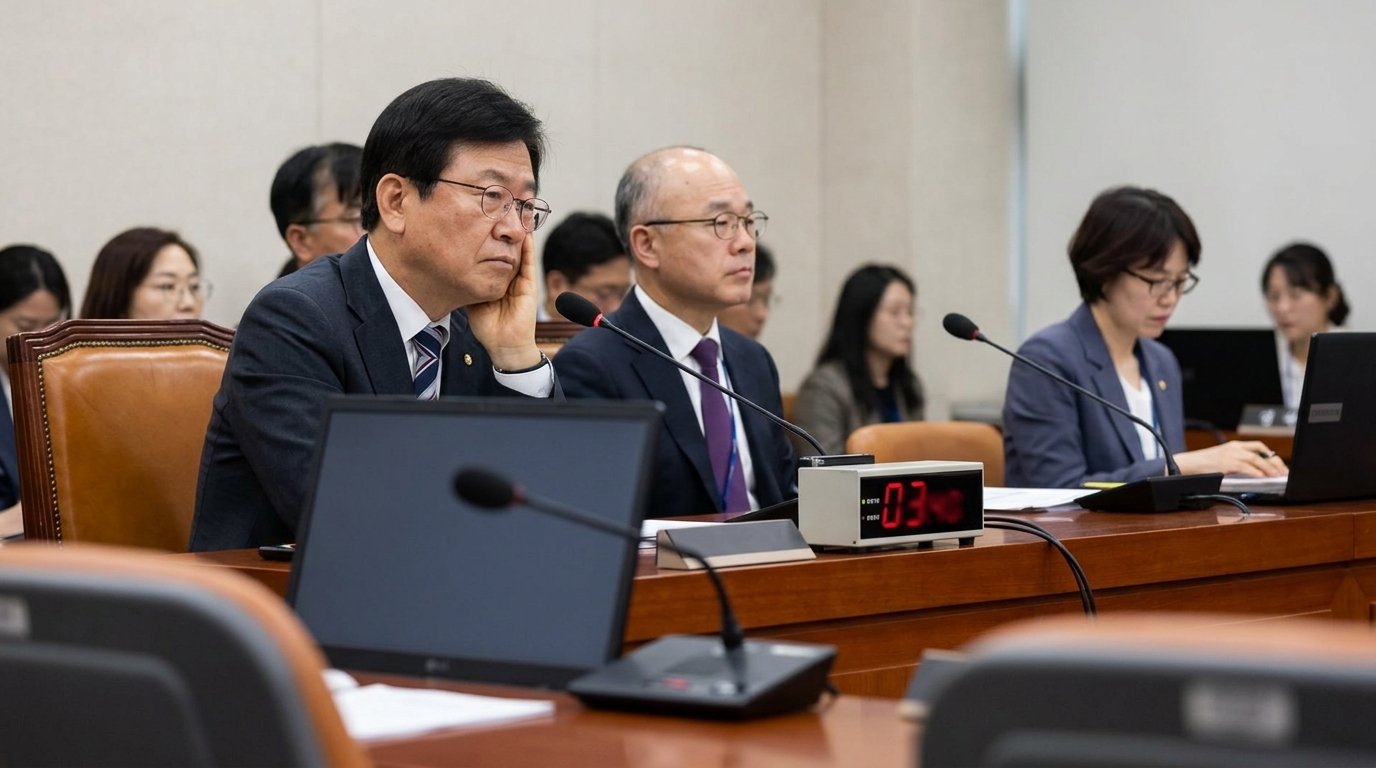
South Korea Education Minister Choi Kyo-jin resigned after hasty policies designed to counter artificial intelligence cheating threw the national college entrance exam into disarray. The sudden enforcement created widespread confusion among students on test day. As reported by BBC News, Choi accepted direct responsibility for the crisis.
Key Takeaways
- South Korea Education Minister Choi Kyo-jin resigned following intense public backlash over disruptive testing rules.
- Officials announced new anti-cheating protocols just two days before the college entrance examination.
- The emergency measures mandated sudden eyeglass inspections and loud phone alerts, disrupting student concentration.
What Prompted Choi Kyo-jin to Step Down?
Choi Kyo-jin resigned because emergency exam regulations triggered immediate operational turmoil across test centers. The ministry rolled out aggressive anti-cheating checks without sufficient preparation time. When parents and students expressed outrage over the disruptions, Choi admitted that the state's eleventh-hour intervention caused unnecessary administrative chaos.
The controversy peaked when officials tried to block modern tech abuses on short notice. According to reporting from The New York Times, administrators introduced the new mandates two days before the college entrance exam. That timeline left proctors without clear guidance and surprised candidates who expected established testing protocols.
Sudden policy shifts right before a career-defining test always create anxiety. When state leaders force untested operational burdens onto test-takers, accountability lands straight at the top. Choi stepped down to absorb that intense public fallout. How could any ministry expect a different outcome?
- Monitor policy alerts: Track ministerial guidance channels well before major tests so you can prepare for sudden rule adjustments.
Why Did Last-Minute Anti-AI Protocols Cause Severe Disruption?
The new rules caused severe disruption because they introduced physical intrusions and acoustic distractions directly into testing rooms. Enforcing unexpected checks broke student focus during critical test hours. By requiring loud mobile alerts and tactile eyeglass reviews, the education ministry turned a quiet evaluation environment into a stressful checkpoint.
The New York Times detailed that inspectors focused heavily on wearable technology, conducting detailed eyeglass inspections to detect concealed hardware. This mechanical check slowed admission queues and agitated nervous candidates. When you prepare for months, an invasive physical inspection right at your desk shatters your rhythm.
Simultaneously, administrators triggered loud phone alerts to ensure no active electronic signals remained hidden inside test halls. The piercing sounds startled examinees working against tight deadlines. Instead of quietly safeguarding integrity, the measures created intense noise and visible tension across examination centers.
- Verify allowed equipment: Check official equipment regulations beforehand to ensure personal items like prescription glasses meet supervisory standards.
How Will Exam Authorities Balance Integrity and Administration?
Future exam boards must design anti-cheating measures months in advance rather than improvising days before the test. Preserving academic honesty requires transparent guidelines that protect focus while deterring technological fraud. After this ministerial resignation, testing authorities will likely rely on non-intrusive security standards that respect the student environment.
Testing agencies face a difficult dilemma when digital tools evolve faster than school regulations. Transparent rules published at the start of the academic cycle prevent panic. In our experience, administrative stability matters more than hasty oversight. When officials act without consulting schools, how can students maintain their confidence?
Institutions cannot treat high-stakes examinations as testing grounds for experimental oversight. When officials introduce complex screening tools, invigilators require thorough operational training beforehand. Establishing stable procedures guarantees that security protects student merit rather than undermining years of hard preparation.
- Demand early notice: Urge educational boards to publish all security mandates months ahead of scheduled test dates.
FAQ
Why did South Korea's education minister resign?
Choi Kyo-jin stepped down after facing immense public backlash over chaotic anti-cheating measures. The ministry announced sudden rules to prevent artificial intelligence abuse just two days before the college entrance exam, causing severe administrative disruption. Choi took personal responsibility for the mismanaged rollout.
What specific anti-cheating rules caused public anger?
The government ordered unexpected eyeglass inspections and triggered loud mobile phone alerts inside test centers. As reported by The New York Times, parents and students criticized these sudden tactics for shattering concentration and creating unnecessary stress during an intense national examination.
When were the new testing protocols announced to students?
Educational authorities announced the anti-cheating measures two days before the college entrance exam took place. This abrupt timeline gave test-takers and invigilators almost no time to adapt, which directly fueled widespread public frustration and prompted the education minister's resignation.
Education ministries worldwide now face an urgent warning as artificial intelligence challenges traditional assessment formats. Integrity matters, but preserving a stable, calm testing room remains just as essential for every student striving to prove their merit.
Stay informed with accurate, up-to-date global news coverage.
Sources
- South Korea’s Education Minister Resigns Over Anti-A.I. Cheating Rules (NYT > World News): https://www.nytimes.com/2026/11/22/world/asia/korea-csat-exam-ai-cheating.html