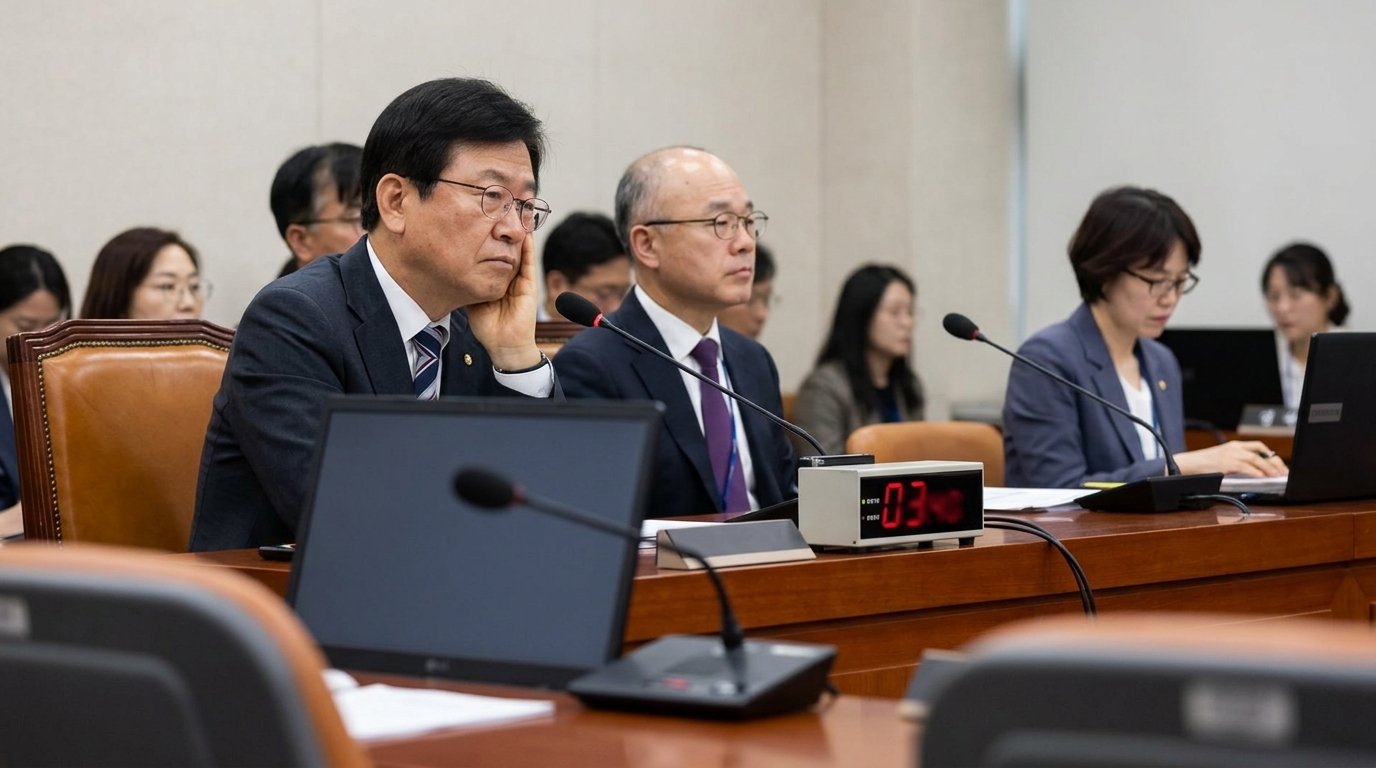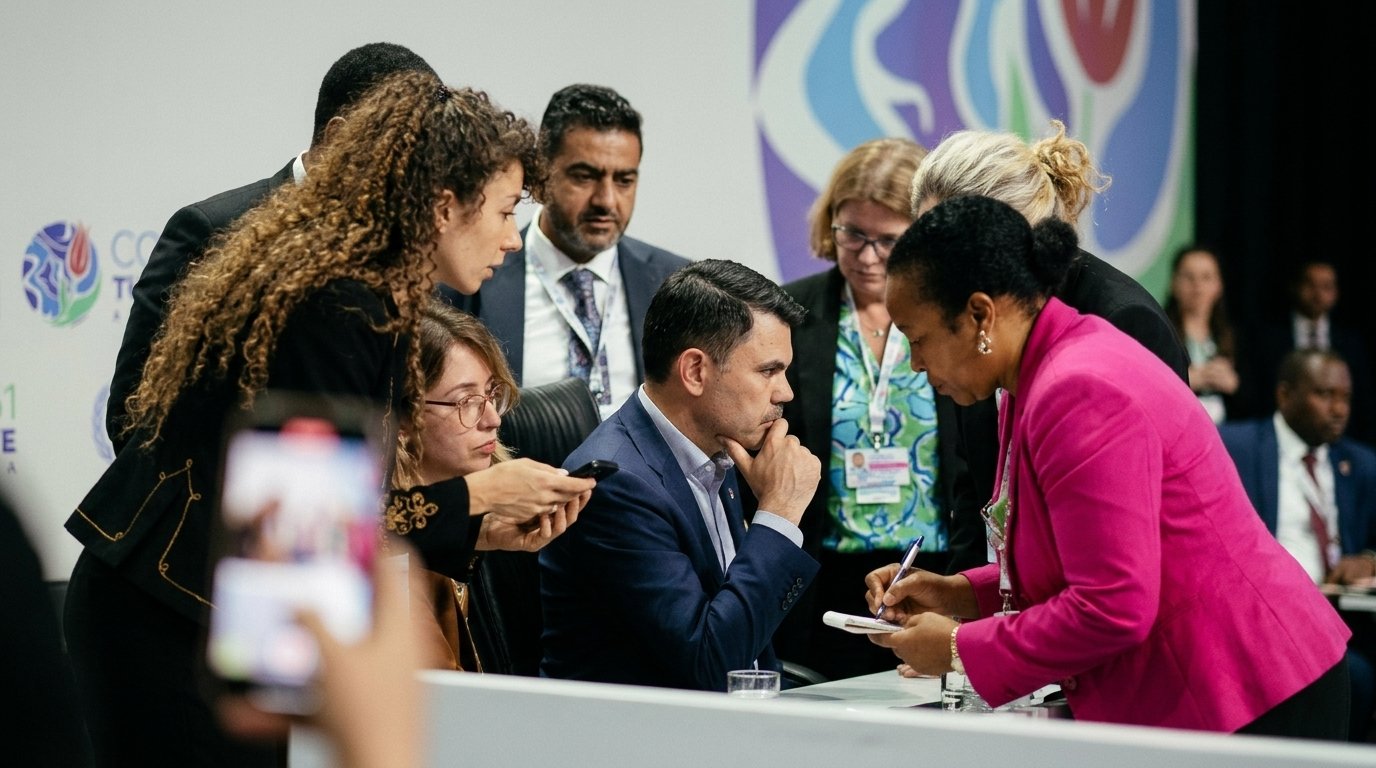
Negotiators at the UN COP31 climate conference in Turkey have pushed deliberations into a second day of overtime. BBC News reported that officials introduced a new draft agreement to stop the summit from ending in complete breakdown. The extended timeline reflects deep divisions between participating governments as they attempt to establish shared commitments.
Key Takeaways
- The UN COP31 conference in Turkey entered a second day of unscheduled overtime after nations failed to settle disputed language on schedule.
- Presiding officials released a revised draft agreement designed to bridge divisions and keep talks from collapsing entirely.
- BBC News confirmed that delegates remain locked in prolonged negotiations as opposing country blocs debate final commitments.
Why Did the COP31 Talks Enter a Second Day of Overtime?
The COP31 summit entered an unscheduled second day of overtime because negotiating parties reached an impasse over the final text. BBC News reported that national delegations could not agree on joint commitments during scheduled sessions, forcing diplomats to extend formal deliberations in Turkey until they could resolve conflicting positions.
International climate meetings require unanimous consensus among attending countries before delegates can adopt any official text. When governments raise formal objections to proposed terms, plenary sessions halt while drafting committees work behind closed doors to rewrite disputed clauses. This consensus mechanism routinely delays closing ceremonies when states defend competing economic priorities.
- Monitor plenary sessions: Check official conference streaming channels to see when the host presidency calls the final plenary gavel.
How Does the New Draft Text Prevent a Diplomatic Breakdown?
The revised draft text prevents collapse by modifying contentious language to give opposing factions an acceptable compromise. Rather than sticking to initial proposals that provoked deadlock, the conference leadership in Turkey introduced adjusted terms that address member states' objections while preserving the core framework of the negotiations.
Draft revisions function by replacing rigid obligations with flexible wording that diverse national legal systems can accommodate. When a draft faces widespread rejection, mediators remove conflicting clauses or insert conditional terms. This rewording allows stubborn delegations to claim victory domestically while keeping the multilateral process intact.
- Review text updates: Track the United Nations climate website to download each draft revision as soon as conference organizers publish it.
What Happens if Countries Fail to Reach an Agreement?
If participating states fail to reach an agreement in Turkey, the summit adjourns without adopting an official declaration. That outcome halts formal implementation tracks and defers contentious issues to subsequent working group sessions, leaving international climate targets in administrative uncertainty until parties reconvene at the next scheduled gathering.
Collapse at a UN summit weakens multilateral credibility and delays coordinated policy implementation across member states. When talks stall without consensus, previous agreements remain legally binding, but newer collective initiatives pause indefinitely. Delegations then return home to prepare for interim technical negotiations rather than executing new mutual commitments.
- Track bilateral pledges: Follow direct announcements between regional government groupings to see which nations advance joint policies independently of the global treaty.
FAQ
Where is the COP31 climate summit taking place?
The COP31 UN climate meeting is taking place in Turkey, where delegates from participating nations have gathered to negotiate multilateral commitments. Deliberations ran past their scheduled conclusion into a second day of overtime as negotiators struggled to bridge persistent disagreements over proposed treaty text.
Why do UN climate conferences often run into overtime?
UN climate summits operate on strict consensus rules, meaning any single national delegation can block a final accord by voicing a formal objection. Reaching total unanimity requires exhausting line-by-line textual debate, which frequently drives formal plenary discussions beyond their official deadlines.
What is the role of a revised draft text in climate diplomacy?
A revised draft text serves as an editorial compromise crafted by summit leaders to reconcile opposing state viewpoints. By rewriting divisive paragraphs into mutually acceptable phrasing, the document gives deadlocked parties a realistic path to adopt a common agreement before talks dissolve.
Prolonged overtime sessions at global summits underline the immense difficulty of balancing national interests against shared planetary responsibilities. As diplomats in Turkey review the latest compromise text, the ultimate success of the gathering depends on whether delegates accept practical accommodations over procedural stalemate. Stay informed with accurate, up-to-date global news coverage.
Sources
- New draft deal aims to avert collapse of talks at climate summit (BBC News): https://www.bbc.co.uk/news/articles/cq7827z2841zo?at_medium=RSS&at_campaign=rss