
Negotiators at the COP31 summit in Antalya failed to secure a deal despite holding the longest-running climate talks in United Nations history, BBC News reported. Disagreements between national delegations exhausted the scheduled calendar and forced talks into overtime. When consensus failed, the conference concluded without an agreement.
Key Takeaways
- The Antalya conference became the longest climate summit in United Nations history.
- Delegations departed COP31 without adopting an approved final negotiated agreement.
- Procedural consensus requirements permitted isolated national objections to block shared text.
- Domestic and regional policies must now determine international emissions targets.
Why did the Antalya negotiations set a historic duration record?
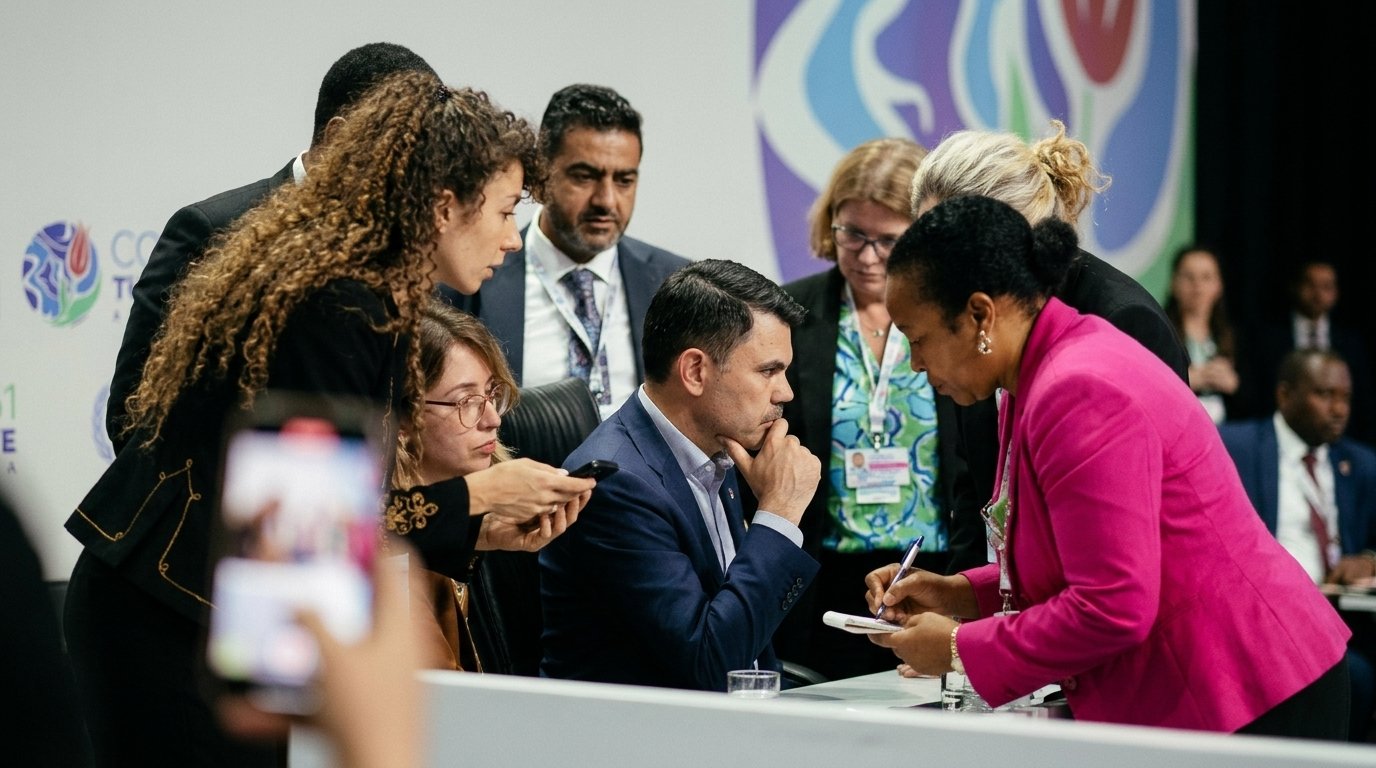
Delegations pushed COP31 beyond prior duration records because deep disputes over emissions timelines blocked every draft text. The summit in Antalya became the longest-running climate talks in UN history, as reported by BBC News, after diplomats worked through continuous plenary extensions trying to resolve stubborn political disagreements.
Major diplomatic summits frequently slide into historic overtime when national mandates collide. In our experience, multi-party talks stall when economic priorities clash with global goals. National envoys continued closed-door negotiations past normal limits because no government wanted responsibility for a public collapse.
United Nations rules require complete unanimity to approve formal declarations. That standard grants every delegation effective veto power over the text. When member nations defend domestic industries against external targets, negotiations drag on until exhaustion replaces genuine diplomacy.
- Track national targets: Monitor your domestic ministry regulations directly rather than waiting for unified international treaties.
How does the United Nations consensus model force diplomatic collapse?
United Nations climate negotiations require absolute consensus across every participating country, meaning a single unresolved objection halts an entire treaty. Because each delegation holds equal procedural power regardless of population or economy, conflicting national interests routinely paralyze compromise. At COP31, that structural hurdle prevented any final declaration.
International treaties face severe hurdles when conflicting national mandates share equal procedural authority. We've found that consensus rules force delegates to weaken draft language until agreements lose practical force. When nations reject watered-down phrasing, the process breaks down completely.
Economic competition encourages countries to postpone domestic transitions while demanding immediate action from trading partners. Without majority voting or statutory enforcement mechanisms, international assemblies remain vulnerable to persistent diplomatic impasses.
- Diversify compliance strategies: Align corporate emissions goals with enforceable regional laws instead of stalled multilateral pacts.
What comes next for international climate policy after the breakdown?
Global climate policy now shifts away from centralized international declarations toward regional frameworks, bilateral pacts, and national legislation. Following the breakdown of COP31 in Antalya, sovereign governments must establish their own industrial targets instead of waiting for a United Nations umbrella treaty to coordinate shared commitments.
The failure of global negotiations does not remove climate obligations for cross-border businesses. Regional trade blocs enforce carbon standards and green supply rules independently. Companies relying on global consensus must now prepare for a divided regulatory environment across different markets.
Market demand and localized statutory standards will shape future clean investment strategies. Rather than waiting for another extended international gathering, regional policymakers are passing targeted domestic measures. Organizations should evaluate exposure across individual jurisdictions.
- Audit cross-border exposure: Review your operational supply chains against regional import rules rather than multilateral summit declarations.
FAQ
What made COP31 the longest summit in United Nations history?
Negotiators at COP31 in Antalya held unprecedented overtime plenary sessions trying to settle national differences, BBC News reported. The conference ran longer than any prior climate summit in United Nations history because delegates repeatedly extended schedules to prevent a collapse before finally admitting deadlock.
Where did the COP31 climate conference take place?
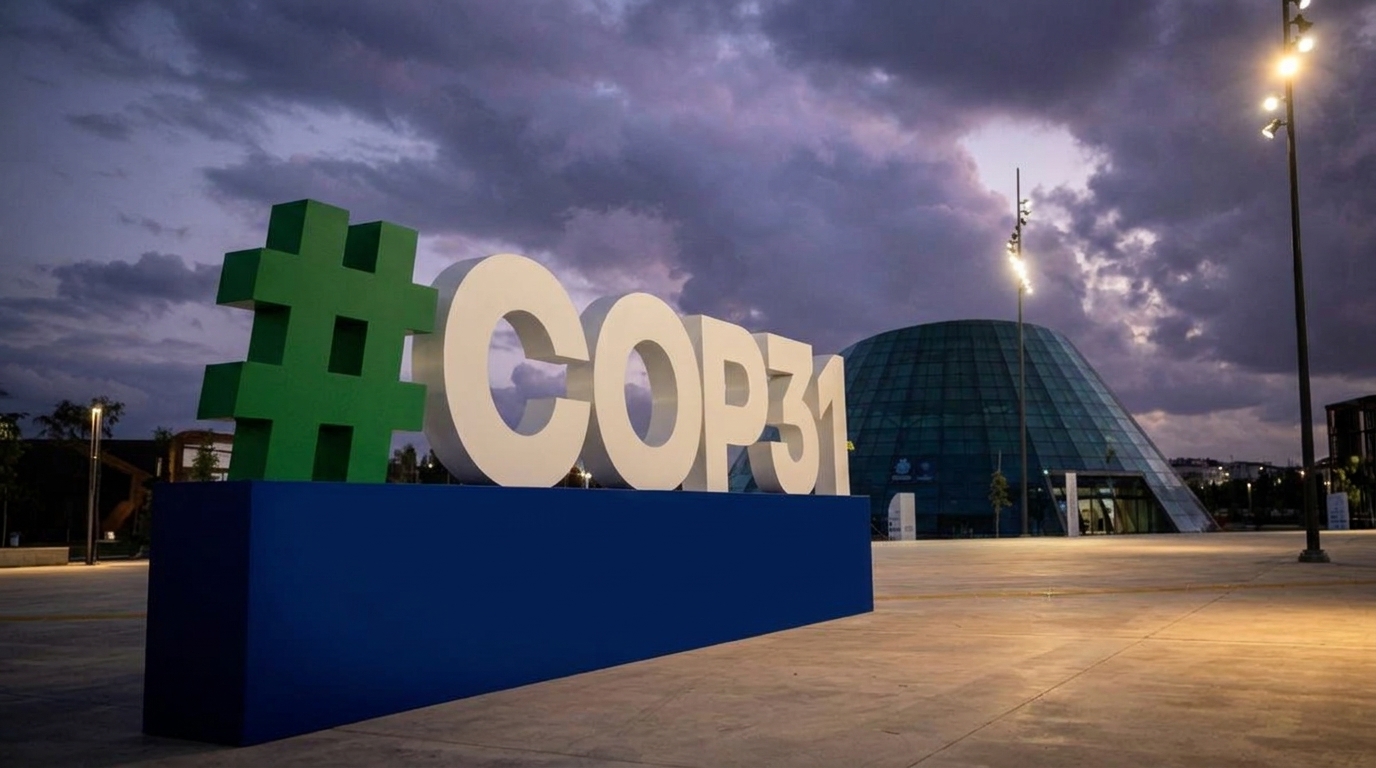
The COP31 summit took place in the coastal city of Antalya, bringing international delegations together under United Nations auspices. The venue hosted weeks of intense negotiations, high-level plenary sessions, and emergency late-night working groups until delegates concluded the gathering without adopting a formal consensus agreement.
Why did delegates leave the Antalya conference without an agreement?
Delegates departed without an agreement because United Nations procedures require unanimous approval from all member states. Conflicting economic priorities between national delegations could not be reconciled into an acceptable joint text, leaving conference organizers with no choice but to conclude the summit without an approved declaration.
Diplomatic gridlock at international summits demonstrates the severe limits of consensus-based global decision-making. As multilateral assemblies struggle to reach agreement, real progress depends on domestic statutory mandates and targeted regional partnerships. Tracking localized regulatory actions will provide the clearest view of future international climate progress.
Stay informed with accurate, up-to-date global news coverage.
Sources
- Five takeaways from the failed climate talks COP31 (BBC News): https://www.bbc.co.uk/news/articles/cm75237wlp3lo?at_medium=RSS&at_campaign=rss