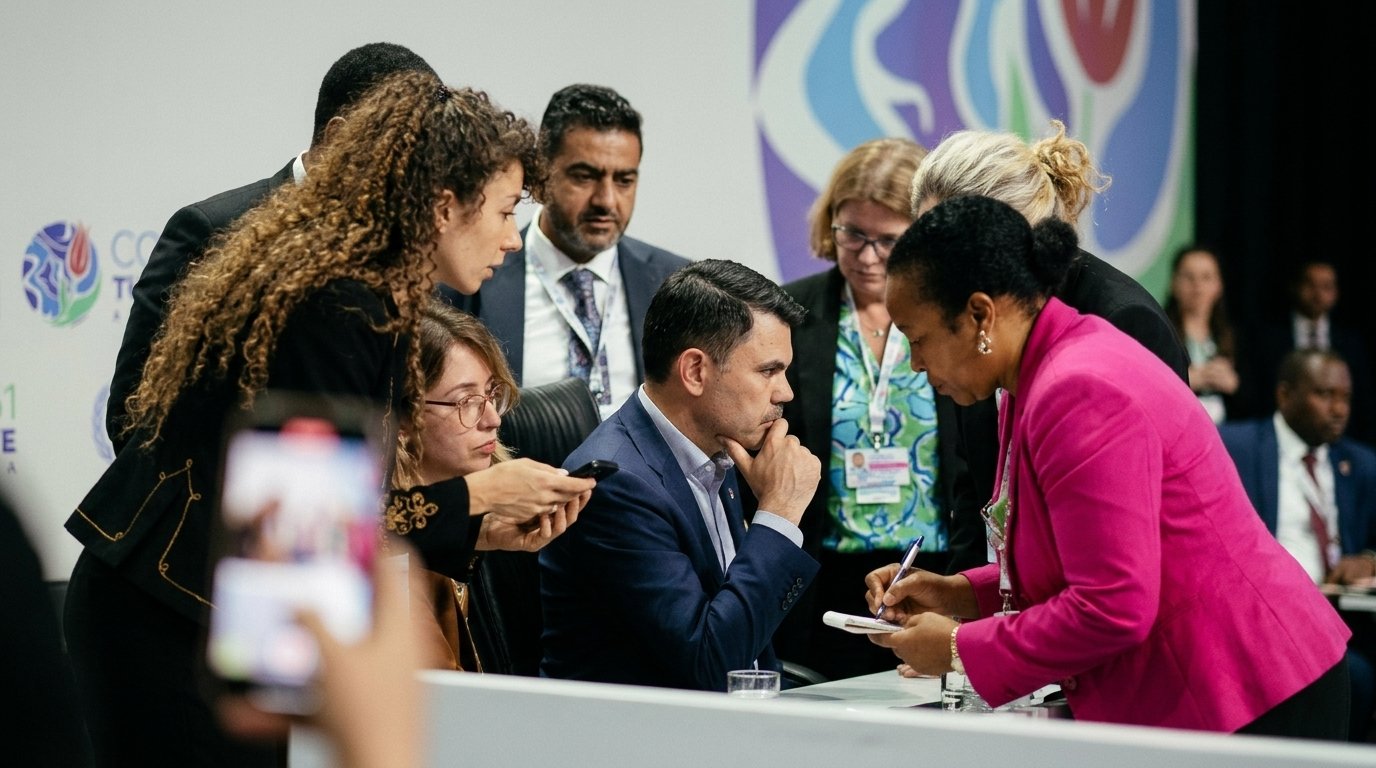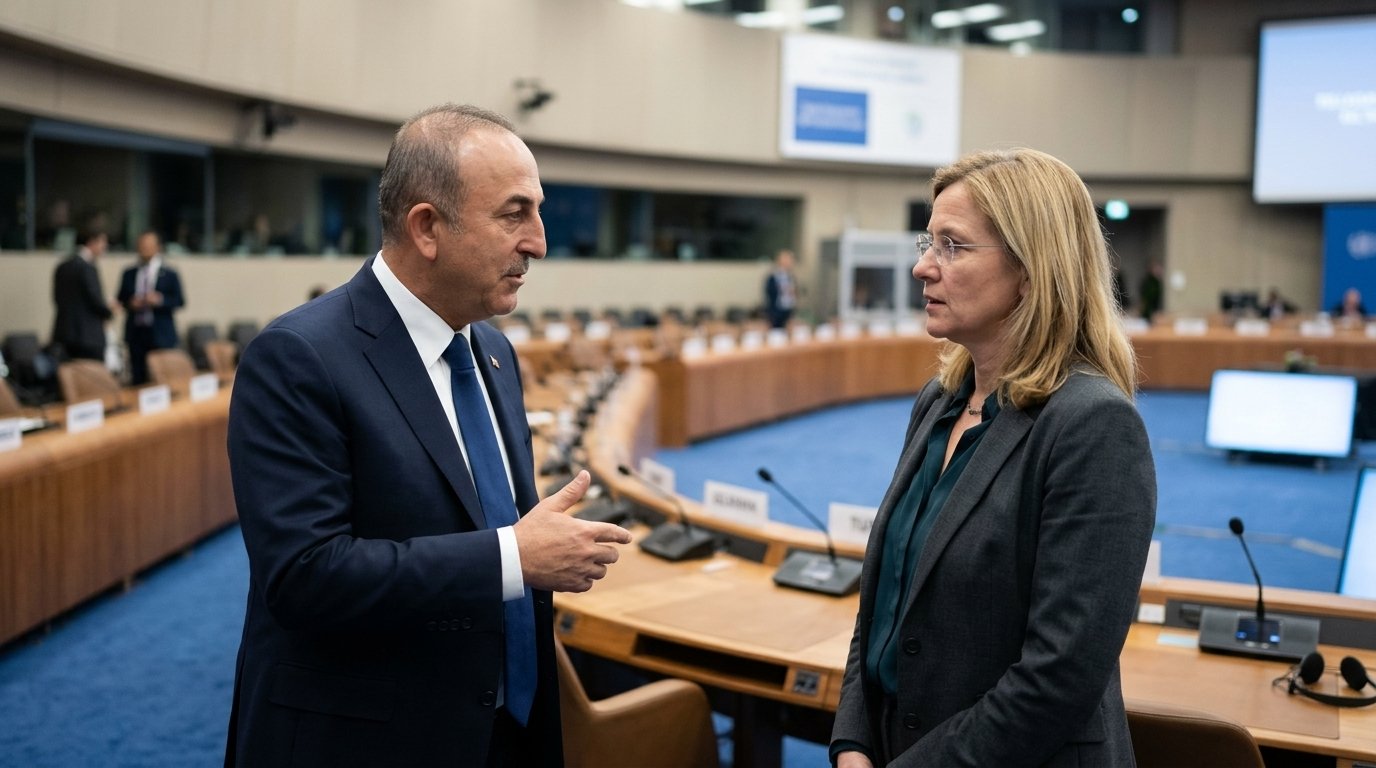
The COP31 climate conference in Turkey ended in formal collapse after participating nations failed to secure a final negotiated text. BBC News reported that deep political divisions over the explicit mention of fossil fuels prevented governments from reaching consensus. This abrupt finish leaves international climate diplomacy facing significant operational hurdles.
Key Takeaways
- The COP31 summit in Turkey concluded without an agreement among participating nations.
- Disputes centered on whether to formally mention fossil fuels in the final text, according to BBC News.
- The lack of consensus halts unified international progress until subsequent multilateral rounds address unresolved policy points.
Why Did Negotiations Collapse at COP31?
Negotiations collapsed because participating countries refused to compromise on the formal inclusion of fossil fuels in the summit declaration. BBC News reported that the dispute created unbridgeable divisions among delegates, leaving organisers unable to assemble the unanimous support required under international treaty rules to adopt a binding final outcome.
Consensus decision-making requires every national delegation to accept the negotiated wording before an official agreement passes. When an impasse develops over primary energy terminology, the entire legal machinery stalls because single objections can halt draft proposals. Can global negotiations function effectively when absolute unanimity remains the procedural standard?
- Track draft language: Examine national policy positions before subsequent diplomatic sessions to anticipate future treaty deadlocks.
How Does the Fossil Fuel Dispute Divide Nations?
The fossil fuel dispute divides nations by pitting energy exporters against states demanding immediate, mandatory language targeting combustible resources. BBC News noted that arguments over directly naming fossil fuels triggered the failure, reflecting persistent tensions between countries dependent on mineral extraction revenues and regions facing severe environmental consequences from emissions.
Producers resist strict commitments that threaten domestic extractive industries and export earnings. Meanwhile, vulnerable territories argue that avoiding explicit terms weakens international targets and slows necessary energy transitions. In our experience, diplomatic texts falter whenever economic security directly collides with treaty terminology, creating rigid positions that no mediator can reconcile.
- Review energy regulations: Monitor domestic legislative calendars to see if individual countries introduce independent emission targets.
What Happens Next for Global Climate Policy?
Global climate policy now shifts toward informal bilateral agreements and intermediate diplomatic consultations rather than a unified multilateral treaty. BBC News questioned what follows the failed talks in Turkey, as officials must now regroup to determine whether future summits can salvage shared commitments without an adopted text.
Without a formal deal, individual governments retain discretion over national climate benchmarks without collective oversight. This regulatory uncertainty creates planning challenges for clean energy investments and cross-border environmental programs. Will regional coalitions step forward to establish binding commitments outside the universal treaty structure?
- Assess compliance targets: Update institutional risk strategies to manage diverging regional environmental rules and potential trade barriers.
FAQ
What was the official outcome of COP31 in Turkey?
The summit concluded without an adopted deal after participating governments failed to resolve deep political divisions. BBC News reported that delegations departed Turkey without consensus, meaning the conference ended without an agreed declaration or updated multilateral framework for international climate policy.
Why was mentioning fossil fuels so contentious?
Mentioning fossil fuels proved contentious because international agreements require full consensus across all participating delegations. BBC News highlighted that disagreements over this specific terminology blocked progress, as fossil-fuel-producing states resisted binding textual references that might compel swift domestic production phase-outs.
How will international climate diplomacy proceed without a deal?
Delegates must continue discussions through upcoming interim committee meetings and technical working groups to establish common ground. Because the summit concluded without a signed agreement, international negotiators will need to revisit contested energy language in future rounds to restore collective decision-making.
The failure to produce an accord in Turkey underscores the fragility of universal climate diplomacy. As governments assess the fallout from stalled negotiations, attention turns to how individual states handle transition policies without a global mandate.
Stay informed with accurate, up-to-date global news coverage.
Sources
- What's next after no deal at COP31 climate talks? (BBC News): https://www.bbc.co.uk/news/videos/cr1ewge81q4qo?at_medium=RSS&at_campaign=rss