
Authorities in Ethiopia and the Tigray region have traded accusations over fresh military offensives, sparking immediate fears of renewed warfare. According to reports from BBC News, regional authorities have seized control of Tigray's airports following recent drone strikes. This sudden military escalation threatens local stability and raises urgent concerns across the international community.
Key Takeaways
- Ethiopia and regional Tigray forces accuse each other of launching new military offensives.
- Local authorities seized control of Tigray's airports following reports of recent drone strikes.
- The sudden escalation fuels acute international fears of a renewed armed conflict.
Why are Ethiopia and Tigray exchanging accusations of new offensives?
Ethiopian authorities and Tigray regional leaders blame each other for initiating fresh military operations across disputed areas. BBC News reported that both sides point to localized assaults and troop movements, creating a severe breakdown in communication that threatens to pull civilians back into active hostility.
Drone strikes reportedly hit regional positions, prompting local commanders to secure strategic transit hubs. When communication collapses between central governments and regional administrations, mutual suspicion accelerates rapid mobilization. The absence of verified monitoring mechanisms allows small skirmishes to turn into broader territorial confrontations.
- Monitor official channels: Track verified government briefings and regional announcements for updates on localized security developments.
What does the seizure of Tigray's airports signal for the region?
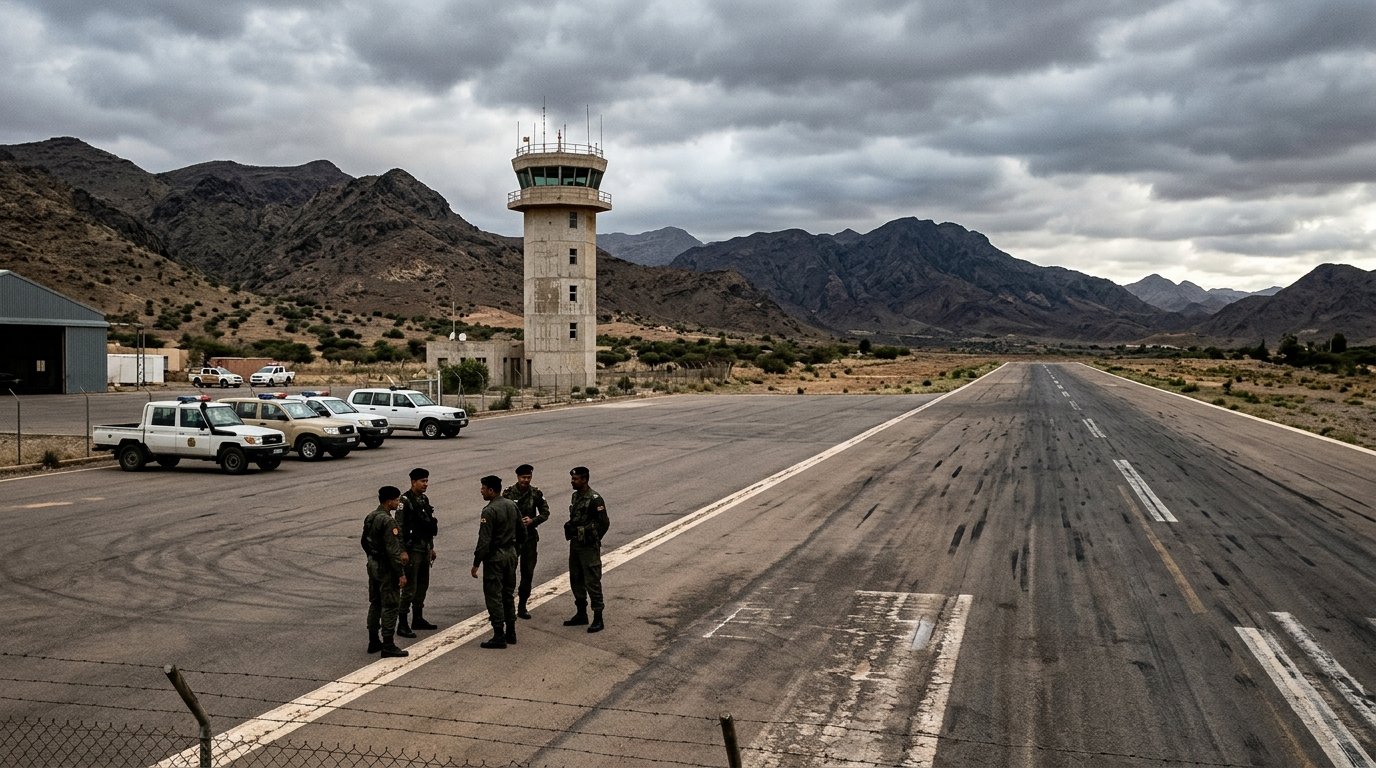
Regional authorities took immediate control of Tigray's airports as a direct defensive reaction to recent drone strikes. Controlling aviation infrastructure restricts external troop access, halts commercial flights, and secures local airspace against further air operations, effectively isolating the region from standard transport networks while tensions persist.
Airports represent critical infrastructure during armed flare-ups because they dictate logistics, civilian movement, and emergency access. Securing runways prevents hostile transport landings while giving local forces control over critical transit corridors. Humanitarian groups struggle to maintain essential transport when airfield control changes overnight, causing aid distribution delays and severing rapid travel routes.
- Review travel security: Check regional aviation advisories before scheduling transport or logistics operations near affected northern corridors.
How could this escalation impact broader regional stability?
Fresh military confrontations between Ethiopian forces and Tigray authorities threaten to spill across provincial borders and destabilize neighbouring communities. BBC News highlighted that mutual accusations renew fears of a wider war, which could displace local populations, disrupt supply chains, and exhaust diplomatic efforts.
Renewed fighting destroys fragile economic recovery and strains public services across affected zones. Bordering communities often face sudden movements of displaced families seeking shelter from aerial strikes and ground operations. Diplomatic mediators must now act swiftly to re-establish clear communication channels between central leadership and regional authorities.
- Track diplomatic alerts: Follow statements from international observer missions to gauge peace negotiation efforts and border security changes.
FAQ
What triggered the latest military escalation between Ethiopia and Tigray?
BBC News reported that mutual accusations of military offensives, coupled with recent drone strikes, triggered the latest escalation. Local authorities in Tigray responded to the reported strikes by seizing control of the region's airports, which heightened fears of a renewed armed conflict.
Why did local authorities take control of airports in Tigray?
Local authorities seized the airports to secure vital transport hubs following reports of drone strikes. Controlling the runways enables local commanders to manage airspace access, defend against aerial threats, and prevent unauthorized military landings during the ongoing standoff.
How does this confrontation affect civilian movement and regional security?
The standoff disrupts commercial aviation, restricts transport corridors, and creates widespread fear among local residents. When military tensions escalate and transit hubs close, civilian movement halts and humanitarian supply lines face critical delays across the wider region.
Regional stability now hinges on whether military commanders and political leaders choose dialogue over continued offensive operations. Halting aerial strikes and reopening transportation corridors remain critical first steps toward de-escalating tensions across northern Ethiopia. Stay informed with accurate, up-to-date global news coverage.
Sources
- Ethiopia and Tigray accuse each of launching offensives, fuelling fears of new war (BBC News): https://www.bbc.co.uk/news/articles/cry8zwwq21pxo?at_medium=RSS&at_campaign=rss