
Ethiopian defense forces have officially confirmed repelling armed assaults in their first public statement on recent clashes. Military officials confirmed that their troops inflicted casualties on opposing fighters, sparking urgent international concerns that widespread civil conflict could reignite.
Key Takeaways
- Ethiopia's armed forces repelled recent attacks in their first public update on fresh fighting.
- Military officials confirmed inflicting casualties on opposing forces during the clashes.
- Observers fear the renewed armed confrontations could trigger a full-scale civil war.
What Did Military Officials Confirm About the Clashes?
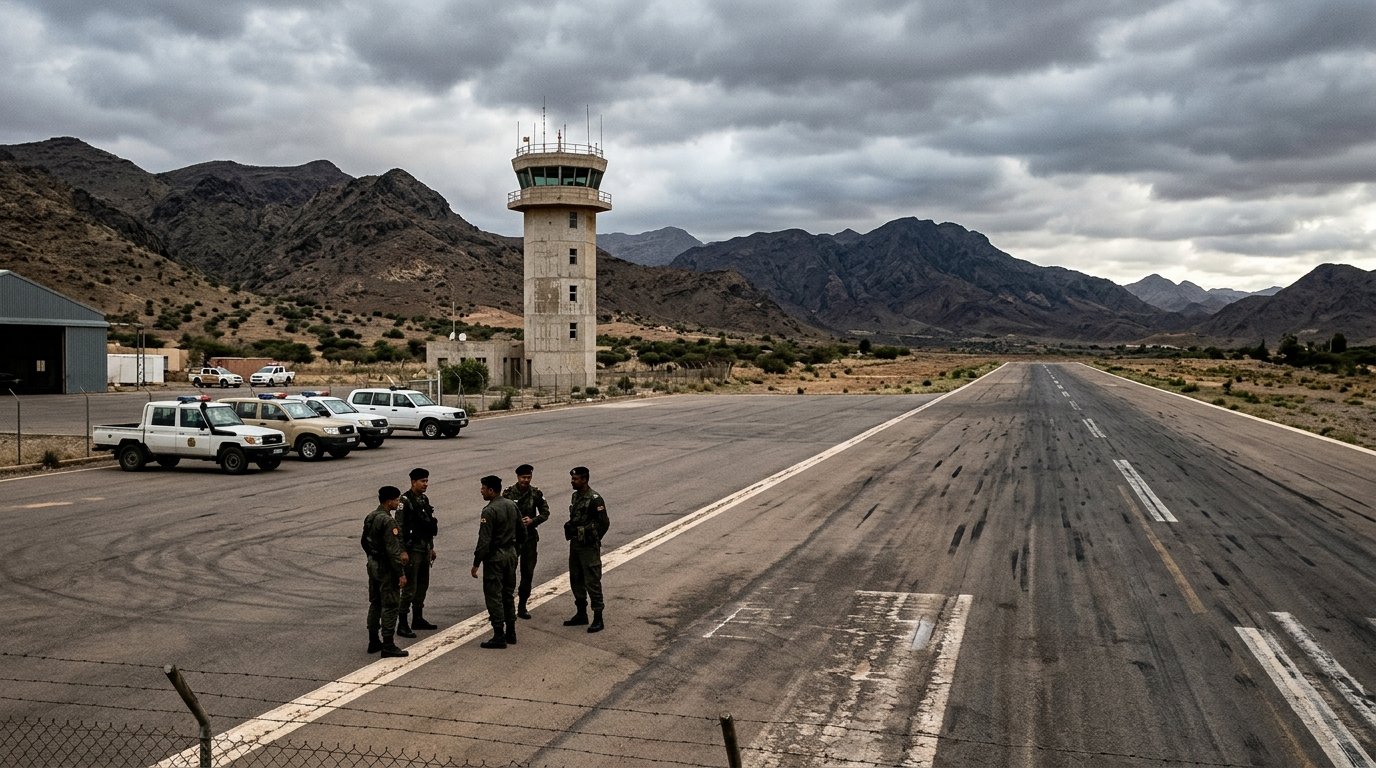
Ethiopian defense authorities confirmed that their frontline soldiers successfully repelled coordinated hostile attacks and inflicted casualties on opposing forces. This announcement represents the first official acknowledgment from military leadership concerning the outbreak of fresh armed confrontations across contested regional sectors.
The defense forces released these details following several days of silence regarding localized clashes. By acknowledging that combat units engaged enemy combatants directly, the military established that security operations remain active. Analysts monitoring the region track these verified army statements to evaluate frontline stability and overall operational readiness.
- Monitor official briefs: Review published statements from defense authorities to verify operational status across active combat zones.
Why Are Concerns Growing Over Renewed Civil Conflict?
Renewed fighting threatens fragile regional stability by reviving severe hostilities between armed factions and central government troops. When military confrontations resume, the risk of escalation expands rapidly beyond initial confrontation zones, raising fears among international observers that widespread civil war could destabilize the broader Horn of Africa.
Military engagements often disrupt critical supply corridors, displace local populations, and dismantle local ceasefires. When opposing factions clash directly with national defense forces, political dialogue stalls. Regional security specialists emphasize that uncontained clashes can swiftly pull multiple regional entities into protracted combat.
- Assess regional risks: Track verified security alerts and local corridor status before coordinating diplomatic or logistics travel.
How Will the Clashes Impact Regional Security and Stability?
Fresh hostilities threaten to disrupt economic activity, humanitarian relief distribution, and cross-border trade networks. As central forces commit personnel to repel attacks, logistical corridors face sudden closures, which limits movement for civilians and essential aid supplies across affected territories.
Instability inside one sector often creates security vacuums that armed groups exploit. In our experience, prolonged fighting strains public resources and diverts national defense assets away from border protection. Neighboring countries remain on alert as any broader conflict risks triggering humanitarian emergencies across international boundaries.
- Update contingency plans: Review supply line flexibility and emergency contact protocols to prepare for sudden border or transport disruptions.
FAQ
What did the Ethiopian military announce regarding the recent fighting?
Ethiopian army leadership issued its first public comments confirming that government troops repelled armed attacks. Defense officials reported that their soldiers inflicted casualties during the engagement, marking an official acknowledgment of renewed military operations in the region.
Why is the resumption of fighting causing major international concern?
Diplomats and international analysts worry that fresh clashes could spiral into a full-scale civil war. Sustained fighting risks destabilizing the Horn of Africa, displacing vulnerable communities, interrupting trade routes, and worsening existing regional humanitarian crises.
What should organizations operating in the region do now?
Organizations should monitor verified statements from defense authorities and update operational contingency plans immediately. Maintaining clear communication channels and evaluating transport routes helps safeguard personnel against unexpected security developments during volatile periods.
Diplomatic efforts will determine whether recent military engagements expand or recede into negotiated pauses. Maintaining careful observation of verified security reports remains essential as defense forces manage ongoing regional tensions.
Stay informed with accurate, up-to-date global news coverage.
Sources
- Ethiopia's army says it has repelled attacks in first comment on fresh fighting (BBC News): https://www.bbc.co.uk/news/articles/cqevwm09w4xmo?at_medium=RSS&at_campaign=rss