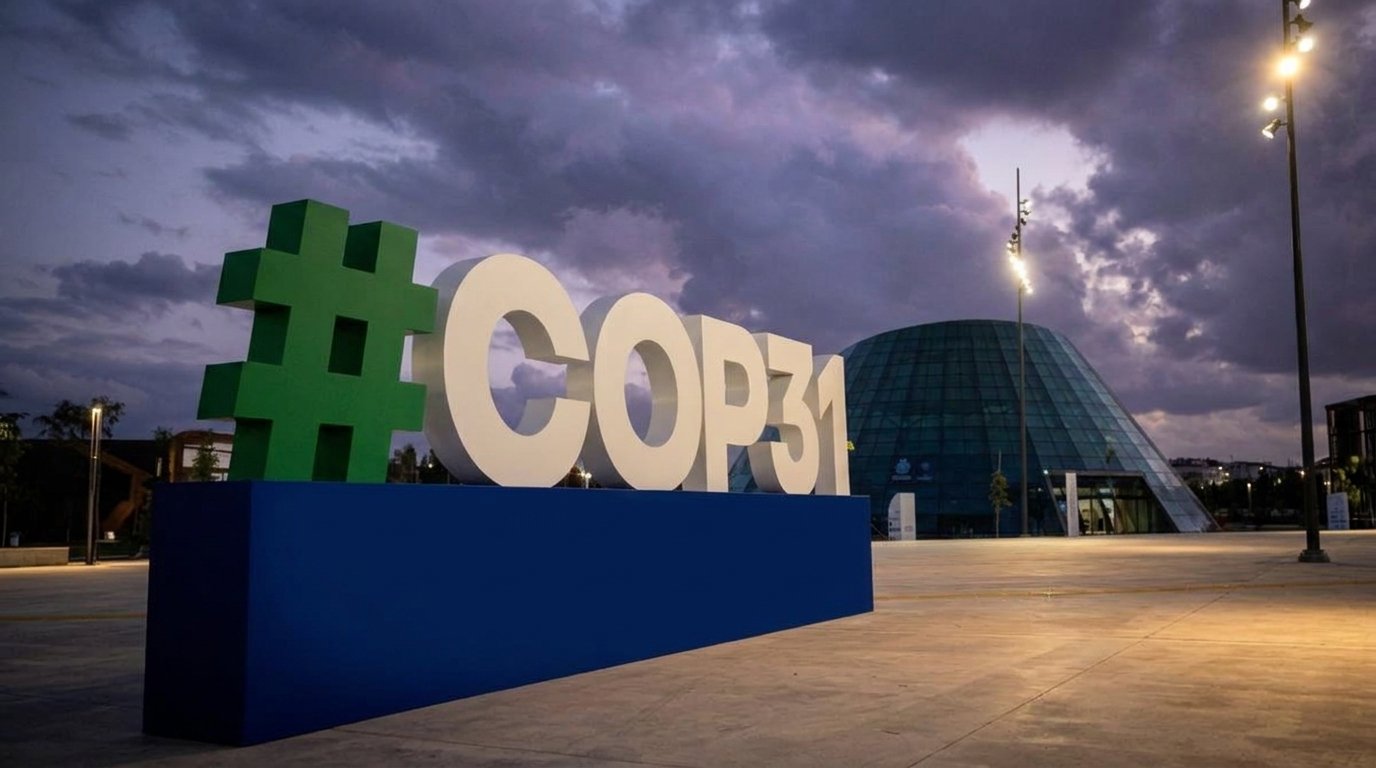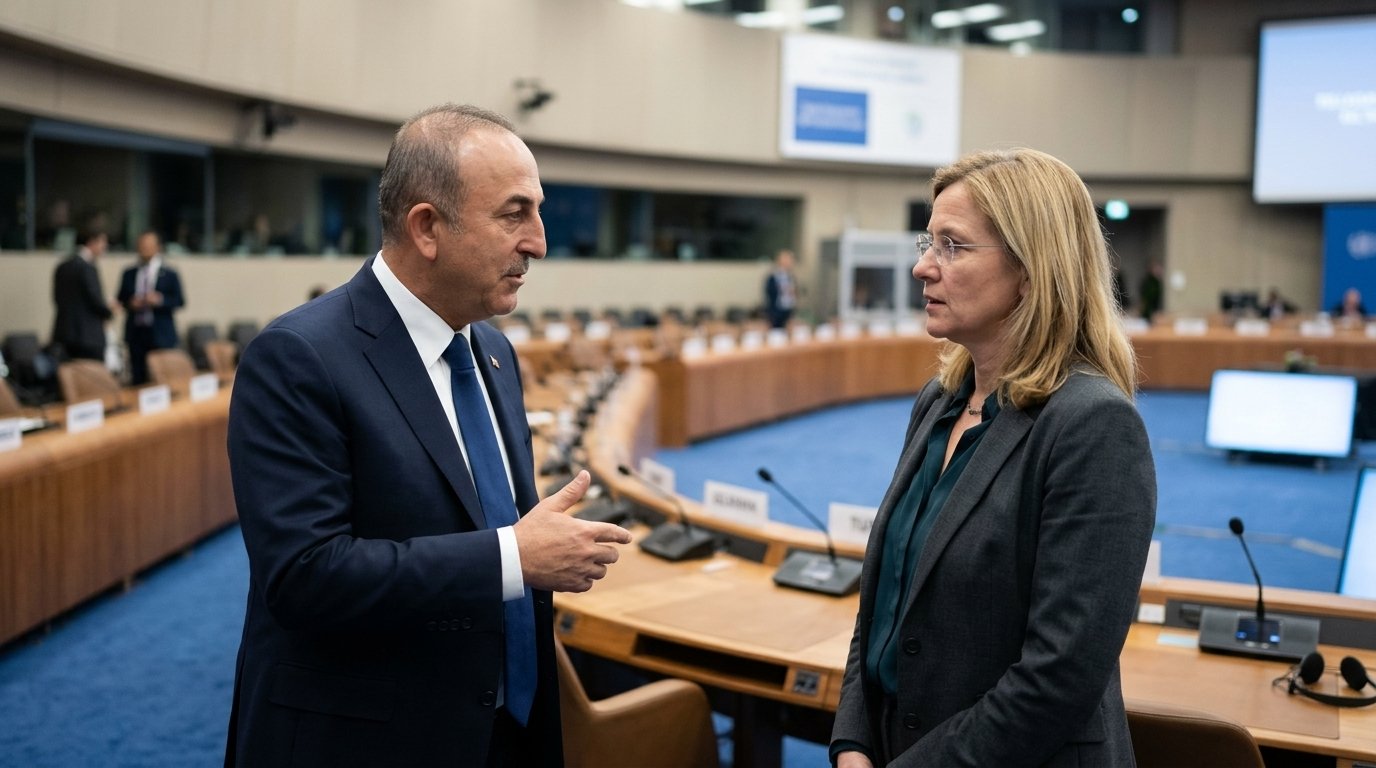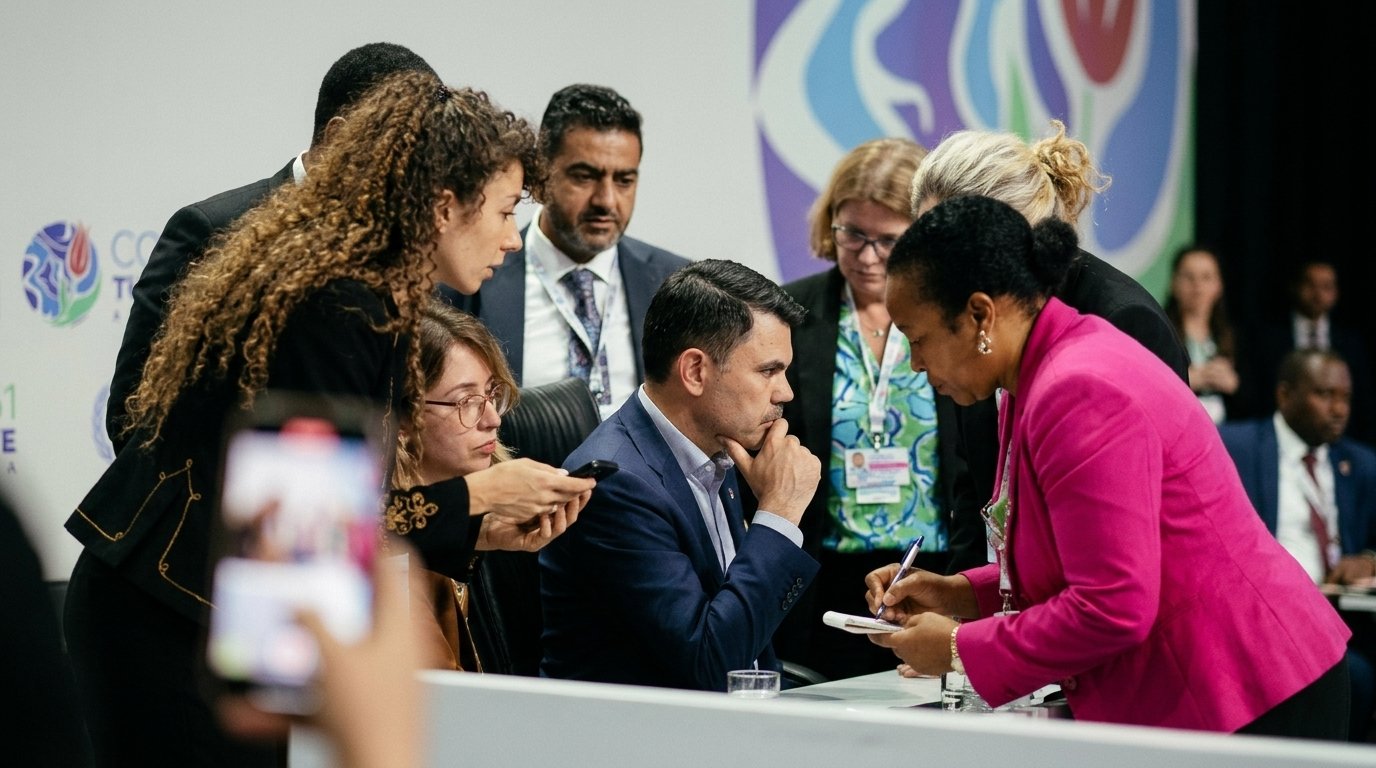

Diplomatic negotiations ended without a universal agreement on November 23, 2026, when international climate talks at COP31 broke down. According to reporting by The New York Times, central delegations failed to bridge systemic divides over national emissions and international financing responsibilities. This impasse redirects international momentum away from massive summits and toward regional pacts.
Key Takeaways
- Central diplomatic negotiations at COP31 collapsed without producing a binding global treaty.
- Municipal leaders and smaller regional coalitions now drive cross-border environmental policy.
- Expanding clean energy markets provide momentum independent of stalled international treaties.
- Future policy progress relies on bottom-up regional agreements rather than broad global consensus.
Why Did Global Consensus Unravel at the COP31 Negotiations?
The COP31 summit collapsed because multilateral diplomatic frameworks could not resolve competing sovereign priorities among participating states. As The New York Times reported on November 23, 2026, grand diplomatic efforts faltered under the weight of conflicting national agendas. Without unanimous agreement across every participant, the traditional top-down model of international climate negotiations stalled completely.
Large multilateral conferences require near-total consensus to enact binding global policy. When divergent economic priorities collide, you don't need more than a few dissenting delegations to freeze collective action. Sovereign interests often conflict directly with shared environmental goals, making universal deals exceedingly fragile.
- Track regional updates: Monitor policy announcements from municipal alliances rather than waiting for annual international summits to establish emissions rules.
How Are Local Coalitions Stepping In to Bridge the Gap?
Local leaders are stepping in by building targeted bilateral alliances that bypass gridlocked global summits. Reporting from The New York Times highlights that municipal governments and regional authorities are forming smaller pacts to enact immediate climate standards. These compacts bypass national bureaucracy by executing targeted policies tailored directly to local community needs.
Decentralized agreements succeed where sweeping summits fail because regional leaders share concrete operational goals. A city or province can mandate efficiency rules or transit overhauls without consulting hundreds of foreign delegations. Could decentralized pacts ultimately prove more durable than fragile global treaties?
- Review municipal initiatives: Examine your regional government environmental proposals to understand how local ordinances enforce emissions targets near you.
Can Expanding Clean Energy Overcome Diplomatic Inaction?
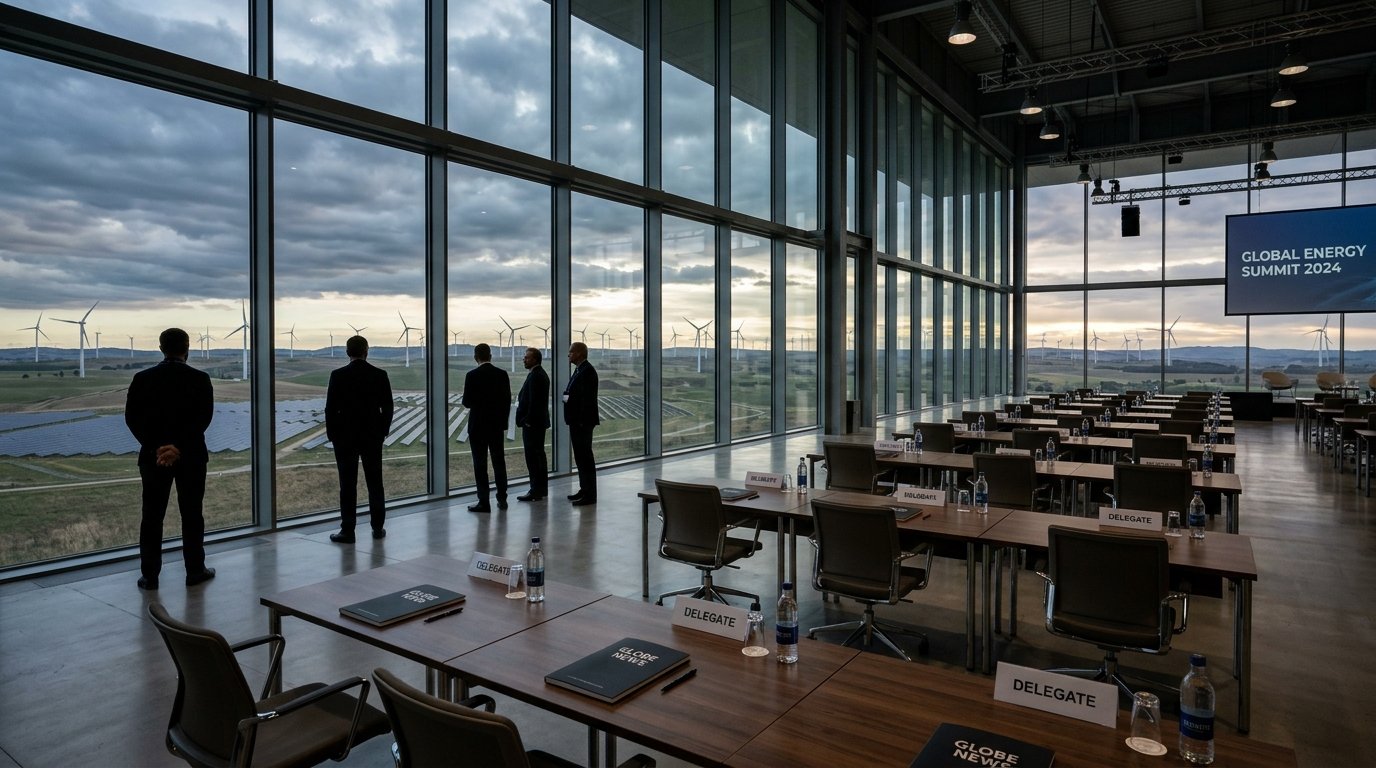
Expanding clean energy can sustain global progress because market adoption no longer depends strictly on treaty mandates. As The New York Times detailed following the COP31 breakdown, booming clean power sectors have gained sufficient independent industrial momentum. Private commercial adoption continues driving deployment forward even when political negotiations at major international conferences collapse.
Industrial demand and falling technology production costs create self-reinforcing adoption cycles. When renewable generation becomes cheaper than fossil fuel generation, private utilities invest based on cost efficiency rather than regulatory fear. In our experience, economic incentives push adoption faster than diplomatic communiques ever could, keeping technological deployment on track.
- Audit energy providers: Compare utility procurement options in your district to support power suppliers that rely on clean generation assets.
FAQ
What caused the breakdown of the COP31 climate talks?
Negotiations at COP31 collapsed because participants could not reach a unified consensus across national priorities. According to The New York Times on November 23, 2026, large diplomatic efforts faltered, leaving broad international treaties out of reach and prompting a shift toward smaller, local compacts.
How will climate action continue without a global treaty?
Climate action will advance through smaller regional pacts, municipal initiatives, and commercial clean energy markets. Instead of waiting for universal diplomatic treaties, subnational leaders and business sectors will implement practical emissions measures directly through regional legal frameworks and utility investments.
Does the summit collapse halt clean energy adoption?
The summit collapse does not stop clean energy expansion because renewable power now relies on market competitiveness rather than diplomatic mandates. As reported by The New York Times, clean power sectors continue booming, driven by private sector demand and technological efficiency gains.
While the failure to secure a breakthrough at COP31 marks an undeniable setback for multilateral diplomacy, global climate action is shifting rather than stopping. Regional leaders and private energy initiatives have taken the lead, offering a practical path forward through direct, targeted implementation.
Stay informed with accurate, up-to-date global news coverage.
Sources
- COP31 Climate Talks Broke Down. Now What? (NYT > World News): https://www.nytimes.com/2026/11/23/climate/cop31-collapse-what-next.html