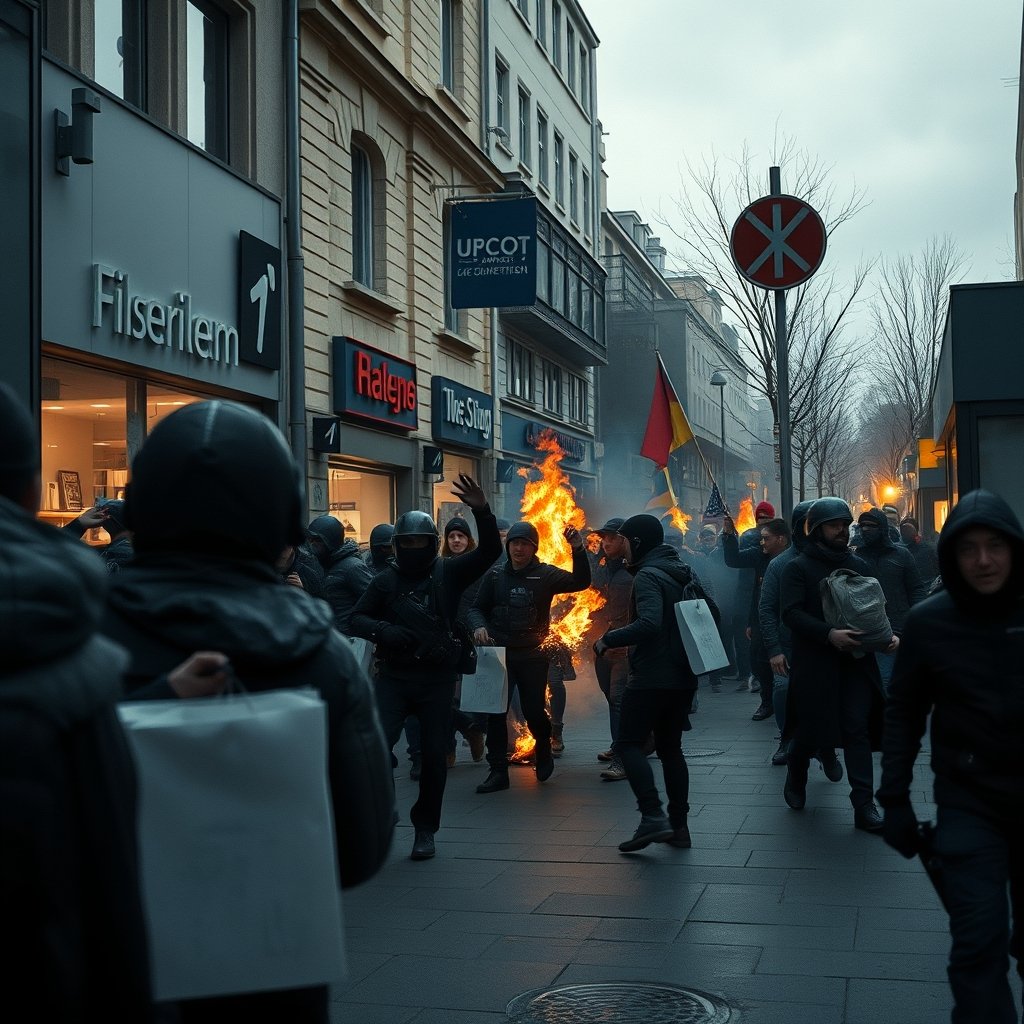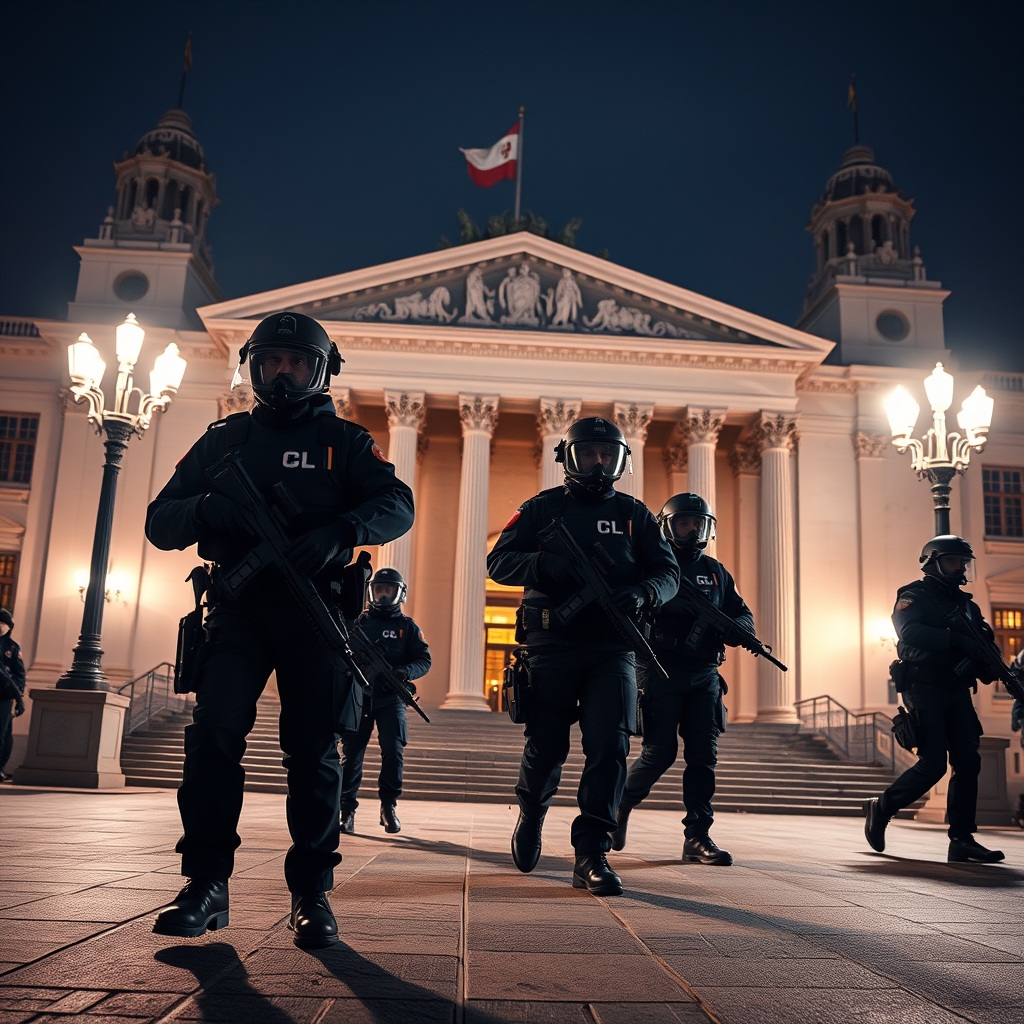
Polish authorities sent riot police into a tense confrontation around the nation's top court following a dramatic judicial suspension. The New York Times reported on October 31, 2026, that judges backed by the current government moved to suspend the chief justice. This sudden confrontation brings years of escalating legal disputes directly into public view.
Key Takeaways
- Government-aligned judges suspended the chief justice of Poland's top court.
- Riot police deployed to secure the building amid an escalating standoff.
- The confrontation reflects years of bitter friction with the previous ruling right-wing party.
- Competing legal claims threaten institutional stability across the judicial branch.
What Triggered the Police Deployment at Poland's Top Court?
Riot police moved into position after judges aligned with Poland's current government suspended the sitting chief justice, turning an administrative battle into a physical standoff. The intervention followed years of unresolved legal disputes over authority, prompting security forces to establish a perimeter around the supreme judicial body as political tensions reached a boiling point.
According to reporting from The New York Times on October 31, 2026, the confrontation surfaced from long-standing struggles to control the highest judicial benches. When judges supported by the sitting administration suspended the chief justice, law enforcement stepped in to manage the volatile standoff outside the court building.
- Monitor court rulings: Track official announcements from the Polish judiciary to confirm who exercises operational control over daily court dockets.
Why Has the Legal Feud Between Rival Factions Escalated?
The dispute intensified because the current administration and the right-wing party that previously held power remain locked in a multi-year fight over judicial legitimacy. When the incumbent government supported the chief justice's suspension, it reopened deep institutional fissures created by past legal reforms, sparking an immediate confrontation between opposing political factions.
Years of legal wrangling created conflicting claims to authority across the court system. One faction backs the suspension initiated by government-aligned judges, while allies of the former ruling party reject the measure. This disagreement paralyzed regular proceedings and created an urgent institutional impasse that security forces had to contain.
- Assess institutional stability: Review institutional legal statements to verify whether rival judicial factions recognize pending appellate and constitutional decisions.
What Lies Ahead for Poland's Judicial Stability?
Institutional stability now depends on whether the suspended chief justice vacates office or mounts a challenge with backing from the right-wing opposition. The confrontation creates immediate administrative uncertainty for pending cases, requiring domestic legal authorities and state ministries to determine how the top court will function during an unresolved leadership crisis.
Prolonged standoffs between competing judicial factions can disrupt constitutional oversight and legal finality for months. In our experience, when law enforcement surrounds a nation's highest tribunal, institutional credibility suffers until both parliamentary leaders and judicial panels agree on a clear procedure for judicial governance.
- Verify jurisdictional updates: Check corporate and regional legal filings for delays caused by disrupted hearings at the country's top court.
FAQ
Who suspended Poland's chief justice?
Judges backed by the current Polish government suspended the chief justice after years of persistent legal conflicts, as The New York Times reported on October 31, 2026. The move represents an aggressive effort by government-aligned jurists to challenge established court leadership and reassert institutional control over the judiciary.
Why were riot police deployed at the top court?
Riot police deployed to prevent physical disruptions and maintain order outside the court complex during an escalating standoff. The presence of armed police highlights how deeply the dispute between government-supported judges and the former ruling party has destabilized regular operations inside the nation's supreme judicial venue.
What role does the previous ruling party play in this dispute?
The right-wing party that last held power is directly entangled in the confrontation, having spent years reshaping judicial bodies while in office. Current government-backed judges targeted that legal legacy by suspending the chief justice, reigniting bitter political warfare between the two rival factions over constitutional authority.
The standoff at Poland's top court signals a critical juncture for European legal norms as rival political factions contest the legitimacy of high-level judicial appointments. Watching how state institutions resolve this confrontation will reveal whether domestic courts can restore administrative order without sustained police presence.
Stay informed with accurate, up-to-date global news coverage.
Sources
- Poland Deploys Riot Police in Standoff Over Country’s Top Court (NYT > World News): https://www.nytimes.com/2026/10/31/world/europe/poland-court-police-president.html