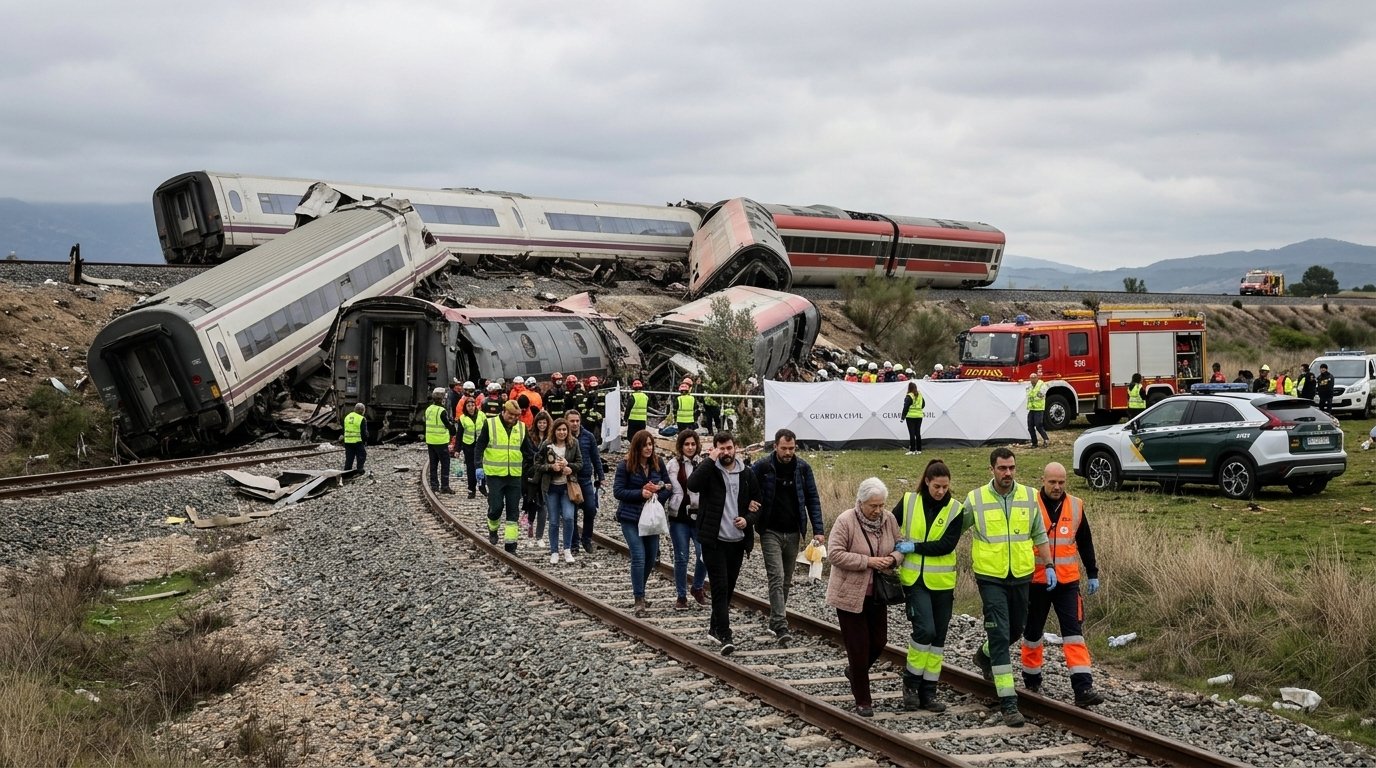
Crash investigators in Spain are examining the actions of train traffic controllers following the nation's second major rail disaster within a single year. The New York Times reported on October 29, 2026, that the inquiry directly challenges public confidence in the domestic network operated by Renfe.
Key Takeaways
- Investigators are probing traffic controllers after Spain experienced its second major rail disaster in a year.
- Public scrutiny now surrounds Renfe as travelers question the reliability of the national transit network.
- Rail safety depends on human traffic monitoring alongside automated signaling protocols.
Why Are Traffic Controllers Under Scrutiny?
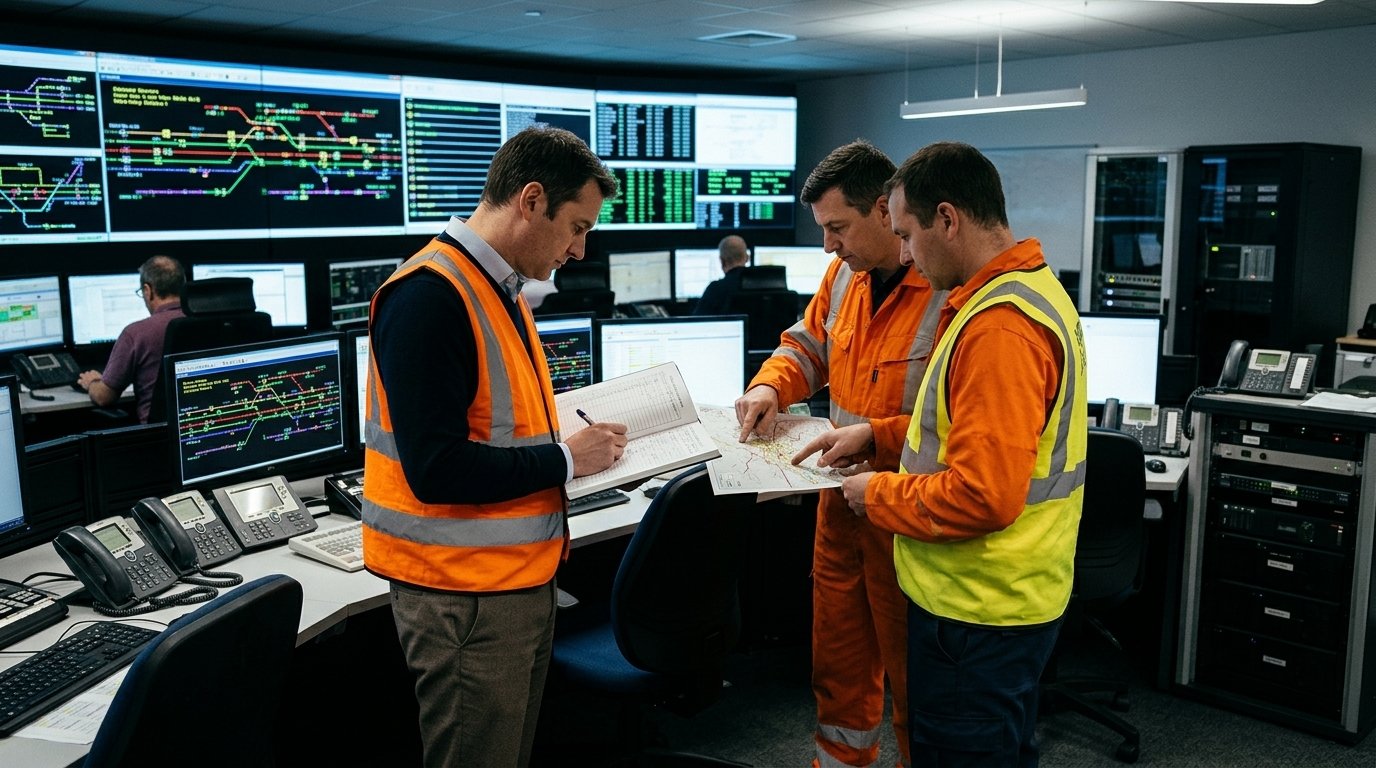
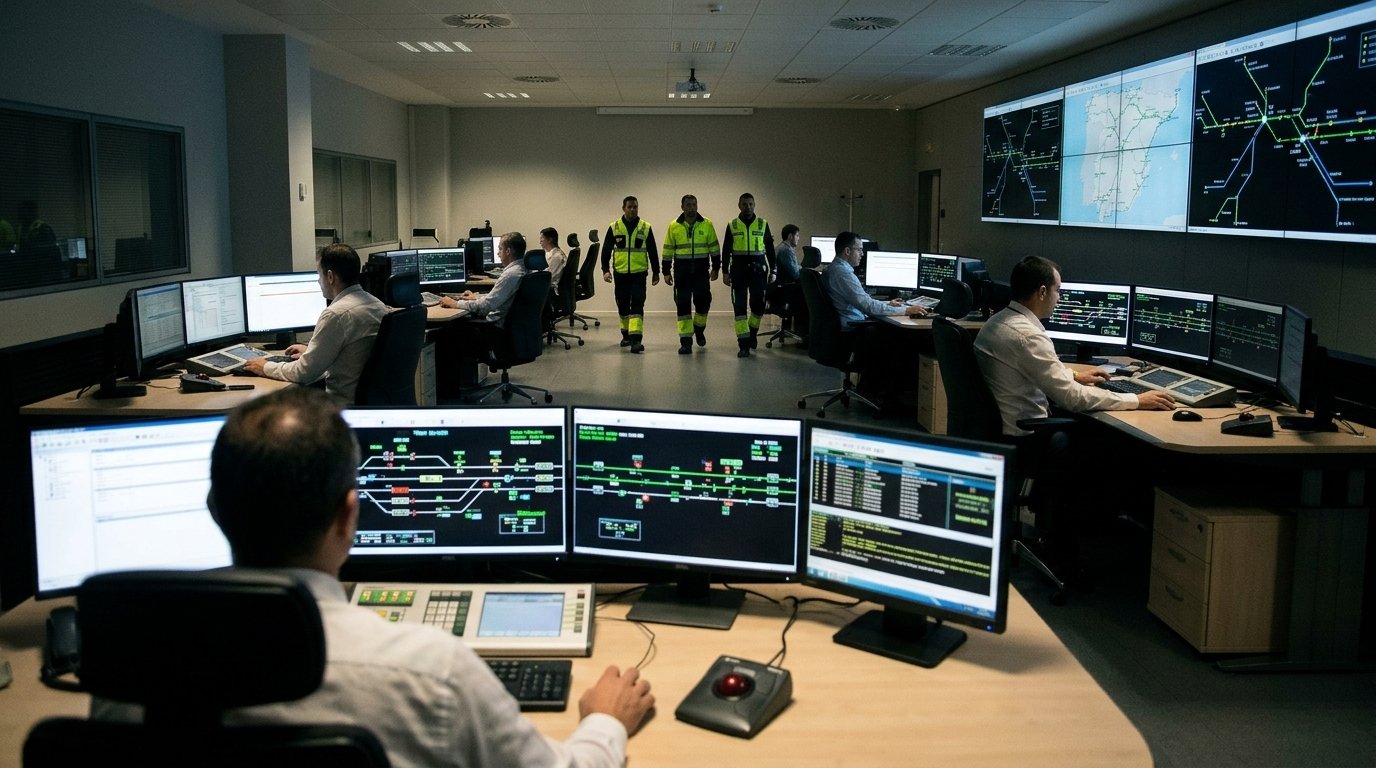
Investigators focus on train traffic controllers because dispatchers manage track clearances, routing decisions, and emergency braking orders across the network. When automated indicators conflict or unexpected track hazards emerge, human controllers must issue decisive routing directions, making their real-time judgment the decisive barrier against catastrophic train collisions.
The New York Times highlighted that this inquiry follows the country's second major rail disaster in one year. When multiple severe incidents occur within twelve months, technical regulators stop viewing accidents as isolated occurrences. They examine whether operational protocols, workload pressure, or shift handoffs created systemic vulnerabilities across the control rooms.
- Track clearance review: Verify whether internal railway dispatch logs record secondary supervisory sign-offs during manual routing changes.
How Do Dispatch Procedures Impact Track Safety?
Dispatch procedures govern track safety by establishing strict voice confirmation protocols between control hubs and train operators before switches change. Controllers hold the ultimate authority to hold trains, clear track sectors, and verify track availability, meaning a single verbal slip or missed alert can place two locomotives on converging paths.
In our experience, safety breakdowns rarely stem from total equipment blackout; they happen when personnel bypass standardized verbal confirmations during routine traffic movements. Have safety standards slipped as schedules tightened across regional lines? When controllers juggle multiple active track sectors without mandatory verification steps, error margins vanish completely.
- Controller workload audits: Monitor dispatch shift staffing ratios to prevent operational fatigue from eroding rail communication protocols.
What Steps Can Restore Rail Network Integrity?
Restoring rail network integrity requires establishing mandatory dual-controller approvals for non-standard track movements and modernizing data recording systems. Regulators must audit every operational exchange between dispatch centers and locomotives, ensuring clear accountability while retraining controllers to enforce strict stopping protocols during unexpected operational anomalies.
Spanish passengers are now confronting serious doubts about their once-vaunted rail transit system. Public trust erodes quickly when basic safety promises fail twice in twelve months. Transit authorities must publish transparent technical findings, update controller training routines, and prove that communication safeguards function reliably before commuters return with complete confidence.
- Safety culture reform: Demand independent oversight reports on rail dispatch systems to guarantee transparent corrective actions.
FAQ
What caused the investigation into Spanish rail controllers?
Investigators launched the inquiry after Spain suffered its second major rail disaster in one year, as reported by The New York Times. Inquiries shifted focus toward traffic controllers to determine whether operational mistakes, communication gaps, or dispatch errors permitted dangerous track conflicts to develop.
Why is Spain's rail system under intense public scrutiny?
Spain previously enjoyed an international reputation for operating an efficient, modern rail network. Experiencing two catastrophic rail disasters in twelve months shattered that reputation, prompting citizens and passenger advocates to demand independent reviews of dispatch procedures, traffic management standards, and operational oversight across Renfe routes.
How can traffic control rooms prevent major train collisions?
Control centers prevent collisions by enforcing strict dual-operator authorization for track diversions, keeping automated warning systems active, and maintaining recorded radio protocols. When controllers follow disciplined verification cycles before authorizing movements, they catch route errors before trains enter conflicting track sectors.
Rebuilding faith in national passenger transit demands complete transparency from investigators and sweeping reforms across traffic control centers. Without rigorous communication safeguards and verified dispatch discipline, rail networks cannot guarantee the safety travelers deserve.
Stay informed with accurate, up-to-date global news coverage.
Sources
- Spain Crash Investigators Focus on Train Traffic Controllers’ Role (NYT > World News): https://www.nytimes.com/2026/10/29/world/europe/spain-train-crash-renfe.html